
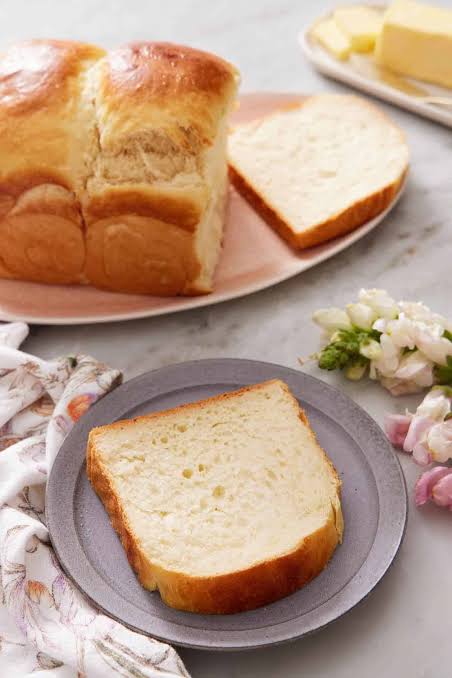

If you bake at home, you have likely run into a frustrating problem: your homemade bread is wonderfully soft when it comes out of the oven, but it becomes dry, crumbly, and stale within just 24 hours. Without the commercial preservatives used in store-bought loaves, home-baked bread loses its moisture fast.
The solution to this problem is the tangzhong method. This simple, scientific technique is the secret behind the incredibly pillowy texture of Japanese milk bread. By applying the tangzhong method, soft bread shelf life science works in your favor, allowing you to bake loaves that stay fresh and springy for days.
What is the Tangzhong Method?
Tangzhong is an Asian yeast bread technique that transforms the texture of your dough. It is essentially a water roux bread technique.
To make a tangzhong, you take a small portion of the flour and liquid (usually water or milk) from your recipe and cook them together in a pan until they form a thick, pudding-like gel. Once cooled, this paste is added directly into your main bread dough.
While it sounds like a culinary trick, it is actually pure chemistry. Cooking the flour and water forces the starches to absorb massive amounts of liquid—a process known as starch gelatinisation.
The Science Behind It
To understand why this technique works so well, we need to look at starch gelatinisation baking science.
Flour contains starch granules. When you mix raw flour and cold water, those granules absorb only a little bit of moisture. However, when you heat flour and water to about 65°C (149°F), the starch granules swell and burst, absorbing up to twice as much liquid as they normally could. They create a stable gel that locks the water into place.
Because this moisture is physically trapped inside the gelatinised starches, it cannot evaporate easily during the baking process or after the bread cools.
This directly combats bread staling. Staling is not just bread drying out; it is a chemical process where starches slowly recrystallise and push water out—a process called retrogradation. By locking extra moisture into the dough upfront, tangzhong acts as natural bread staling retrogradation prevention. The result? A remarkably softer crumb that stays moist for much longer.
Tangzhong vs Normal Bread
When you master the tangzhong method, soft bread shelf life science becomes highly predictable. Here is how a tangzhong loaf compares to a standard homemade loaf baked without it.
| Feature | Tangzhong Bread | Normal Homemade Bread |
| Softness after 24 hours | Extremely soft and springy | Noticeably firmer |
| Softness after 48 hours | Still pillowy, easily bends | Dry, crumbly, needs toasting |
| Softness after 72 hours | Soft enough for sandwiches | Stale, best for croutons |
| Moisture retention | Very high | Low (rapid moisture loss) |
| Shelf life | 3 to 5 days at room temperature | 1 to 2 days maximum |
Tangzhong Ratio Guide
To convert any standard bread recipe into a tangzhong recipe, you need a scalable formula.
The universal ratio for tangzhong is:
1 part flour to 5 parts water (or milk) by weight.
Typically, you use 5% to 10% of the total flour in your recipe to make the roux. Using 10% is standard for maximum softness. You subtract this flour and water from your recipe’s total ingredients, cook them into the tangzhong, and add the remaining ingredients to the mixing bowl later.
Here is a quick guide calculating a 10% flour tangzhong using the 1:5 ratio:
| Total Flour in Recipe | Flour for Tangzhong | Water (or Milk) for Tangzhong | Final Effect |
| 250g flour | 25g | 125g | Ideal for small, ultra-soft buns |
| 500g flour | 50g | 250g | Perfect for a standard sandwich loaf |
| 1000g flour | 100g | 500g | Best for bulk baking with maximum moisture retention |
How to Use in Any Bread Recipe
Adapting your own recipes is straightforward. Follow these simple steps:
Calculate and separate: Determine your tangzhong amounts using the table above. Subtract those amounts from your recipe’s total flour and liquid.
Cook the roux: Whisk the tangzhong flour and liquid together in a small saucepan. Heat over medium-low, stirring constantly, until lines appear in the mixture and it forms a thick paste (about 65°C / 149°F).
Cool completely: Transfer the paste to a small bowl. Cover it with plastic wrap touching the surface to prevent a skin from forming. Let it cool to room temperature. Never add hot tangzhong to yeast, or you will kill the yeast.
Mix the dough: Add the cooled tangzhong to your mixing bowl along with your wet ingredients, followed by the remaining dry ingredients and yeast. Knead and bake as your recipe directs.
Tangzhong vs Yudane
You may also hear about yudane, especially when researching Japanese milk bread tangzhong recipes. While both achieve a softer crumb, there is a clear yudane vs tangzhong difference.
Method: Tangzhong cooks the flour and liquid together on a stove. Yudane simply pours boiling water over the flour and mixes it, requiring it to sit overnight.
Hydration: Tangzhong uses a 1:5 flour-to-liquid ratio. Yudane uses a 1:1 flour-to-liquid ratio, making it a much stiffer dough paste.
Texture: Tangzhong produces a lighter, fluffier, and shreddable bread. Yudane produces a slightly chewier, denser crumb that is popular in artisan Japanese baking.
Final Result Benefits
By relying on the tangzhong method, soft bread shelf life science takes your home baking to a professional level. Incorporating this quick, 5-minute step yields significant benefits:
Longer softness: Your bread remains tender and springy for up to 3 to 4 days without turning into a brick.
Better texture: The dough rises higher in the oven and pulls apart in feathery, cotton-like shreds.
Improved shelf life without preservatives: You achieve commercial-level freshness completely naturally, relying on starch chemistry rather than artificial additives.