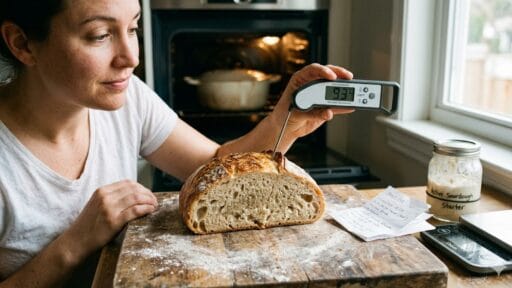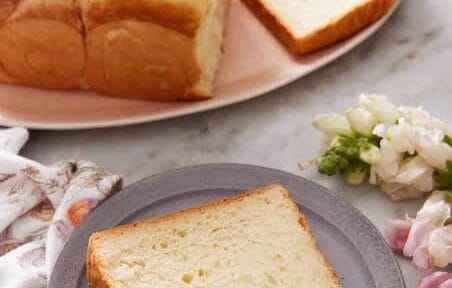



If you’ve ever baked bread, cakes, or even cookies, you’ve already worked with gluten — whether you realized it or not. Gluten is one of those invisible heroes (and sometimes villains) in the world of baking. It shapes your dough, gives structure to your bread, and makes that beautiful stretch when you tear a warm roll in half. But what exactly is gluten, and why does it matter so much? Let’s take a simple, no-science-jargon journey into understanding it.
What gluten really is (and where it comes from)
Gluten is a protein found in wheat and some other grains like barley and rye. When you mix flour with water, two proteins inside the flour — gliadin and glutenin — combine to form gluten. Gliadin gives dough elasticity (that stretchy feel), and glutenin provides strength (that chewy bite). Together, they create the structure that traps air bubbles, helping bread rise and hold its shape.
Here’s a quick look at how it forms:
| Step | Action | Result |
|---|---|---|
| 1 | Mix flour and water | Proteins hydrate |
| 2 | Knead the dough | Gluten network develops |
| 3 | Let dough rest | Gluten relaxes and strengthens |
| 4 | Bake | Gluten traps gas → structure forms |
So, every time you knead dough, you’re actually building a network that keeps your bread fluffy and your cakes tender.
Why gluten is important in baking 🍰
Think of gluten as the scaffolding of your baked goods. Without it, bread would crumble apart and cakes would collapse. Its role varies depending on what you’re baking:
In bread: Gluten forms a strong network that traps gases produced by yeast. This makes bread rise and gives it that chewy texture.
In cakes and pastries: You need less gluten. That’s why cake flour (which has less protein) is used — it makes baked goods soft and fluffy.
In cookies: A balance of gluten makes cookies either chewy or crispy. Too much gluten, and they get tough; too little, and they fall apart.
So, gluten’s not good or bad — it’s all about control. The more you mix and knead, the more gluten forms. That’s why overmixing cake batter can make it dense.
How gluten affects texture and flavor
Gluten doesn’t just hold things together — it changes how your food feels when you eat it. Breads with a strong gluten network are elastic and chewy, like bagels or pizza crust. Meanwhile, low-gluten treats like muffins and cakes are tender and soft.
Here’s a comparison:
| Type of Bake | Gluten Level | Texture |
|---|---|---|
| Bagel | High | Dense and chewy |
| Bread loaf | Moderate-high | Soft yet structured |
| Muffin | Moderate | Light and moist |
| Cake | Low | Tender and fluffy |
When gluten develops properly, it also helps the crust brown beautifully and enhances the overall aroma.
Flour types and their gluten content
Different flours have different amounts of gluten-forming proteins. Choosing the right one can change your baking results completely.
| Flour Type | Protein Content | Best For |
|---|---|---|
| Bread Flour | 12–14% | Yeast breads, pizza dough |
| All-Purpose Flour | 10–12% | Everyday baking |
| Pastry Flour | 8–9% | Pies, soft cookies |
| Cake Flour | 6–8% | Cakes, tender pastries |
If you ever wonder why your cake feels heavy, check if you used all-purpose flour instead of cake flour — it makes a big difference!
The science of kneading and resting dough 🥖
When you knead dough, you’re not just mixing ingredients — you’re developing gluten strands. Think of it as weaving tiny elastic threads that stretch and trap air.
But there’s another secret: resting the dough. Letting it sit (also called autolyse in baking terms) gives gluten time to relax and strengthen naturally. The dough becomes smoother, easier to shape, and bakes more evenly.
Too much kneading, though, can make dough tough. So, balance is key — especially in delicate recipes like muffins or pancakes.
Gluten and fermentation: a perfect partnership
When yeast ferments, it releases carbon dioxide. Gluten traps these bubbles, creating airy bread with beautiful holes inside. That’s why sourdough and artisan breads have that open, spongy texture — the gluten holds every bit of gas like a balloon net.
Without gluten, gas would escape, and your bread would turn into a flat pancake.
Can you bake without gluten? (Yes, but it’s tricky)
For people with gluten intolerance or celiac disease, traditional baking isn’t safe. But that doesn’t mean baking joy has to end. Gluten-free flours like rice, almond, or oat flour can be used, but they behave differently.
To replace gluten’s elasticity, bakers often add ingredients like xanthan gum, guar gum, or psyllium husk. These mimic gluten’s structure, helping dough trap air and stay stable.
| Gluten Substitute | Function |
|---|---|
| Xanthan Gum | Adds elasticity |
| Guar Gum | Improves texture |
| Psyllium Husk | Helps retain moisture |
Still, gluten-free baking takes practice. You’ll notice differences in texture, flavor, and rise — but with patience, it’s absolutely possible.
Why some people avoid gluten 🚫
In recent years, “gluten-free” has become a trend — but not everyone needs to cut it out. Only those with celiac disease, gluten sensitivity, or wheat allergies should strictly avoid it.
For others, gluten itself isn’t harmful. In fact, whole-grain products that contain gluten also bring fiber, vitamins, and minerals. Cutting it unnecessarily can actually limit your nutrition.
Tips to control gluten in your baking
If you understand gluten, you can control it. Here are some practical tips:
✅ Don’t overmix batters for cakes, muffins, and pancakes. Gentle mixing keeps them soft.
✅ Knead well for breads, but stop once the dough feels smooth and elastic.
✅ Use the right flour — cake flour for soft bakes, bread flour for structure.
✅ Add fats or sugars to weaken gluten when you want tenderness (butter, milk, or eggs help).
✅ Rest dough to let gluten relax and improve handling.
These little adjustments can transform your baking results instantly.
Common myths about gluten — busted! 🔍
Gluten is bad for everyone.
→ False! Only people with medical issues need to avoid it.Gluten-free means healthier.
→ Not necessarily. Some gluten-free products have more sugar and fat to improve texture.All flours have gluten.
→ Nope. Flours like rice, almond, corn, and coconut are naturally gluten-free.Gluten makes bread rise.
→ Gluten traps gases from yeast; it doesn’t produce them. Yeast does that part.
A quick look: gluten at work in different bakes
| Bake Type | Role of Gluten | Desired Texture |
|---|---|---|
| Bread | Builds strong structure | Chewy, elastic |
| Cake | Minimal gluten | Soft, airy |
| Pizza | Strong, stretchy gluten | Crispy yet flexible |
| Cookies | Controlled gluten | Tender or crisp depending on mix |
The secret balance of gluten
The real beauty of gluten lies in balance. Too little, and your bread collapses. Too much, and your cake turns rubbery. A good baker learns to “feel” gluten — that moment when dough bounces back slightly or batter feels just right.
It’s one of those things experience teaches you. Once you get it, you’ll start baking like magic.
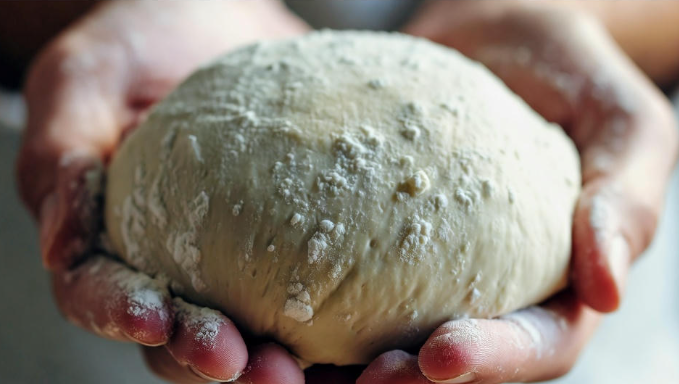
A little experiment you can try at home 🧪
Here’s a fun way to see gluten in action:
Take a handful of wheat flour and mix it with water into a dough.
Rinse it gently under water in a bowl.
Watch the white starch wash away — what’s left behind is stretchy gluten!
It’s a great visual of how important this protein really is.
Gluten and the art of flavor
Interestingly, gluten also plays a role in how flavors develop during baking. When dough ferments, enzymes break down some of the proteins and sugars, creating deeper, nutty flavors. The Maillard reaction (that browning on your crust) also depends partly on gluten presence. That’s why gluten-free bread often lacks that traditional “baked” aroma.
FAQs about Gluten in Baking ❓
Q1: Can gluten form without kneading?
Yes! Gluten starts forming as soon as flour touches water. But kneading strengthens and aligns it, which is why it’s important for bread-making.
Q2: Is gluten bad for digestion?
Not for most people. Only those with gluten intolerance or celiac disease need to avoid it.
Q3: Can I make soft bread with less gluten?
You can balance it by adding fats (like butter or milk) or reducing kneading time. But some gluten is always needed for bread structure.
Q4: Why does my cake turn dense?
Most likely, you overmixed the batter. This develops too much gluten, making cakes tough instead of soft.
Q5: Which flour is best for beginners?
All-purpose flour is perfect — it has moderate gluten, works for most recipes, and is forgiving for new bakers.
🧁 Accuracy matters! Learn How to Measure Baking Ingredients Accurately to improve every recipe.
Final Thoughts 🌾
Gluten isn’t your enemy — it’s your baking partner. It’s the invisible thread holding your breads, pastries, and cakes together. Understanding how it works helps you bake smarter, not harder. Whether you want a soft sponge cake or a crusty loaf, controlling gluten is the secret ingredient.
Next time you bake, take a moment to appreciate the stretch, the rise, and that warm aroma filling your kitchen. That’s gluten — quietly working its magic behind every perfect bite.