

Olive Oil May Reduce Breast Cancer Risk: What the Research Suggests
Olive oil has long been a staple of healthy diets, especially in Mediterranean regions. Now, growing research suggests it may offer another important benefit: a potential role in reducing breast cancer risk.
While no single food can prevent cancer, olive oil contains powerful compounds that may support overall health and help lower risk when combined with a balanced lifestyle.
In this article, we’ll explore how olive oil may influence breast cancer risk, what the science says, and how to include it in your daily routine.
Why Olive Oil Is Considered Heart- and Health-Friendly
Olive oil particularly extra virgin olive oil (EVOO) is rich in:
- Monounsaturated fats (healthy fats that support heart health)
- Antioxidants (such as polyphenols)
- Anti-inflammatory compounds
These properties are believed to play a role in protecting cells from damage, which is a key factor in cancer development.
What Research Says About Olive Oil and Breast Cancer
Several studies have examined the relationship between olive oil consumption and breast cancer risk, especially within the context of the Mediterranean diet.
Key Findings:
- Diets rich in olive oil are associated with lower rates of certain cancers, including breast cancer
- The antioxidants in olive oil may help reduce oxidative stress, which can damage cells
- Anti-inflammatory effects may contribute to a healthier cellular environment
👉 While these findings are promising, researchers emphasize that olive oil is most effective as part of an overall healthy diet—not as a standalone solution.
Also read: Metastatic Breast Cancer: Symptoms, Treatment Options, and Life Expectancy
How Olive Oil May Help Protect Cells
1. Reduces Oxidative Stress
Free radicals can damage DNA and contribute to cancer development. Olive oil’s antioxidants help neutralize these harmful molecules.
2. Supports Anti-Inflammatory Processes
Chronic inflammation is linked to many diseases, including cancer. Olive oil contains compounds that may help reduce inflammation in the body.
3. Promotes Healthy Cell Function
Healthy fats in olive oil support cell membranes and may improve how cells communicate and function.
Extra Virgin vs. Regular Olive Oil: Does It Matter?
Yes—it does.
Extra virgin olive oil (EVOO) is less processed and retains more beneficial compounds.
Why Choose EVOO:
- Higher antioxidant content
- More natural nutrients
- Better overall health benefits
👉 For maximum potential benefits, opt for high-quality extra virgin olive oil.
How to Add Olive Oil to Your Diet
Incorporating olive oil into your meals is simple and versatile.
Easy Ways to Use It:
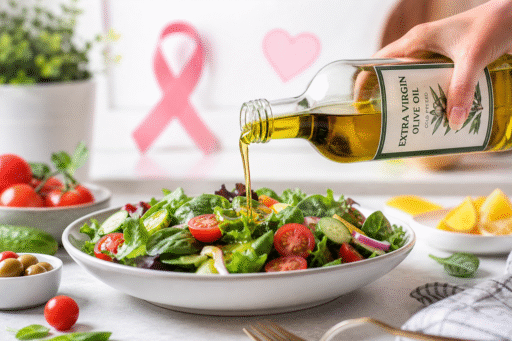
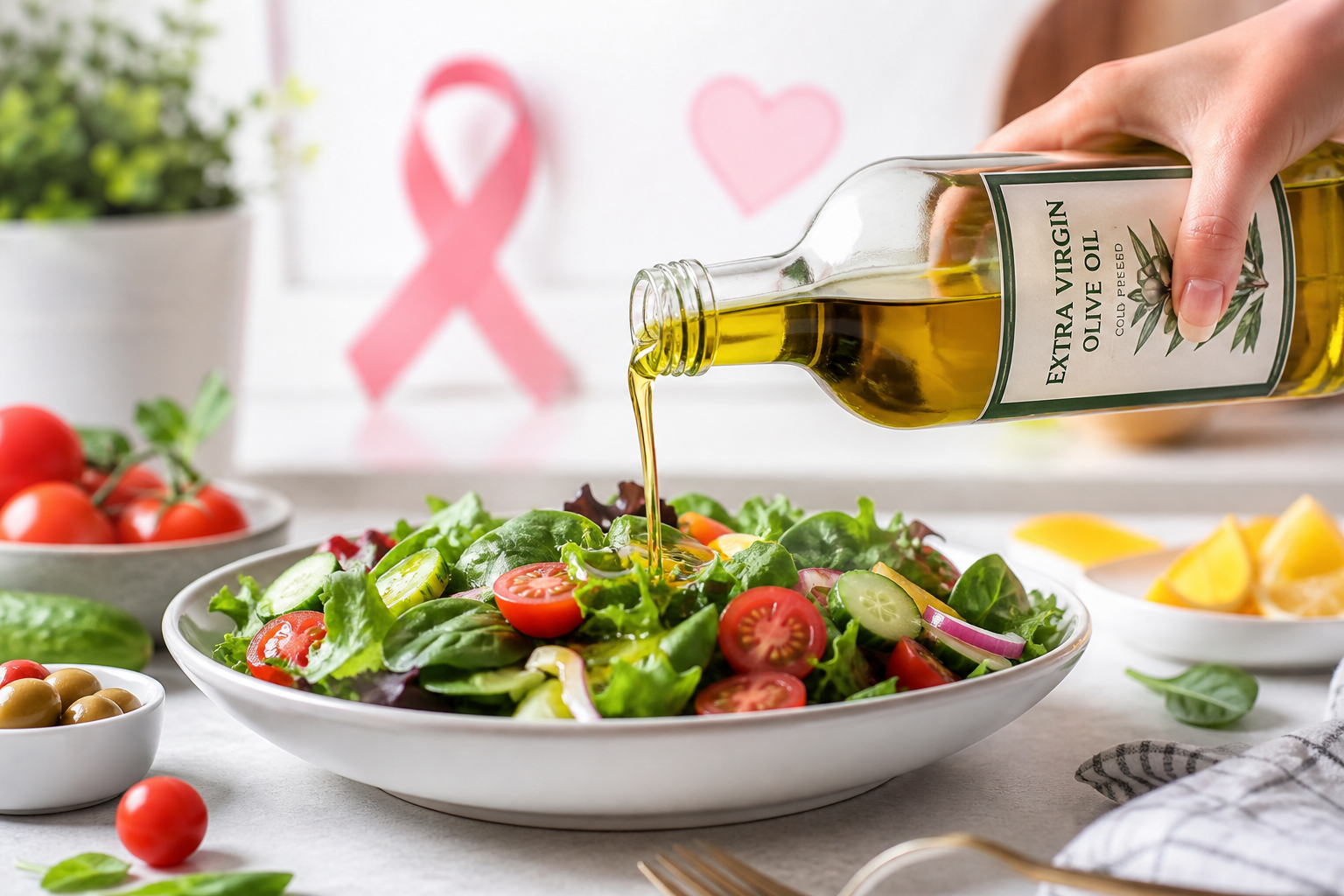
- Drizzle over salads and vegetables
- Use as a base for cooking or sautéing
- Add to whole grains or pasta dishes
- Replace butter or margarine with olive oil
Moderation is key, as olive oil is still calorie-dense.
Also read: Breast Reduction Surgery Linked to Lower Diabetes and Heart Disease Risk
Other Lifestyle Factors That Influence Breast Cancer Risk
While olive oil may help, overall lifestyle plays a much bigger role.
Important Factors Include:
- Maintaining a healthy weight
- Staying physically active
- Limiting alcohol consumption
- Eating a balanced, nutrient-rich diet
- Regular health screenings
Important Considerations
- Olive oil is not a cure or guaranteed prevention method
- Benefits are strongest when part of a healthy dietary pattern
- Individual risk factors (genetics, age, hormones) still matter
Always consult a healthcare professional for personalized advice.
Final Thoughts
The idea that olive oil may help reduce breast cancer risk is supported by encouraging research, particularly within the context of a Mediterranean-style diet. While it’s not a magic solution, it’s a simple, natural addition to a healthy lifestyle that may support long-term wellness.
Making small, consistent dietary choices—like using olive oil can contribute to better overall health and potentially lower disease risk over time.