


Obesity Increases Heart Failure Risk But Weight Loss May Help Reverse It, Study Finds
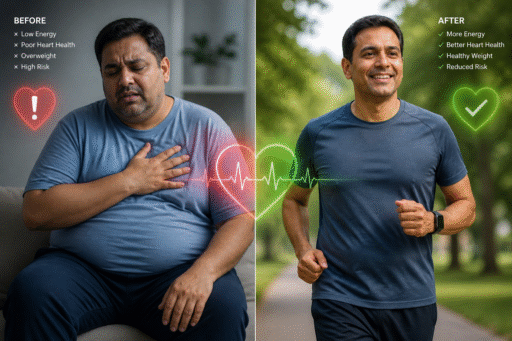
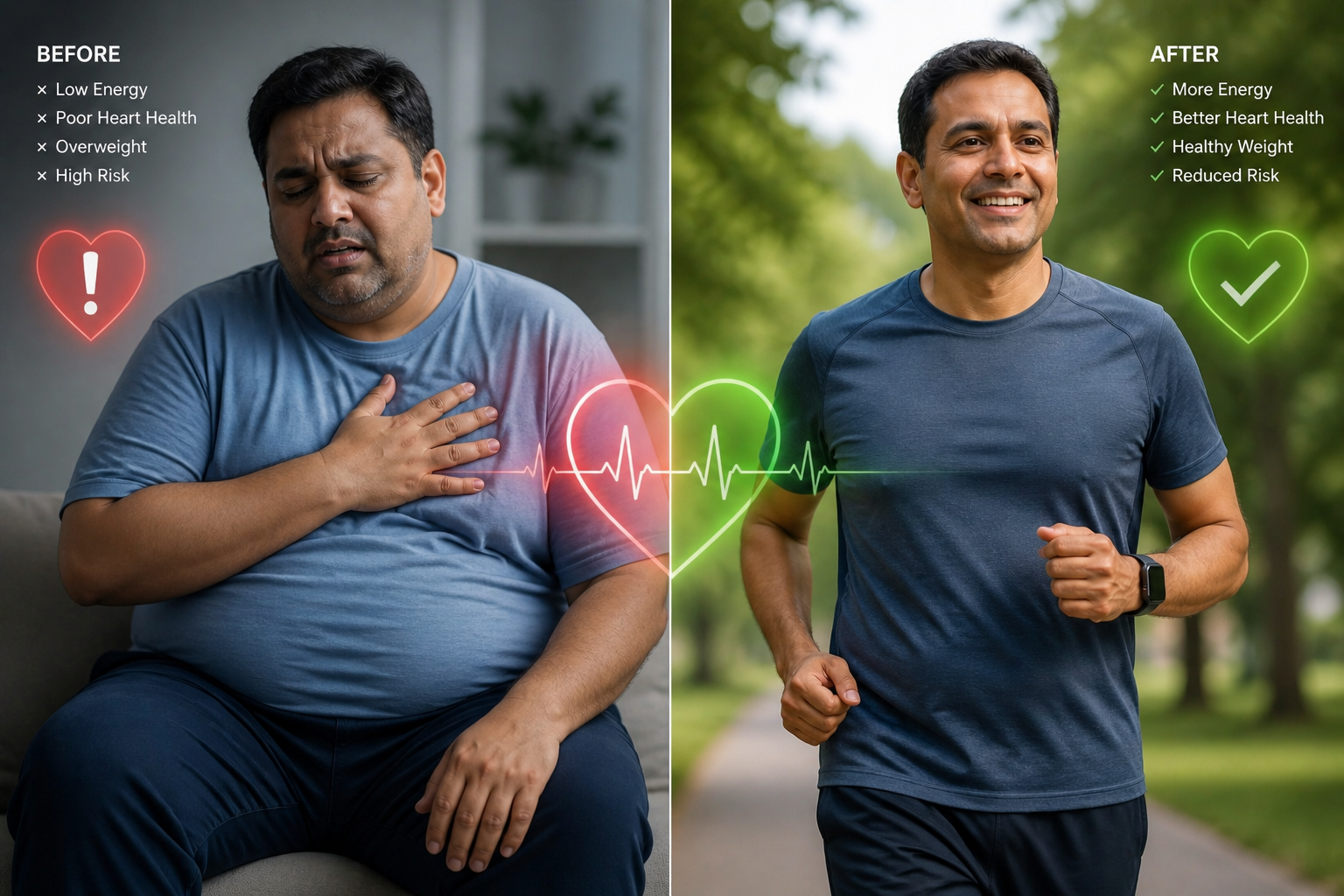
Obesity has long been linked to heart disease, but new research is shedding light on a hopeful message: losing weight may significantly reduce and in some cases help reverse the risk of heart failure.
With global obesity rates rising, understanding this connection is more important than ever. In this article, we break down what the latest findings mean, how obesity affects the heart, and what steps you can take to protect your health.
The Link Between Obesity and Heart Failure
Heart failure occurs when the heart cannot pump blood efficiently to meet the body’s needs. Obesity places extra strain on the cardiovascular system, increasing the likelihood of this condition.
How Obesity Impacts the Heart:
- Increases blood pressure (hypertension)
- Raises cholesterol levels
- Promotes inflammation
- Leads to insulin resistance and diabetes
Over time, these factors can weaken the heart muscle and impair its function.
What the Study Found
Recent studies suggest that intentional weight loss can improve heart function and reduce the risk of heart failure, especially in individuals with obesity.
Key Findings:
- Weight loss is associated with improved cardiac structure and function
- Reducing body fat can lower inflammation and blood pressure
- Even modest weight loss (5–10% of body weight) shows measurable benefits
👉 The takeaway: it’s not just about preventing damage your heart may actually recover with the right lifestyle changes.
Can Weight Loss Really Reverse Heart Risk?
While the word “reverse” can be complex in medical terms, evidence shows that weight loss can:
- Improve how efficiently the heart pumps
- Reduce strain on the cardiovascular system
- Lower the risk of future complications
In some cases, especially when caught early, these improvements can feel like a reversal of risk.
Also read: 18 Best Foods for High Blood Pressure That Actually Work
Best Strategies for Healthy Weight Loss
Sustainable weight loss is key. Quick fixes rarely deliver long-term results.
1. Focus on a Balanced Diet
- Increase fruits, vegetables, and whole grains
- Choose lean proteins
- Limit processed foods and added sugars
2. Stay Physically Active
- Aim for at least 150 minutes of moderate exercise weekly
- Include both cardio and strength training
3. Improve Sleep and Stress Management
- Poor sleep and chronic stress can contribute to weight gain
- Practice relaxation techniques and maintain a regular sleep schedule
4. Seek Professional Guidance
Doctors and nutritionists can help create a safe, personalized plan especially if you have existing health conditions.
Who Is Most at Risk?
You may have a higher risk of heart failure if you:
- Have a high body mass index (BMI)
- Live a sedentary lifestyle
- Have high blood pressure or diabetes
- Have a family history of heart disease
Recognizing these risk factors early allows for timely intervention.
Small Changes, Big Impact
You don’t need extreme measures to see benefits.
Even modest steps can help:
- Losing 5–10% of body weight
- Walking daily
- Replacing sugary drinks with water
- Cooking more meals at home
👉 Consistency matters more than perfection.
When to Talk to a Doctor
If you’re concerned about your weight or heart health, consider seeking medical advice especially if you experience:
- Shortness of breath
- Fatigue
- Swelling in the legs or feet
- Chest discomfort
Early evaluation can help prevent serious complications.
Also read: 9 Simple Diet Changes That Could Lower Your Heart Disease Risk
Final Thoughts
The connection between obesity and heart failure is clear—but so is the opportunity for improvement. Research continues to show that weight loss can play a powerful role in protecting and even restoring heart health.
Taking small, consistent steps toward a healthier lifestyle can make a meaningful difference not just for your heart, but for your overall well-being.