

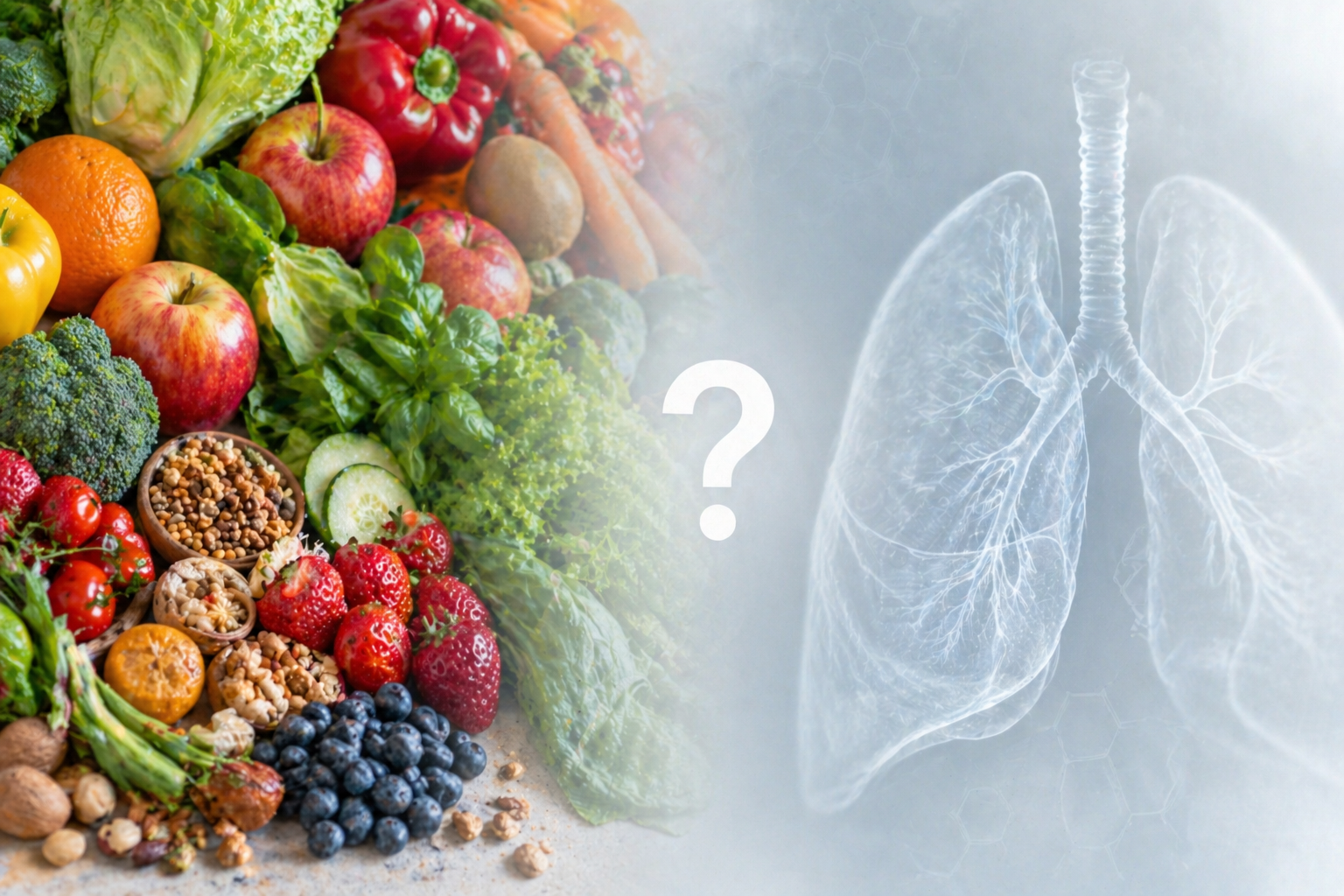

You’ve probably heard that a diet rich in fruits and vegetables is one of the best ways to support your health. So when headlines suggest that these same foods could be linked to lung cancer, it’s understandable to feel confused or even alarmed.
Let’s clear things up. In this article, we’ll break down where this claim comes from, what the science actually says, and how to make safe, healthy choices when it comes to your diet.
Where Did This Claim Come From?
The idea that fruits and vegetables could increase lung cancer risk didn’t come out of nowhere but it’s often misinterpreted.
Some studies have explored links between:
- Pesticide exposure on produce
- High-dose antioxidant supplements (like beta-carotene)
- Environmental toxins in food supply chains
In particular, research from the 1990s found that high-dose beta-carotene supplements increased lung cancer risk in smokers. However, this effect was linked to supplements not whole fruits and vegetables.
👉 This distinction is critical.
Do Fruits and Vegetables Cause Lung Cancer?
Short answer: No.
There is no credible scientific evidence showing that eating fruits and vegetables causes lung cancer. In fact, the opposite is true.
What Research Shows:
- Diets rich in fruits and vegetables are associated with lower cancer risk overall
- These foods contain antioxidants, fiber, and vitamins that help protect cells
- They may support the body’s natural defense systems against disease
Lung cancer is primarily linked to:
- Smoking (the leading cause)
- Air pollution
- Exposure to harmful chemicals (like asbestos or radon)
The Real Concern: Pesticides and Food Safety
While fruits and vegetables themselves are safe, some people worry about pesticide residues.
Should You Be Concerned?
In most countries, food safety authorities regulate pesticide levels to ensure they remain within safe limits. Washing and preparing produce properly can further reduce exposure.
Simple Safety Tips:
- Wash fruits and vegetables thoroughly under running water
- Peel when appropriate
- Buy from trusted sources
- Consider organic options for high-residue produce
These steps help minimize any potential risks without avoiding healthy foods altogether.
Supplements vs. Whole Foods: A Key Difference
One major source of confusion comes from dietary supplements.
Important Insight:
- High doses of isolated nutrients (like beta-carotene pills) can behave differently in the body
- Whole foods provide a balanced mix of nutrients that work together safely
👉 In other words, eating carrots is not the same as taking a high-dose supplement.
How Fruits and Vegetables Actually Support Lung Health
Instead of causing harm, fruits and vegetables may help protect your lungs.
Benefits Include:
- Reducing inflammation
- Supporting immune function
- Providing antioxidants that combat cell damage
Foods rich in vitamin C, vitamin E, and flavonoids like berries, leafy greens, and citrus fruits are especially beneficial.
Who Should Be Extra Cautious?
While fruits and vegetables are safe for most people, certain groups should be mindful:
- Smokers or former smokers: Avoid high-dose antioxidant supplements unless advised by a doctor
- People with weakened immune systems: Ensure produce is properly cleaned
- Individuals with allergies or sensitivities: Be aware of specific food triggers
Common Myths Debunked
❌ Myth: Fruits and vegetables can cause cancer
✔ Fact: They are linked to reduced cancer risk
❌ Myth: Antioxidants are always safe in high doses
✔ Fact: Supplements can be harmful in excess, especially for smokers
❌ Myth: Organic food is the only safe option
✔ Fact: Both conventional and organic produce are safe when properly handled
Final Thoughts
The idea that fruits and vegetables could cause lung cancer is largely based on misunderstood research and misleading headlines. In reality, these foods remain a cornerstone of a healthy diet and may even help protect against chronic diseases, including certain cancers.
Instead of avoiding fruits and vegetables, focus on:
- Eating a variety of fresh produce
- Practicing proper food hygiene
- Limiting known risk factors like smoking
When it comes to your health, the evidence is clear: fruits and vegetables are your allies not your enemies.