


Hantavirus Explained: What to Know After the Cruise Ship Outbreak
Recent reports of a suspected hantavirus outbreak linked to a cruise ship have raised public concern and renewed attention on this rare but serious disease. While hantavirus infections are uncommon, understanding how the virus spreads, its symptoms, and how to protect yourself is important especially after news of a potential outbreak.
In this article, we’ll explain what hantavirus is, how it’s transmitted, and what travelers and the public should know.
What Is Hantavirus?
Hantavirus refers to a group of viruses primarily carried by certain types of rodents. Humans can become infected through contact with infected rodent urine, droppings, or saliva.
In severe cases, hantavirus can cause:
- Hantavirus Pulmonary Syndrome (HPS) a serious respiratory illness
- Kidney-related illnesses in some parts of the world
Although rare, hantavirus infections can become life-threatening if not treated quickly.
Why Is the Cruise Ship Outbreak Making Headlines?
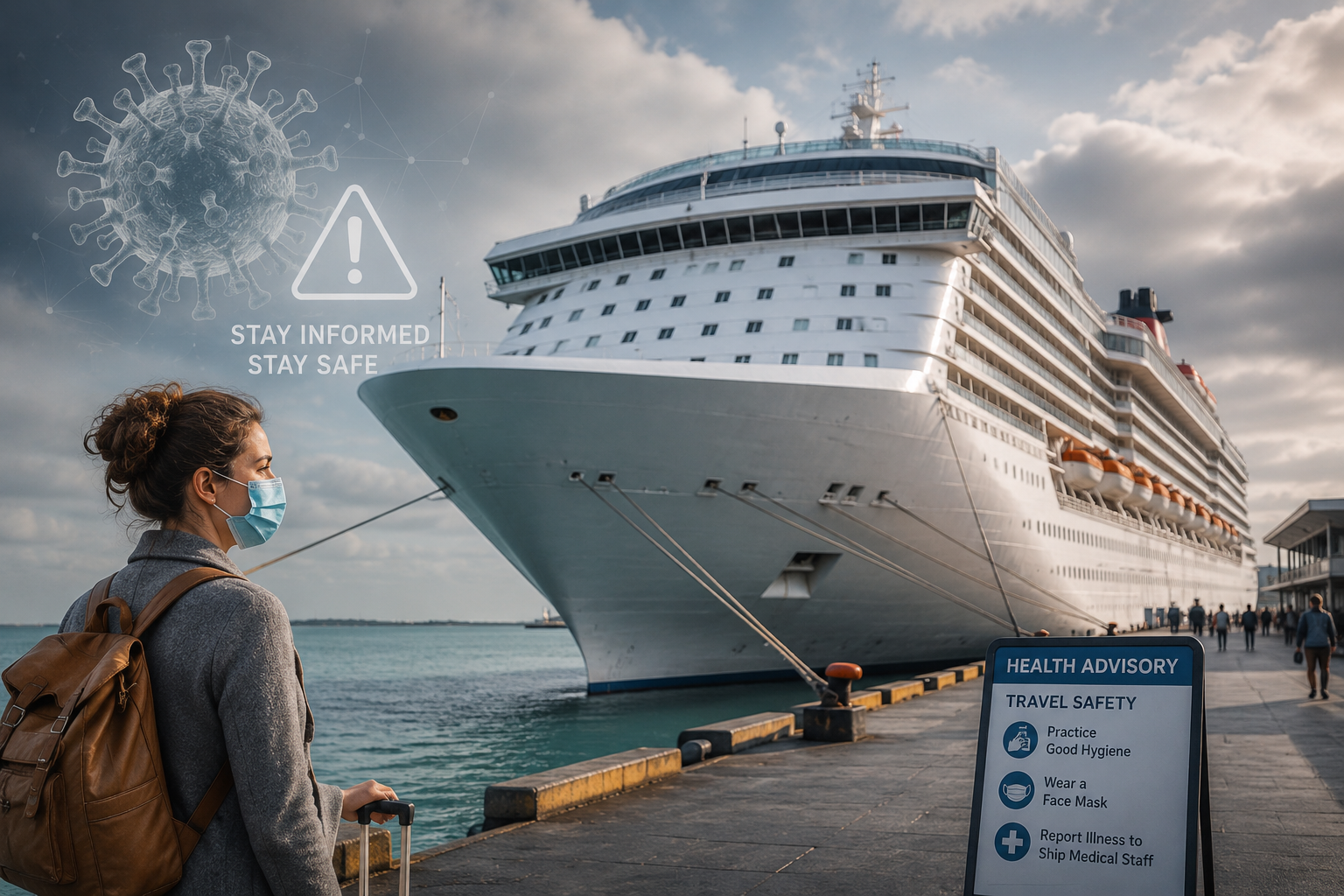
Health officials are investigating reports of hantavirus exposure connected to a cruise ship environment. While details may still be developing, outbreaks like this attract attention because:
- Cruise ships involve close-contact environments
- Travelers may share enclosed spaces
- Rodent exposure in food storage or maintenance areas can increase risk if sanitation issues occur
👉 It’s important to note that hantavirus does not typically spread from person to person in most cases.
How Does Hantavirus Spread?
People usually become infected by:
- Breathing in particles contaminated with rodent waste
- Touching contaminated surfaces and then touching the mouth or nose
- Handling infected rodents
Common Risk Areas:
- Cabins or storage areas with rodent activity
- Poorly ventilated spaces
- Areas with droppings or nesting materials
Symptoms of Hantavirus Infection
Symptoms often appear 1 to 8 weeks after exposure.
Early Symptoms:
- Fever and chills
- Fatigue
- Muscle aches
- Headaches
Later Symptoms:
- Shortness of breath
- Coughing
- Chest tightness
- Difficulty breathing
👉 Severe respiratory symptoms require immediate medical attention.
Also read: Parkinson’s Disease Stages: 5 Signs You Should Know
Is Hantavirus Dangerous?
Yes. Hantavirus Pulmonary Syndrome can become serious very quickly.
Possible Complications:
- Fluid buildup in the lungs
- Low oxygen levels
- Respiratory failure
Early diagnosis and supportive hospital care significantly improve survival chances.
How Is Hantavirus Diagnosed?
Doctors may use:
- Blood tests
- Symptom evaluation
- Exposure history
Because symptoms can resemble flu or respiratory infections, informing healthcare providers about possible rodent exposure is essential.
Treatment Options
There is currently no specific antiviral cure for hantavirus.
Treatment Focuses On:
- Oxygen support
- Fluid management
- Intensive care if needed
👉 Early medical intervention can greatly improve outcomes.
How to Protect Yourself
Prevention is the best defense against hantavirus.
Safety Tips:
- Avoid contact with rodent droppings or nests
- Keep living and storage spaces clean
- Use proper ventilation when cleaning dusty areas
- Wear gloves and masks when handling contaminated materials
For Travelers:
- Report sanitation concerns immediately
- Practice good hygiene on cruises and in shared accommodations
Should Travelers Be Worried?
Although headlines can sound alarming, hantavirus outbreaks remain relatively rare.
Most travelers are unlikely to encounter hantavirus, especially when proper sanitation and public health measures are in place. Still, awareness and preventive habits are important.
Final Thoughts
The recent cruise ship outbreak has brought attention to hantavirus, but understanding the facts can help reduce unnecessary fear. While rare, hantavirus is a serious illness that requires prompt medical care if symptoms develop after potential exposure.
Good hygiene, awareness of rodent exposure, and early medical attention remain the best ways to stay safe.