


Is It Healthy to Sleep with a Fan On? Benefits, Risks, and What Experts Say
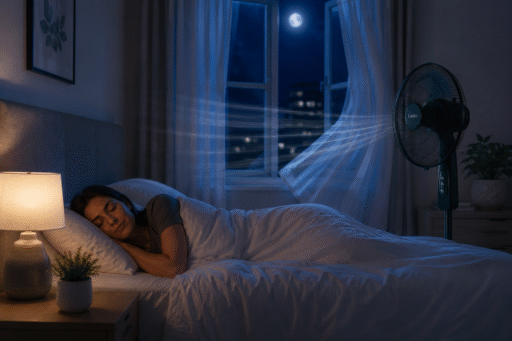
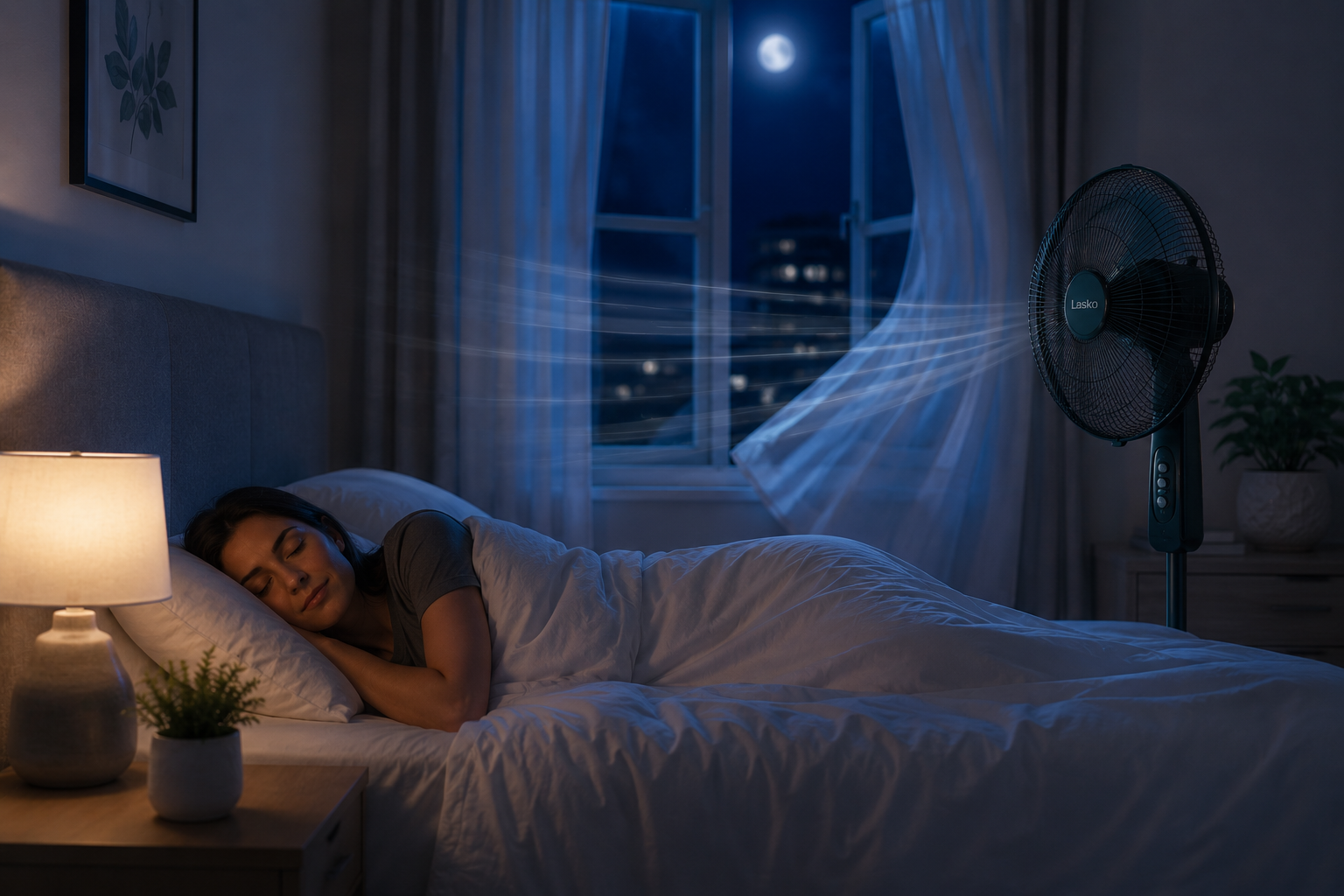
Sleeping with a fan on is a common habit for many people, especially during hot nights. The gentle airflow and background noise can make it easier to fall asleep and stay comfortable. But some people wonder: is it actually healthy to sleep with a fan on all night?
The answer depends on factors like room temperature, air quality, allergies, and personal comfort. In this article, we’ll explore the potential benefits and risks of sleeping with a fan on and how to do it safely.
Why People Sleep with a Fan On
Fans help circulate air and create a cooling effect, which can improve sleep quality in warm or humid conditions.
Common Reasons People Use Fans:
- To stay cool at night
- To create white noise for better sleep
- To improve air circulation
- To reduce stuffiness in the room
👉 For many people, sleeping in a cooler environment can support deeper, more comfortable sleep.
Also read: Weight Control Supplements: What They Are, How They Work, and What to Know Before Using Them
Potential Benefits of Sleeping with a Fan On
1. Helps Regulate Temperature
A cooler room may help the body maintain an ideal sleep temperature, which is important for restful sleep.
2. Creates White Noise
The steady sound of a fan can block out background noises like traffic or neighbors, making it easier to fall asleep.
3. Improves Air Circulation
Fans help prevent stale air and improve airflow in closed spaces.
4. May Reduce Night Sweating
People who experience hot flashes or night sweats may feel more comfortable with airflow during sleep.
Possible Downsides of Sleeping with a Fan On
While fans are generally safe, they may cause discomfort for some individuals.
1. Dry Eyes, Nose, or Throat
Continuous airflow can dry out the skin and airways, especially in dry climates.
2. Allergy or Dust Issues
Fans can circulate dust, pollen, and pet dander around the room.
👉 This may worsen symptoms for people with allergies or asthma.
3. Muscle Stiffness
Direct airflow blowing on the body all night may contribute to muscle tension or stiffness in sensitive individuals.
4. Dry Skin
Some people may notice increased skin dryness after prolonged exposure to moving air.
Tips for Sleeping with a Fan Safely
Position the Fan Properly
Avoid pointing the fan directly at your face or body all night.
Keep the Room Clean
Dust and clean the fan regularly to reduce allergens.
Use a Humidifier if Needed
If the air feels too dry, a humidifier can help balance moisture levels.
Maintain a Comfortable Temperature
Experts generally recommend a cool but comfortable bedroom environment for better sleep.
Who Should Be More Careful?
You may want to limit fan use or take extra precautions if you:
- Have asthma or allergies
- Experience chronic dry eyes or sinus issues
- Wake up with muscle stiffness or congestion
Is Sleeping with a Fan On Bad for You?
For most healthy adults, sleeping with a fan on is not harmful and can actually improve comfort and sleep quality.
However, personal sensitivity matters. If you notice:
- Congestion
- Dry throat
- Allergy flare-ups
- Muscle aches
You may need to adjust the fan’s position or usage.
Alternatives to Sleeping with a Fan
If a fan bothers you, consider:
- Air conditioning
- Cooling bedding or pillows
- White noise machines
- Better room ventilation
Final Thoughts
Sleeping with a fan on is generally safe and can help improve sleep by keeping the room cool and comfortable. However, it may cause dryness or allergy irritation in some people.
The key is finding the right balance maintaining airflow and comfort without exposing yourself to excessive direct air or poor air quality.