
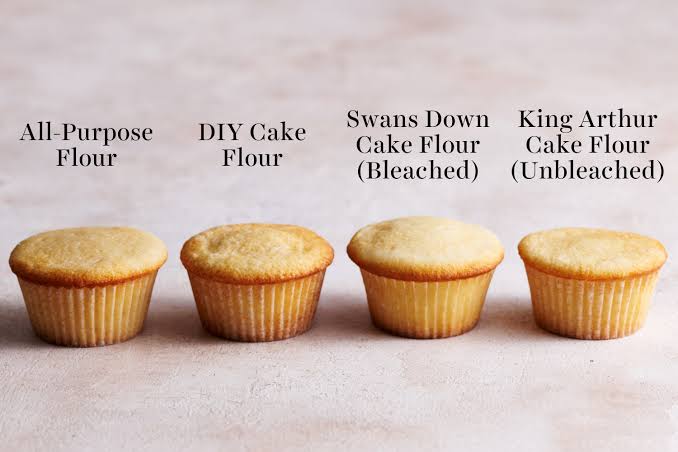

You expect a light, airy cake. Instead, you pull a dense, heavy brick out of the oven. If you substituted all-purpose flour for cake flour, you just experienced a harsh lesson in baking chemistry.
Baking relies entirely on precise science. The flour you choose acts as the structural foundation of your recipe. Swapping flours is the most common mistake home bakers make. While the two white powders look identical, their microscopic composition creates entirely different results.
This guide explains the cake flour vs all-purpose flour substitution science. You will learn exactly why some flour swaps work flawlessly while others end in disaster, how protein alters your baked goods, and the exact mathematical formula for a successful emergency substitution.
What Is Cake Flour?
Cake flour is a highly specialized baking ingredient milled from soft winter wheat. Soft wheat naturally contains a lower concentration of structural proteins.
How It Is Produced: Millers grind cake flour to an exceptionally fine consistency. This ultra-fine powder absorbs liquids and sugars rapidly, resulting in a perfectly smooth batter.
Typical Protein Percentage: Cake flour has the lowest protein content of all standard wheat flours. It typically hovers between 6% and 8%.
Why It Creates a Softer Crumb: Low protein means low gluten. When you mix cake flour with wet ingredients, it forms almost no gluten. The baked good yields effortlessly to a fork, creating a meltingly soft, fine crumb.
Why It Is Usually Bleached: Traditional commercial cake flour is bleached using chlorination. This process alters the starch and protein molecules. Chlorination weakens the gluten-forming proteins and makes the starches more porous. The batter can hold higher amounts of sugar and liquid without collapsing.
Best Baking Applications:
Angel food cakes
Chiffon cakes
Sponge cakes
White layer cakes
What Is All-Purpose Flour?
All-purpose (AP) flour is exactly what its name implies: a versatile, middle-of-the-road workhorse. It performs adequately across a wide spectrum of baking and cooking.
How It Differs: AP flour is typically formulated from a proprietary blend of hard and soft wheat. This blending gives millers a standardized product that behaves predictably.
Typical Protein Percentage: Standard AP flour sits squarely in the middle of the protein spectrum. It usually ranges from 10% to 12% protein.
Its Versatility: AP flour provides enough chewiness for bread, but not so much that it makes pastries inedible. It forms enough gluten to give a loaf of bread structural integrity.
Best Baking Applications:
Chocolate chip cookies
Brownies
Pancakes and waffles
Basic pie doughs
Protein Content: The Real Reason Substitutions Fail
To understand why a simple flour swap ruins a recipe, look at the foundation of baking chemistry: protein. In any protein content flour baking comparison, protein dictates destiny.
Protein and Gluten Formation
Wheat flour contains two dormant proteins: glutenin and gliadin. When you add water and stir the mixture, these proteins link together. They form a complex, elastic network called gluten. Gluten acts like microscopic rubber bands. It traps air bubbles and provides chewy structure.
How Protein Levels Change Texture
More protein creates more “rubber bands.” Bread flour creates a chewy bagel. Cake flour creates a delicate sponge. When you substitute AP flour into a cake recipe, you introduce up to 50% more structural protein into a delicate system.
The Impact on Specific Baked Goods
Cakes: Excess protein in a cake recipe creates a domed, cracked top and a dense, bready texture.
Cookies: AP flour is ideal here. If you substitute cake flour into a cookie recipe, the cookies spread too much and become fragile.
Muffins: Muffins rely on gentle mixing to prevent gluten formation. Cake flour makes them too crumbly to hold their shape.
Practical Example: Imagine building a delicate birdcage. Cake flour provides thin, lightweight wires. All-purpose flour provides thick steel rebar. Introducing heavy rebar ruins the delicate architecture.
USDA Flour Protein Comparison
To make informed decisions, you must understand the exact nutritional makeup of your ingredients. Below are the USDA FoodData Central averages.
| Flour Type | Protein Percentage | Texture Produced | Best Uses |
| Bread Flour | 12% – 14% | Chewy and sturdy | Bagels, pretzels |
| All-Purpose Flour | 10% – 12% | Moderately firm | Cookies, everyday baking |
| Pastry Flour | 8% – 9% | Flaky and tender | Pie crusts, tarts |
| Cake Flour | 6% – 8% | Ultra-soft, delicate | Sponge cakes, layer cakes |
| 00 Flour | 11% – 12.5% | Extensible and crisp | Neapolitan pizza crust |
| Self-Rising Flour | 8% – 9% | Light and fluffy | Biscuits, quick breads |
Understanding the Numbers: Protein percentage is a spectrum. High protein does not always mean chewy. For example, almond and oat flours have high protein but zero glutenin. They cannot form a gluten network at all.
The Science of Gluten and Cake Texture
Baking a cake is a delicate balancing act. You must build enough structure to prevent collapsing, while keeping the structure weak enough for a pleasant texture.
Gluten Network Formation:
When you mix batter, the chemical reaction starts instantly. In bread making, you knead the dough forcefully to build a strong lattice. In cake making, we deliberately sabotage this process. We mix as little as possible and coat the flour with fats to “shorten” the gluten strands.
Tender Crumb vs. Chewy Crumb:
The interplay between gluten development cake crumb texture is highly sensitive. A chewy crumb is desirable in sourdough. A tender crumb is mandatory in a wedding cake.
Why Cakes Need Less Gluten:
Achieving a tender crumb flour protein percentage requires a low-protein base. Cakes rely heavily on expanding gases (from baking powder or whipped eggs) to rise. If the gluten network is too strong, the expanding gases cannot push through the rigid structure. The result is a heavy cake.
How Bleached Cake Flour Affects Baking
Protein is the most discussed factor, but the bleaching process is equally critical.
The Bleaching Process:
Manufacturers use chlorine gas to bleach cake flour. This chemical intervention oxidizes the flour. It renders the weak proteins even weaker, ensuring they form almost no gluten.
Changes in Acidity:
Chlorination makes the flour slightly acidic. This bleached flour pH effect on leavening is a crucial component of cake science.
Influence on Cake Rise:
The acidic environment causes the starches to gelatinize much faster. The structure of the cake sets faster in the oven. Because the starches set quickly, the cake can support an unusually high ratio of sugar and liquid without collapsing.
The Exact Cake Flour Substitute Formula
Baking emergencies happen. If you run out of commercial cake flour, you can manufacture a scientifically sound substitute using all-purpose flour and cornstarch.
Cornstarch contains zero gluten. By replacing a portion of the all-purpose flour with cornstarch, you dilute the total protein content. The cornstarch interferes with gluten formation, ensuring a tender result.
The Precise Formula
For every 1 cup of cake flour required, follow this exact cornstarch flour substitution ratio:
Measure 1 level cup of all-purpose flour.
Remove 2 tablespoons of the all-purpose flour.
Replace with 2 level tablespoons of cornstarch.
Sift the mixture together at least three times to distribute the starches evenly.
Conversion Table Quick Reference
| Cake Flour Needed | Start With AP Flour | Remove AP Flour | Add Cornstarch |
| 1 Cup | 1 Cup | 2 Tablespoons | 2 Tablespoons |
| 2 Cups | 2 Cups | 4 Tablespoons | 4 Tablespoons |
| 3 Cups | 3 Cups | 6 Tablespoons | 6 Tablespoons |
When the Swap Works Well
Substituting all-purpose flour with cornstarch is not universally disastrous. For certain baked goods, the difference is negligible.
Sheet Cakes: Wide, shallow pans provide extensive structural support.
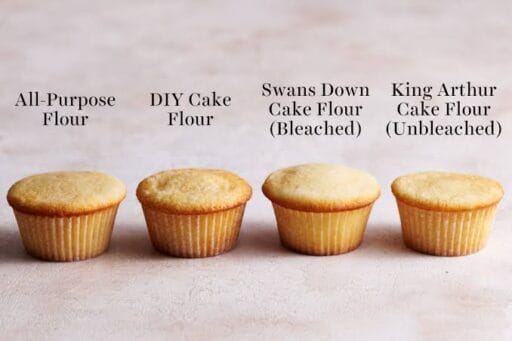
Cupcakes: Standard cupcakes bake quickly in small, supported wrappers.
Snack Cakes: Simple, single-layer cakes are highly resilient.
Pancakes: Many recipes call for cake flour. The substitute yields virtually identical results.
When the Swap Usually Goes Wrong
For highly sensitive recipes, substituting all-purpose flour—even with the cornstarch trick—will end in disaster.
Angel Food Cake: Relies entirely on whipped egg whites. Unbleached AP flour weighs down the whites, creating a rubbery cake.
Sponge Cake: Needs the immediate starch gelatinization provided by bleached flour. An AP substitute yields a leathery sponge.
High-Ratio Cakes: Recipes with more sugar than flour will collapse into a gummy puddle without the acidity of commercial cake flour.
The cornstarch substitute perfectly mimics the protein content of cake flour. However, it cannot mimic the acidity and starch modifications caused by commercial bleaching.
Common Flour Substitution Mistakes
Avoid these common pitfalls to prevent a dense, gummy cake.
Not Measuring Accurately: Scoop measuring packs the flour. You will add up to 25% more protein to your batter. Always spoon the flour into the cup and level it.
Skipping Sifting: You must sift the flour and cornstarch together. Skipping this step leaves pockets of pure cornstarch in your batter.
Using Bread Flour: Never attempt the cornstarch trick with bread flour. The initial protein content is simply too high.
Conclusion
Understanding the science behind flour substitution separates a recipe follower from a true baker. The protein content of your flour dictates the gluten development, which controls your final texture. While all-purpose flour is a fantastic multi-tool, its high protein levels make it risky in delicate cakes.
The homemade cornstarch substitution safely lowers the overall protein percentage for everyday cupcakes and sheet cakes. However, for specialized foam-based cakes, the unique acidity of genuine bleached cake flour is completely irreplaceable.