
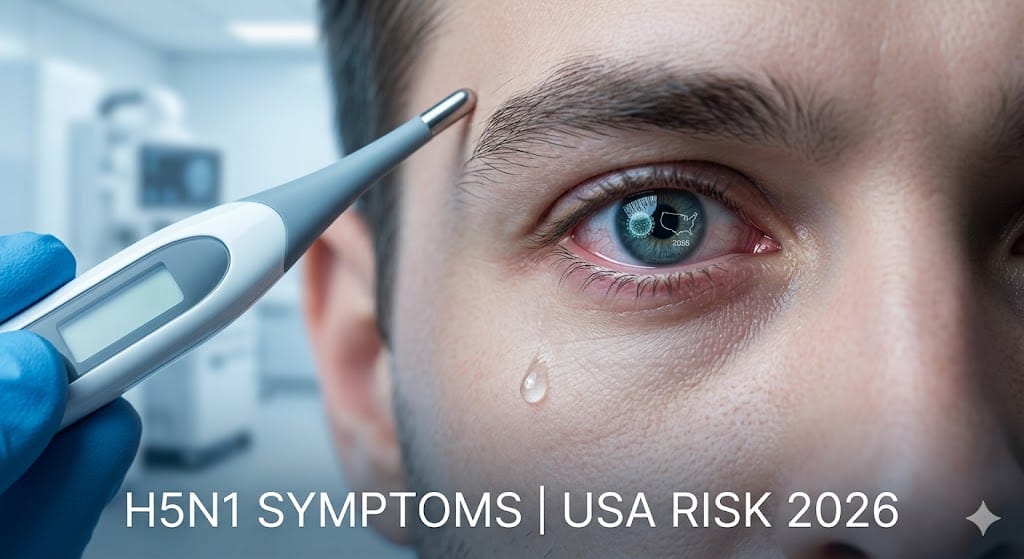

Headlines about avian influenza might have caught your attention recently. In 2026, many Americans are asking about the real threat of the virus. People worry when they hear news about outbreaks spreading through local farms.
Is this another pandemic, or just an agricultural issue? Currently, health experts consider the public threat level to be exceptionally low. However, public health agencies carefully track the situation across the country.
Over 70 human cases have emerged in the U.S. since major tracking efforts began in 2024. Almost all of these cases connect directly to occupational exposure in agriculture. Consequently, we must separate alarming rumors from scientific reality.
We need to look at the hard data provided by infectious disease experts. Let’s break down the facts, explore H5N1 bird flu human symptoms 2026 USA risk factors, and clarify the actual threat level for American families.
What is H5N1 Bird Flu?
Avian influenza, commonly known as bird flu, is a highly contagious viral infection. It primarily affects wild aquatic birds, like ducks and geese, and domestic poultry flocks worldwide. Specifically, the H5N1 strain represents a highly pathogenic version of this virus.
This means it is often fatal among avian populations, wiping out entire flocks rapidly. Over the past few years, the virus has circulated globally, causing significant agricultural losses.
Occasionally, the virus spills over into mammalian species, including foxes, marine mammals, and humans. The core difference between animal and human infections lies in viral adaptation. The virus easily infects birds but struggles to bind to human respiratory receptors.
Human lungs lack the specific cellular receptors that avian viruses prefer. Therefore, it rarely infects people without direct, heavy, and prolonged exposure. The virus has not yet mutated to spread easily among humans, which acts as a major biological safety barrier.
How H5N1 Spreads to Humans
The overall avian influenza human transmission risk remains exceptionally low for the general public. People typically catch the virus through close, unprotected contact with infected animals. You cannot catch it from walking outside or visiting a local park.
Recently, dairy farm bird flu exposure has become a primary driver of U.S. cases. The virus established a foothold in cattle herds, surprising many veterinarians. Farm workers handling sick cattle, cleaning milking equipment, or processing raw milk face elevated occupational hazards.
Additionally, poultry contact remains a classic transmission route. Workers culling infected flocks, collecting eggs, or handling contaminated barn environments carry the highest risk of infection. The virus sheds heavily in the feces and saliva of infected birds.
Crucially, experts emphasize a limited human-to-human transmission explanation. Scientists have not found evidence of the virus spreading easily from person to person. Contact tracing around confirmed patients consistently shows no secondary spread to family members.
Consequently, the transmission risk level stays strictly monitored but highly contained. Public health teams act rapidly to isolate cases and test close contacts to ensure the virus stops there.
H5N1 Human Symptoms
If a person contracts the virus, bird flu symptoms in humans USA cases look similar to standard respiratory infections. However, they often feature a unique and highly visible sign.
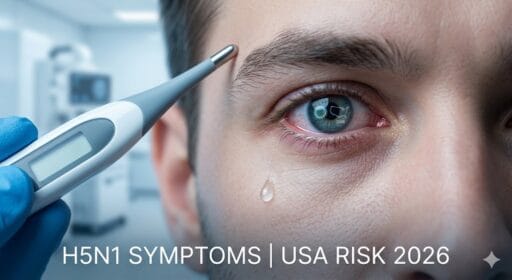
Many recent U.S. cases have presented prominently with a severe eye infection, known clinically as conjunctivitis or pink eye. This occurs because farm workers often get splashed with contaminated milk or rub their eyes with soiled hands. The eyes offer a direct pathway for the virus to enter the body.
Furthermore, other common symptoms include sudden fever, persistent cough, sore throat, and severe muscle pain. Patients frequently report profound fatigue and chills during the first few days of illness.
In rare instances, patients may develop severe respiratory complications. These complications include viral pneumonia, acute respiratory distress syndrome, or secondary bacterial infections. Because of these possibilities, health officials take every reported case very seriously. Prompt antiviral treatment usually leads to full recovery.
H5N1 vs Seasonal Flu Severity Comparison
Understanding the difference between these viruses helps gauge the true danger. A comprehensive H5N1 vs seasonal flu severity comparison reveals why experts monitor bird flu so closely.
While seasonal flu spreads easily, H5N1 requires specific circumstances to infect humans. Here is a clear breakdown of the differences:
| Disease | Severity | Transmission | Key Symptoms |
| H5N1 | High severity, low spread | Animal-to-human mainly | Fever, eye infection, respiratory distress |
| Seasonal Flu | Moderate | Human-to-human | Fever, fatigue, cough, muscle aches |
| COVID-19 | Variable | Highly transmissible | Respiratory issues, systemic symptoms, fatigue |
USA Risk Assessment (2026)
Looking closely at CDC H5N1 surveillance data 2026, the situation remains firmly under control. Public health officials have monitored tens of thousands of exposed individuals over the past two years. They track farm workers and their close contacts meticulously.
This intense monitoring has resulted in just over 70 confirmed H5N1 outbreak cases United States wide since 2024.
When you consider the vast scale of American agriculture, this number remains remarkably small. These isolated cases do not represent a panic scenario for the general public.
Currently, scientific understanding indicates the virus lacks the genetic mutations required for airborne human-to-human transmission.
However, influenza viruses constantly evolve. Therefore, public health officials embrace uncertainty by maintaining aggressive testing protocols at the agricultural level.
Instead of widespread panic, the data highlights specific occupational risk groups. Farm workers, dairy operators, and poultry workers face the highest exposure threat daily. These individuals work directly in environments where the virus concentrates.
For the average American living in a suburb or city, the daily risk of catching H5N1 is virtually zero. You do not need to alter your daily routine or wear masks in public to prevent bird flu. Nevertheless, continuous pandemic preparedness H5N1 planning remains a top priority for national health organizations.
When to Contact a Doctor
You should contact a healthcare provider immediately if you experience specific warning signs. First, consider your recent travel and work history carefully. Have you visited a farm or handled sick animals recently?
If you have known exposure to sick animals and develop symptoms, call your doctor right away. Be sure to mention your animal contact over the phone before arriving at the clinic. This advance notice prevents potential spread in the waiting room.
Moreover, seek emergency medical attention if you experience severe breathing issues or shortness of breath.
Chest pain, bluish lips, or sudden confusion also require immediate emergency care. Delaying care in these instances can be extremely dangerous.
Furthermore, individuals with high-risk occupational exposure must follow strict workplace health guidelines.
They should report even mild symptoms, like pink eye or a low-grade fever, directly to their employers and health authorities. Early testing allows for quick, life-saving antiviral treatment.
Prevention & Public Health Guidance
Prevention relies heavily on basic hygiene and common sense practices. Always avoid touching sick or dead wild birds, and keep your pets away from them as well. Never handle raw animal products from unverified or unregulated sources.
If your job requires contact with livestock, you must wear appropriate personal protective equipment. You should utilize goggles, gloves, and respirators when dealing with potentially infected herds. This simple step drastically reduces your chance of infection.
Following strict CDC-style prevention framing, regular hand washing with soap and water effectively neutralizes the virus on your skin. You should scrub your hands for at least twenty seconds after visiting a farm or petting zoo.
Additionally, standard commercial food processing eliminates the virus entirely. Pasteurization completely destroys the H5N1 virus in milk through high-heat treatment. Therefore, commercial dairy products sold in grocery stores remain perfectly safe to consume.
Expert Conclusion
In summary, while the headlines might sound frightening, the current medical data paints a reassuring picture. The H5N1 bird flu human symptoms 2026 USA risk profile indicates a very low public threat. The average citizen has no scientific reason to panic.
Health authorities aggressively monitor agricultural outbreaks to prevent any widespread human transmission. They conduct active, daily surveillance to catch any dangerous viral mutations early. Indeed, the scientific community remains highly vigilant.
By relying on science and practicing good hygiene, Americans can stay safe. You can stay informed without falling into sensationalism or unnecessary fear. We currently have the public health tools necessary to manage this virus effectively.
People Also Ask
Can you get H5N1 from eating chicken or eggs?
Properly cooking poultry and eggs to an internal temperature of 165°F completely kills the bird flu virus. Commercial food supplies remain strictly regulated, inspected, and perfectly safe for daily consumption.
Is there an H5N1 vaccine for humans?
The U.S. government maintains a robust national stockpile of H5N1 vaccines specifically for pandemic preparedness. However, the CDC does not currently recommend vaccination for the general public due to the extremely low transmission threat level.
How does the 2026 bird flu outbreak affect milk?
Pasteurization reliably inactivates the H5N1 virus through a standardized heating process, making store-bought dairy safe. Conversely, health experts strongly advise against consuming unpasteurized or raw milk due to severe potential contamination risks.