


Key takeaways
- Your gut hosts trillions of microbes that influence digestion, immunity, mood, and how your body handles blood sugar and fat.
- Fiber is the main fuel for beneficial bacteria, yet only about 5% of U.S. adults eat enough of it, according to Cleveland Clinic.
- Fermented foods like yogurt, kefir, kimchi, and sauerkraut add live microbes and help diversify the gut community.
- Common signs of an imbalanced microbiome include bloating, irregular bowel habits, frequent fatigue, and food intolerances.
- Small daily habits (more plants, better sleep, regular movement, less stress) support gut health more than any single supplement.
A healthy gut comes down to feeding the trillions of microbes in your digestive tract the fuel they need, mostly fiber from plants, plus a steady supply of fermented foods. This gut health guide walks you through what the microbiome actually does, which foods help, how your gut ties into metabolism, and the daily habits that keep the whole system running well.
You do not need a lab test or an expensive supplement shelf to start. You need a clear picture of what your gut bacteria want and a handful of habits you can repeat. The rest of this guide gives you both.
How the Gut Microbiome Influences Overall Health
Your gut microbiome is the community of trillions of bacteria and other microbes living mostly in your large intestine, and it touches far more than digestion. These microbes help break down food you cannot digest on your own, produce certain vitamins, and send signals that shape your immune system, metabolism, and even mood.
A large share of your immune cells lives in and around the gut lining, which is why the health of your microbiome and the strength of your defenses are so closely linked. The microbes there interact with immune tissue every day, helping your body tell friend from foe and keeping the gut wall intact so unwanted particles stay out of the bloodstream.
The microbiome also acts almost like an extra organ. Your gut bacteria carry far more genes than your own cells do, and they use that genetic machinery to produce vitamins such as certain B vitamins and vitamin K, break down compounds you could not process alone, and generate chemical messengers that circulate through the body. When this community is diverse and well fed, those functions hum along quietly in the background.
The gut also talks to the brain through what researchers call the gut-brain axis. Microbes produce compounds that influence neurotransmitters and inflammation, which is part of why digestive health and mental well-being often move together. Chronic stress can push this loop in the wrong direction, which is one reason stress management shows up later in this guide.
Foods That Feed Beneficial Gut Bacteria
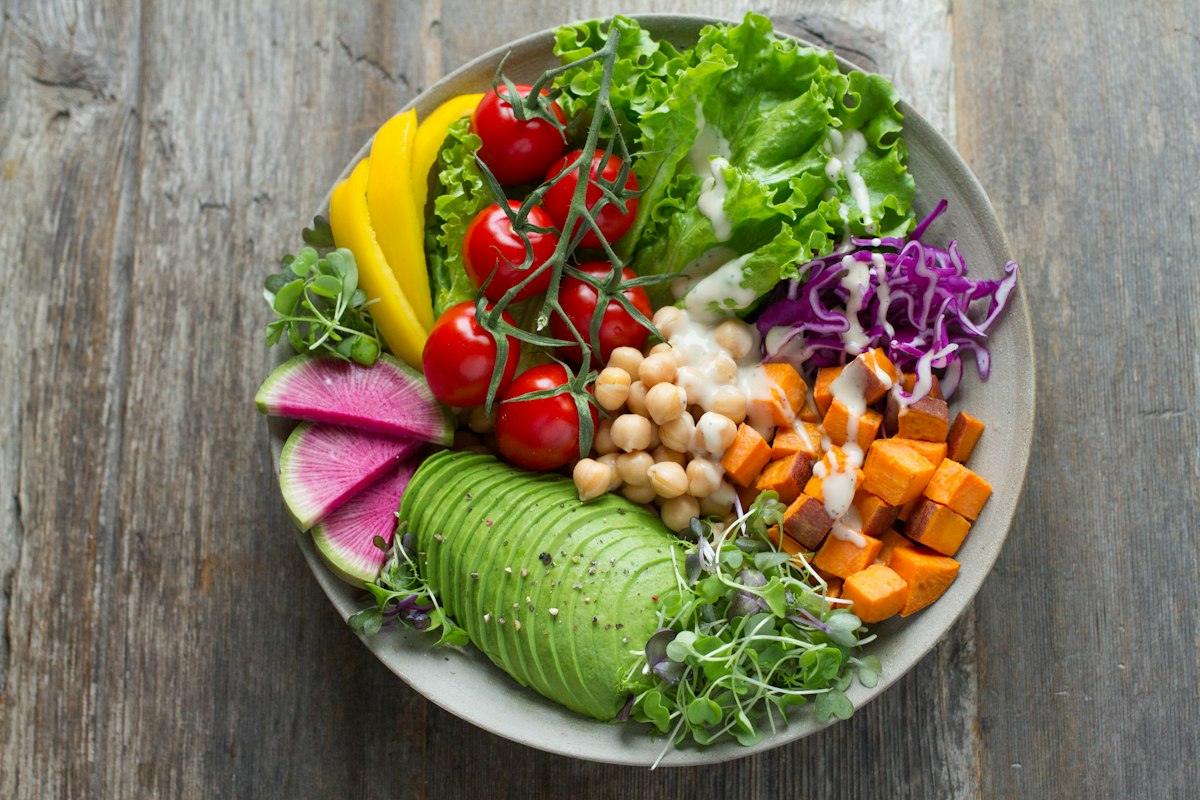
The single most important thing you can do for your microbiome is eat more fiber, because fiber is the primary fuel that beneficial bacteria ferment to stay alive and multiply. Despite this, only about 5% of U.S. adults get enough fiber, with most people eating around 16 grams per day, according to Cleveland Clinic. Recommended intakes sit higher, roughly 22 to 28 grams for women and 28 to 34 grams for men depending on age.
Closing that gap does not require a special diet. It mostly means eating a wider range of plants. The following foods pull their weight.
Fiber and Prebiotic Foods
Prebiotics are types of fiber that selectively feed good bacteria. Strong sources include:
- Legumes: lentils, chickpeas, black beans
- Whole grains: oats, barley, brown rice
- Vegetables: onions, garlic, leeks, asparagus, artichokes
- Fruit: bananas, apples, berries
- Nuts and seeds: almonds, chia, flax
Variety matters as much as volume. Different microbes prefer different fibers, so rotating your plant foods supports a more diverse community.
Fermented Foods
Fermented foods deliver live microbes along with compounds produced during fermentation. Useful staples include plain yogurt, kefir, kimchi, sauerkraut, miso, and tempeh. Choosing products that are refrigerated and list live or active cultures gives you the most benefit, and starting with small servings helps your system adjust.
For a broader list of foods that support your whole metabolic picture, see our roundup of 12 foods that support better metabolic health.
The Link Between Gut Health and Metabolism
Your gut microbiome and metabolism are tightly connected, because when bacteria ferment fiber they produce short-chain fatty acids that influence appetite hormones, blood sugar control, and how your body stores fat. A diverse, well-fed microbiome tends to track with steadier energy and better metabolic markers, while a depleted one is associated with inflammation and poorer blood sugar regulation.
This is why gut health and metabolic health belong in the same conversation. The fiber that feeds your bacteria also slows the release of sugar into your bloodstream, which helps blunt spikes after meals. Over time, these daily patterns add up to meaningful differences in how your body manages glucose and insulin.
Short-chain fatty acids are a big part of the story. When bacteria ferment fiber in the large intestine, they release compounds like butyrate, acetate, and propionate. These feed the cells lining your colon and help regulate inflammation. They also signal to the hormones that control hunger and fullness. A microbiome that produces plenty of them tends to support more stable appetite and energy, which makes consistent eating patterns easier to maintain. A microbiome starved of fiber produces far fewer, and the shortfall can nudge metabolism in the wrong direction.
If you are working on blood sugar specifically, our step-by-step guide on how to lower blood sugar naturally pairs well with the fiber habits in this article. The two reinforce each other: a gut-friendly plate is usually a blood-sugar-friendly plate.
Signs of an Imbalanced Microbiome
An imbalanced microbiome, sometimes called dysbiosis, happens when the mix of gut microbes shifts away from a healthy, diverse state. Common drivers include a low-fiber or heavily processed diet, repeated courses of antibiotics, poor sleep, and prolonged stress. You cannot see dysbiosis directly, but it often shows up through a cluster of everyday symptoms.
Common signs include:
- Frequent bloating, gas, or abdominal discomfort
- Irregular bowel habits, such as recurring constipation or diarrhea
- Unexplained fatigue or low energy
- New or worsening food intolerances
- Ongoing digestive upset without a clear cause
A single bad week of digestion is normal. Patterns that stick around for weeks are worth paying attention to, especially if they come alongside changes in weight, appetite, or mood. Persistent or severe symptoms should be reviewed by a clinician rather than self-diagnosed, since some signs overlap with conditions that need medical care.
Simple Steps to Support Gut Health Daily
Supporting your gut does not require a strict protocol. A few repeatable habits do most of the work. Build these into your routine one at a time.
- Eat the rainbow. Aim for a range of colorful plants across the week to feed different bacteria. More variety usually means more diversity in your gut.
- Add a fermented food. Work one serving of yogurt, kefir, kimchi, or sauerkraut into most days.
- Hit a fiber target. Gradually build toward the recommended range, adding fiber slowly and drinking more water to ease the transition.
- Move most days. Regular physical activity is linked with a more diverse microbiome, and even a daily walk counts.
- Protect your sleep. Poor sleep disrupts the gut and metabolism together, so a consistent schedule pays off.
- Manage stress. Chronic stress alters gut function through the gut-brain axis, so brief daily wind-downs help.
- Be thoughtful with antibiotics. Use them when genuinely needed and follow your clinician's guidance, since they can disrupt the microbiome.
These steps work because they are sustainable. Consistency over months matters more than any single perfect meal. At Myhealthytopics, our evidence-based guides and community forums are built to help you keep habits like these going, with practical check-ins rather than quick fixes.
Putting It Into Practice
Start with one change this week: pick a single fiber-rich food or one fermented food and add it to meals you already eat. Once that feels automatic, layer on the next habit. Small, steady steps are what build a resilient microbiome, and they are the most reliable way to turn this guide into lasting results.
Frequently asked questions
What is the gut microbiome?
The gut microbiome is the community of trillions of bacteria, fungi, and other microbes living mainly in your large intestine. They help digest food, make certain vitamins, train your immune system, and produce compounds that affect metabolism.
How can I improve my gut health naturally?
Eat a wider range of plant foods for fiber, add fermented foods regularly, drink enough water, move your body most days, prioritize sleep, and manage stress. These habits feed beneficial bacteria and support a diverse microbiome.
What are the signs of an unhealthy gut?
Frequent bloating, gas, constipation or diarrhea, unexplained fatigue, new food intolerances, and persistent digestive discomfort can signal an imbalanced microbiome. Ongoing symptoms are worth discussing with a clinician.
Does gut health affect metabolism?
Yes. Gut bacteria ferment fiber into short-chain fatty acids that influence appetite hormones, blood sugar control, and how your body stores fat. A diverse, fiber-fed microbiome is linked with better metabolic health.
Are probiotic supplements necessary for a healthy gut?
Not for most people. Whole foods, especially fiber and fermented foods, are the foundation. Supplements may help in specific situations, but they do not replace a varied, plant-rich diet.