




Key takeaways
- Eating fiber and protein before refined carbs slows digestion and produces a gentler glucose rise instead of a sharp spike.
- A short walk soon after eating helps muscles pull glucose from the blood, which can blunt the post-meal peak.
- Short sleep and ongoing stress raise blood sugar by reducing insulin sensitivity, so rest and recovery are part of glucose control.
- Over 115 million American adults have prediabetes (American Diabetes Association, 2026), so early habit changes matter for most people.
- Track a few meals and short daily readings rather than every number, so the data guides you without taking over your day.
You can lower blood sugar naturally by changing the order you eat foods, walking shortly after meals, sleeping enough, and managing stress. None of these require a prescription, and most work within a single day. This guide covers 8 practical steps to improve blood sugar control, why post-meal spikes happen, and how to track progress without letting numbers run your life.
Blood sugar is not only a concern for people with diabetes. Over 115 million American adults are living with prediabetes, and over 40 million have diabetes, about 12% of the population (American Diabetes Association, 2026). That means steadier glucose is a reasonable goal for a large share of people, not a niche medical project.
Why Do Blood Sugar Spikes Happen After Meals?
Blood sugar rises after eating because carbohydrates break down into glucose, which enters the bloodstream faster than your body can store it. Your pancreas releases insulin to move that glucose into cells. When a meal is heavy in refined carbs and light on fiber, the rise can be steep and quick, which is what people call a spike.
The speed of digestion drives much of this. Foods that empty quickly from the stomach, like white bread, sugary drinks, and most desserts, deliver glucose in a rush. Foods with fiber, fat, and protein slow that process, so glucose trickles in instead of flooding in.
A short, sharp spike followed by a crash can leave you tired, hungry, and reaching for more carbs within an hour or two. Smoothing those swings is the heart of good blood sugar control, and the steps below each target one cause.

Step 1: Eat Fiber and Protein Before Refined Carbs
Food order changes how high your glucose climbs from the same plate. When you eat vegetables, beans, or protein first and save bread, rice, or potatoes for last, digestion slows and the glucose rise flattens. Nothing is banned. You are simply sequencing the meal you already planned.
The reason is mechanical. Fiber and protein slow how fast the stomach empties, so the carbs that follow are absorbed more gradually. In practice, start a meal with a salad or the protein on your plate, then move to the starch.
This is one of the easiest habits to test. Try your usual dinner with the carbs last for a week and notice whether the afternoon slump and late-evening cravings ease.
Step 2: Choose Smarter Food Swaps
Simple swaps blunt spikes without a full diet overhaul. Trading a refined carb for a higher-fiber version changes the glucose curve while keeping the meal familiar. These are additions and substitutions, not deprivation.
A few swaps that tend to help:
- Whole grains such as oats, barley, or whole wheat in place of white bread and white rice.
- Beans, lentils, or chickpeas added to or replacing part of a starchy side.
- Whole fruit instead of fruit juice, since the fiber in whole fruit slows sugar absorption.
- Water, sparkling water, or unsweetened tea in place of soda and sweetened coffee drinks.
- Nuts or plain yogurt as a snack instead of crackers or candy.
Pairing also matters. Adding a protein or healthy fat to a carb, such as peanut butter with an apple, slows digestion the same way food order does.
Step 3: Walk Shortly After You Eat
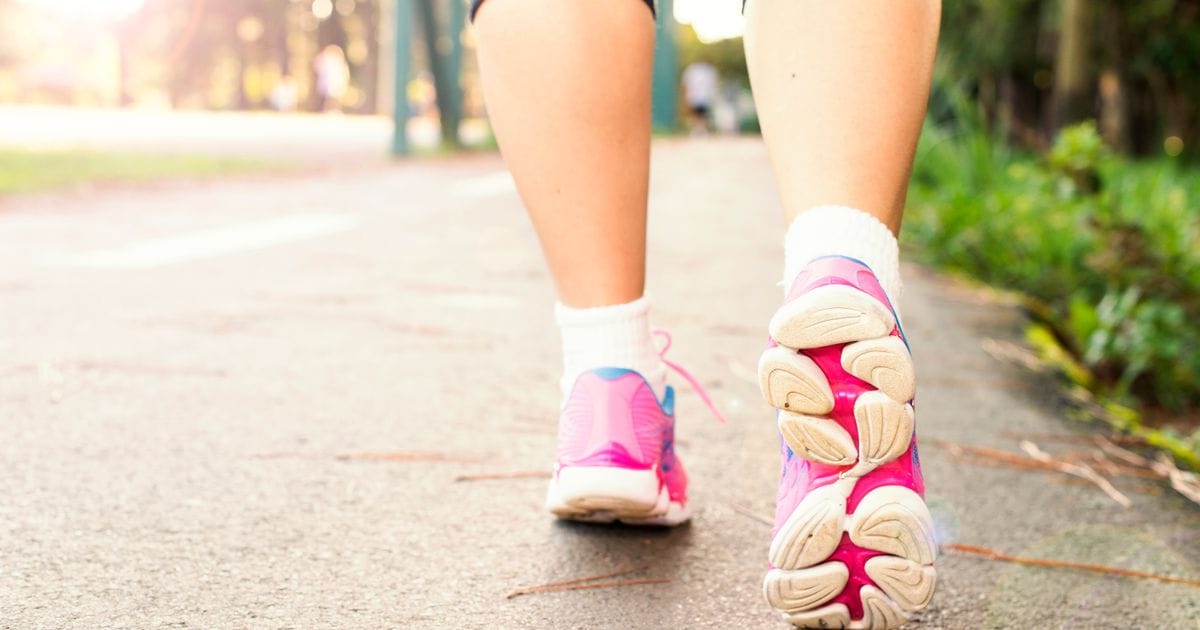
Movement after meals is one of the most effective natural tools for blood sugar control. Working muscles pull glucose out of the bloodstream for fuel, which lowers the post-meal peak. A 10 to 15 minute walk within an hour of eating is enough to make a difference for many people.
Timing beats intensity here. A gentle walk right after your largest meal often helps more than a hard workout hours later, because you are catching glucose while it is still rising. You do not need special gear or a gym.
Make it easy to repeat. Walk after dinner with a family member, take a loop around the block during a lunch break, or pace while on a phone call. Consistency over weeks is what steadies the trend.
Step 4: Build Muscle to Improve Insulin Sensitivity
Strength training improves how well your body handles glucose over time. Muscle is the largest site where your body stores and burns glucose, so having more of it, and using it, raises insulin sensitivity. This is a slower win than a post-meal walk, but it compounds.
You do not need heavy weights to start. Bodyweight squats, push-ups against a counter, resistance bands, or carrying groceries all count. Two or three short sessions a week is a reasonable starting point.
The payoff shows up between meals and overnight, when better insulin sensitivity means your fasting numbers trend down. Pair strength work with the walking habit for the strongest combined effect.
Step 5: Protect Your Sleep
Short sleep works against blood sugar control, even when your diet is solid. When you sleep too little, your cells respond less efficiently to insulin and your body releases more stress hormones that push glucose up. One rough night can nudge the next day's readings higher.
Aim for a consistent schedule rather than chasing a perfect number. Going to bed and waking at similar times anchors your body's rhythms, which supports steadier glucose. A dark, cool, screen-free bedroom helps most people fall asleep faster.
If you snore heavily or wake unrefreshed despite enough hours, ask a doctor about sleep apnea. It is common, treatable, and closely tied to glucose problems.
Step 6: Manage Everyday Stress
Stress raises blood sugar through hormones, not just willpower. When you are tense, your body releases cortisol and adrenaline, which tell the liver to release stored glucose for a quick energy burst. Useful in an emergency, unhelpful when it happens all day at a desk.
You cannot remove stress, but you can lower its grip. A few minutes of slow breathing, a short walk, time outdoors, or a brief break between tasks can pull the stress response back down. These also pair naturally with the movement steps above.
Watch the second-order effect too. Stress often drives sweet, starchy snacking, so calming the trigger protects both your mood and your glucose at once.
Step 7: Mind Your Hydration and Timing
Steady habits around fluids and meal timing support everything else. Water helps your kidneys clear excess glucose, and staying hydrated is a low-effort way to avoid falsely high readings from dehydration. Sugary drinks do the opposite, delivering a fast glucose load with little to slow it.
Meal spacing can help as well. Very large, late meals tend to produce bigger spikes and disturb sleep, which then feeds back into higher glucose the next day. A lighter evening meal, eaten earlier, often reads better.
These are small levers. They will not replace food order or movement, but they remove friction and make the bigger steps easier to sustain.
Step 8: Track Progress Without Obsessing
Tracking should guide your habits, not consume your day. The goal is to spot patterns, such as which meals spike you and whether evening walks help, then adjust. Checking a few things well beats recording everything and burning out.
Start simple. Note what you eat for a handful of meals, add a short daily reading if you use a glucose meter or monitor, and look for trends over a week rather than reacting to every number. If you use a continuous glucose monitor, treat its graph as feedback on experiments like food order, not as a scoreboard.
At Myhealthytopics, our guides and community forum are built around exactly this kind of steady, low-pressure tracking, so you can compare notes with others testing the same habits. To understand the bigger picture behind these numbers, start with our primer on what metabolic health actually means.
Why It Pays to Lower Blood Sugar Naturally Now
Rising glucose is not a problem only for older adults. In 2023, an estimated 32.7% of U.S. teens aged 12 to 17 had prediabetes, roughly one in three, according to CDC data, though changes in how the data was gathered make year-to-year comparisons tricky (STAT News, 2025).
Even with that debate, the direction is a reasonable prompt to act early. The eight steps here are low-risk, cheap, and useful whether your numbers are normal, borderline, or already high. They work best stacked together and repeated, not perfected once.
Pick one step to start this week. Walking after your largest meal is the easiest place to begin, and it pays off from the very first day. If your readings stay high despite consistent effort, bring your notes to a doctor so you can decide on next moves together.
Frequently asked questions
What is the fastest way to lower blood sugar naturally after a meal?
A 10 to 15 minute walk soon after eating is one of the simplest options. Moving muscles use glucose for fuel, which helps pull it out of the bloodstream and softens the post-meal peak.
Can I lower blood sugar naturally without medication?
Many people improve blood sugar control with food, movement, sleep, and stress habits, especially in the prediabetes range. Keep working with your doctor, since some conditions still need medication, and never stop a prescription on your own.
Which foods help lower blood sugar naturally?
Non-starchy vegetables, beans, whole grains, nuts, and lean protein tend to raise glucose slowly. Eating these before bread, rice, or dessert gives you the benefit of food order within the same meal.
How long does it take to see results?
Some changes, like post-meal walking or food order, affect a single meal immediately. Broader shifts in fasting glucose and A1c usually take several weeks to a few months of consistent habits.
Is prediabetes reversible with lifestyle changes?
Prediabetes can often be improved, and sometimes returned to a normal range, through sustained changes in diet, activity, weight, and sleep. Earlier action generally gives better odds, so it helps to start before numbers climb further.