


Key takeaways
- Home blood pressure monitoring catches readings a single clinic visit can miss, including white coat and masked hypertension.
- Use an automatic upper-arm monitor with a correctly sized cuff, and check it against your clinic's device once.
- Sit with your back supported and feet flat, rest five minutes, place the cuff on a bare upper arm at heart height, and stay quiet during the reading.
- Take at least two readings one to two minutes apart, at the same time each day, and log them.
- A reading above 180/120 mm Hg with symptoms is a medical emergency; call for help immediately.
Home blood pressure monitoring is accurate and useful when you use a validated upper-arm monitor, sit quietly for five minutes first, and take at least two readings at the same time each day. Done right, it gives you and your doctor a clearer picture of your heart health than an occasional clinic check.
High blood pressure is common and often silent. The Centers for Disease Control and Prevention reports that 48.1% of U.S. adults have high blood pressure, yet only about 1 in 3 people with the condition have it under control. Checking your own numbers at home is one of the most practical steps you can take to close that gap.
Why Home Blood Pressure Monitoring Matters
A single clinic reading is a snapshot. Your blood pressure shifts through the day with activity, stress, sleep, and food, so one number in a busy office does not always reflect your everyday levels.
Two patterns make home monitoring especially valuable:
- White coat effect. Some people read high in a medical setting simply because of nerves, which can lead to a diagnosis or dose change that does not match daily life.
- Masked hypertension. The reverse also happens. Readings look fine in the office but run high the rest of the time, hiding a real risk.
Measuring blood pressure at home over several days captures both patterns. It also helps you see whether a lifestyle change or medication is working, instead of waiting months between appointments. Pairing blood pressure with other trends you already track gives a fuller view of how your cardiovascular system responds to stress and recovery.
Choosing an Accurate Monitor
The device you pick shapes the quality of every reading. A few features matter more than price or brand.
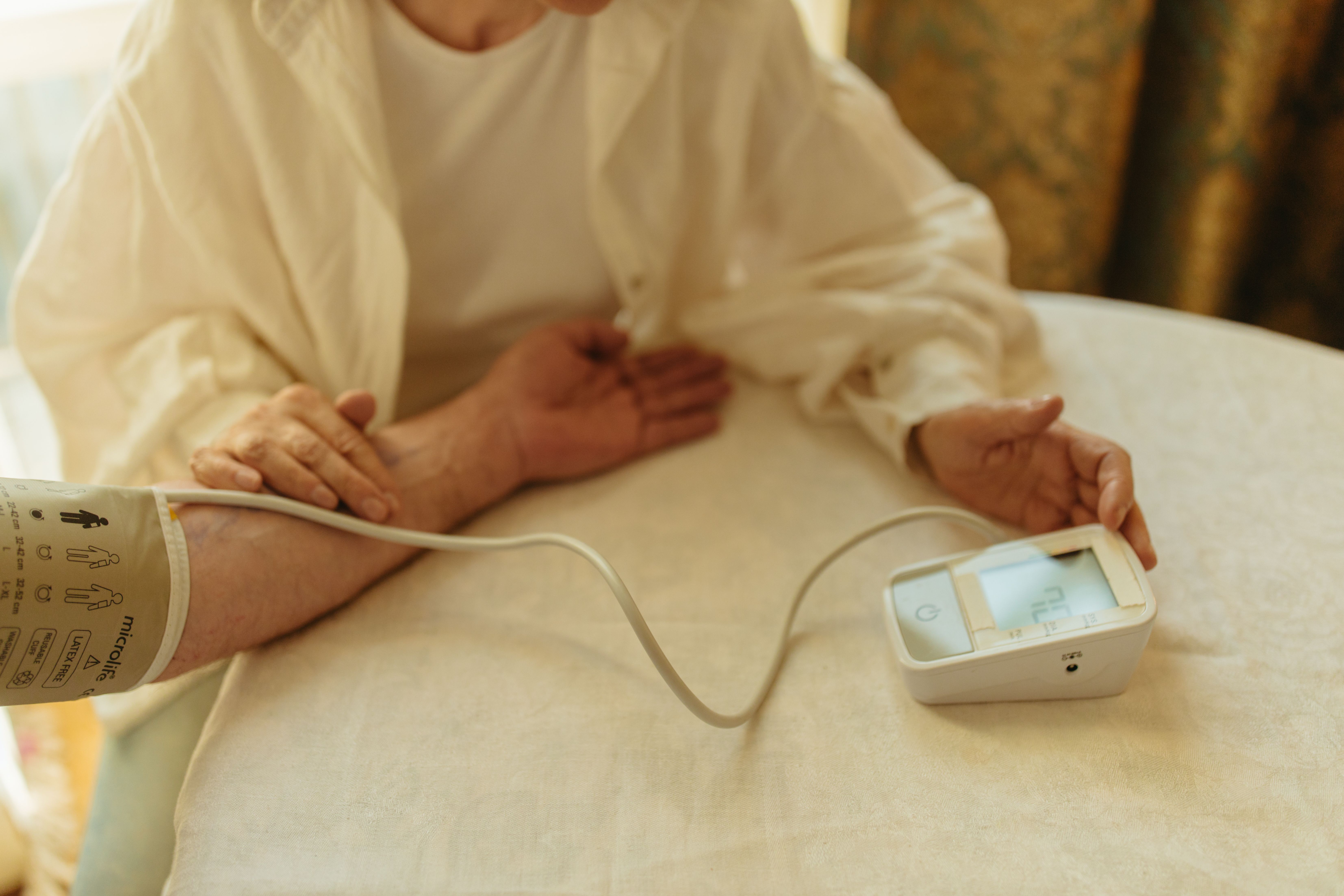
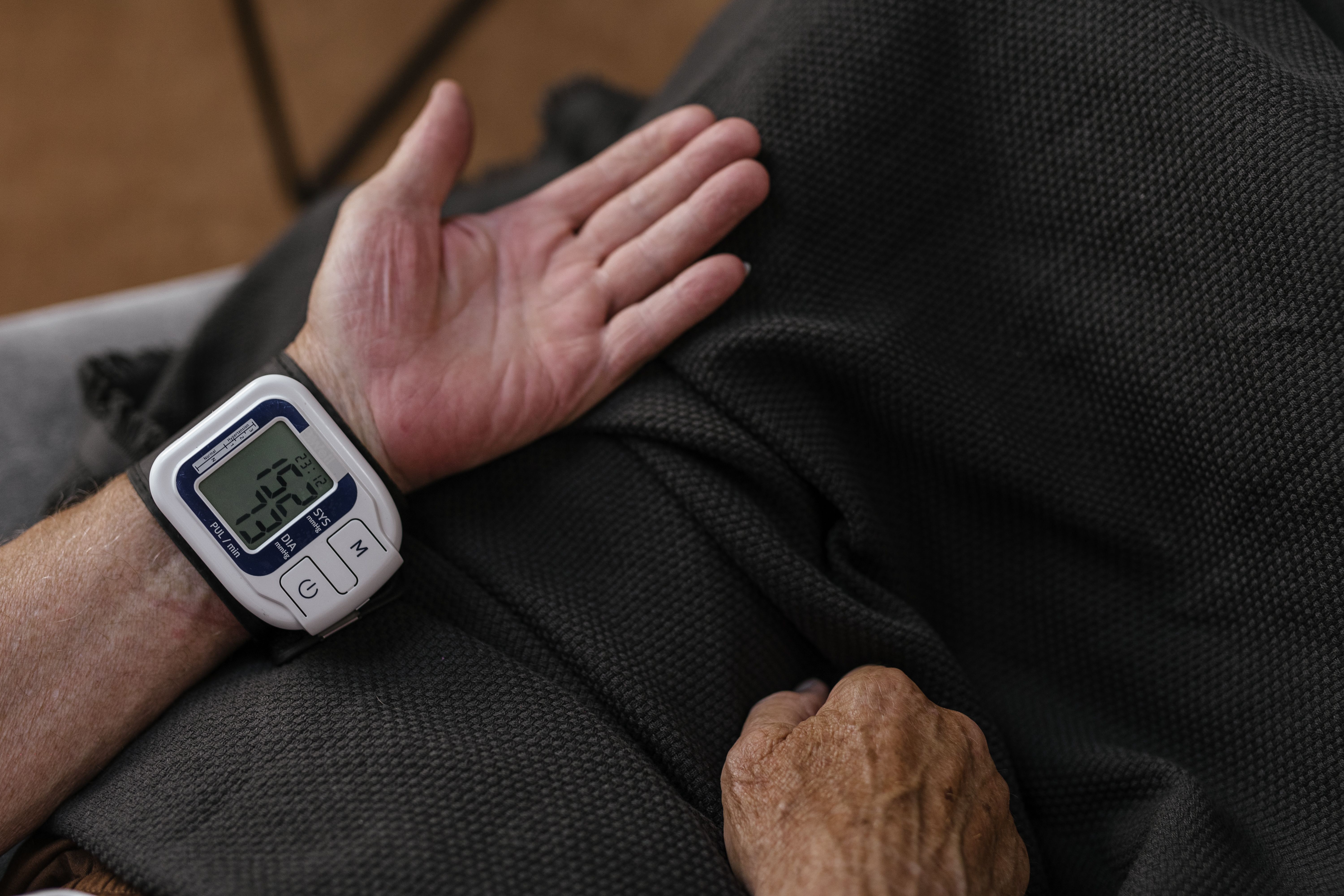
Go with an upper-arm monitor. Automatic upper-arm cuffs are the standard for home use. Wrist and finger monitors are convenient but far more sensitive to position, which makes consistent accuracy harder.
Check that it is validated. Look for a monitor that has been clinically validated for accuracy. Many national heart organizations publish lists of validated devices, so you can confirm before you buy.
Get the right cuff size. A cuff that is too small reads high; one that is too large reads low. Measure around your bare upper arm at the midpoint and match that to the manufacturer's size chart. This single detail is one of the most common reasons home readings go wrong.
Confirm it against the clinic. Bring your monitor to your next appointment and take a reading alongside the office device. If the numbers are close, you can trust your home results.
Myhealthytopics keeps evidence-based guides on selecting health devices, and our health buyer's guide to trackers and monitors walks through the validation and fit checks worth making before you commit to any device.
Proper Measurement Technique, Step by Step
Technique affects your reading as much as the hardware. The U.S. government's guidance on how to measure your blood pressure breaks the process into clear steps. Here is how to do it correctly.
Before you measure
- Avoid caffeine, alcohol, smoking, and exercise for at least 30 minutes beforehand.
- Empty your bladder. A full bladder can nudge the reading up.
- Sit quietly for at least five minutes in a comfortable chair with your back supported.
Position your body
- Keep both feet flat on the floor and your legs uncrossed.
- Rest your arm on a table so the cuff sits at the level of your heart.
- Relax. Do not clench your fist or tense your arm.
Place the cuff and read
- Put the cuff on a bare upper arm, not over a sleeve.
- Make sure it fits snugly without pinching.
- Stay quiet during the measurement. Talking can raise the result.
- Take at least two readings one to two minutes apart, and record each one.
Measure at the same time each day, such as morning and evening, so your log reflects a consistent pattern rather than random moments. Small habits elsewhere in your routine, including sleep quality and recent meals, can move these numbers, which is another reason steady timing helps you spot real changes.
Understanding Your Numbers
Every reading has two numbers. The top number, systolic pressure, is the force when your heart beats. The bottom number, diastolic pressure, is the pressure between beats. Both are measured in millimeters of mercury, written as mm Hg.
Here is how blood pressure categories break down:
| Category | Systolic (mm Hg) | Diastolic (mm Hg) |
|---|---|---|
| Normal | Less than 120 | and less than 80 |
| Elevated | 120 to 129 | and less than 80 |
| High, stage 1 | 130 to 139 | or 80 to 89 |
| High, stage 2 | 140 or higher | or 90 or higher |
| Hypertensive crisis | Higher than 180 | and/or higher than 120 |
One important nuance: home readings tend to run slightly lower than office readings. Many clinicians treat 135/85 mm Hg at home as the equivalent of 140/90 mm Hg in the clinic for diagnosing high blood pressure. If your readings hover near these thresholds, keep logging and share the record with your doctor.
A single high reading is rarely cause for alarm. What matters is the trend across days and weeks. That is exactly why keeping a log, rather than reacting to one number, is the point of home monitoring.
When to Contact Your Doctor
Routine monitoring should feed into regular conversations with your clinician, not replace them. Reach out if any of the following apply.
- Consistently elevated readings. If your home numbers stay at or above 135/85 mm Hg across several days, book an appointment to discuss next steps.
- A sudden change. A clear upward shift from your usual range is worth a call, even if no single reading looks extreme.
- Readings while on medication. If you are being treated and your numbers are not improving, your doctor may need to adjust the plan.
Seek emergency care right away if you get a reading higher than 180/120 mm Hg, especially alongside symptoms such as chest pain, shortness of breath, severe headache, vision changes, or trouble speaking. This is a hypertensive crisis and needs immediate attention.
Your next step is simple: pick up a validated upper-arm monitor, confirm the cuff fits, and take a morning and evening reading every day for a week. Bring that log to your next appointment. A week of calm, correctly taken numbers tells your doctor far more than any single visit can, and it puts you in control of one of the most important measures of your long-term health.
Frequently asked questions
What is a normal blood pressure reading at home?
A reading below 120/80 mm Hg is considered normal. At home, many clinicians treat 135/85 mm Hg or higher as the threshold for high blood pressure, slightly lower than the clinic cutoff.
How many times should I measure my blood pressure?
Take at least two readings one to two minutes apart and record both. Measuring at the same time each day gives the most useful pattern for you and your doctor.
Is an upper-arm or wrist monitor better for home use?
Upper-arm monitors are generally more accurate and easier to position correctly. Wrist monitors are sensitive to arm and hand position, so most guidance favors a validated upper-arm device.
Why is my home reading different from the doctor's office?
Office readings can run high because of stress, a phenomenon called white coat hypertension. Home readings taken calmly often reflect your everyday blood pressure more accurately.
When should I see a doctor about my readings?
Contact your doctor if your home readings are consistently 135/85 mm Hg or higher. A reading above 180/120 mm Hg, especially with symptoms, needs emergency care.