


I still remember sitting on my balcony one evening, scrolling through social media and feeling like everyone else had life figured out. Perfect careers, glowing relationships, endless achievements.
My chest felt tight. Why can’t I measure up? That heavy, low self-esteem wasn’t new it followed me through tough rejections, constant comparisons, and those quiet moments of self-doubt.
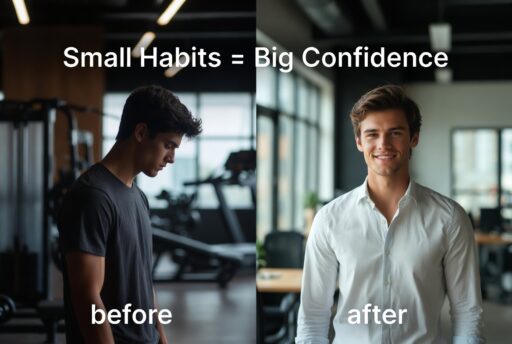
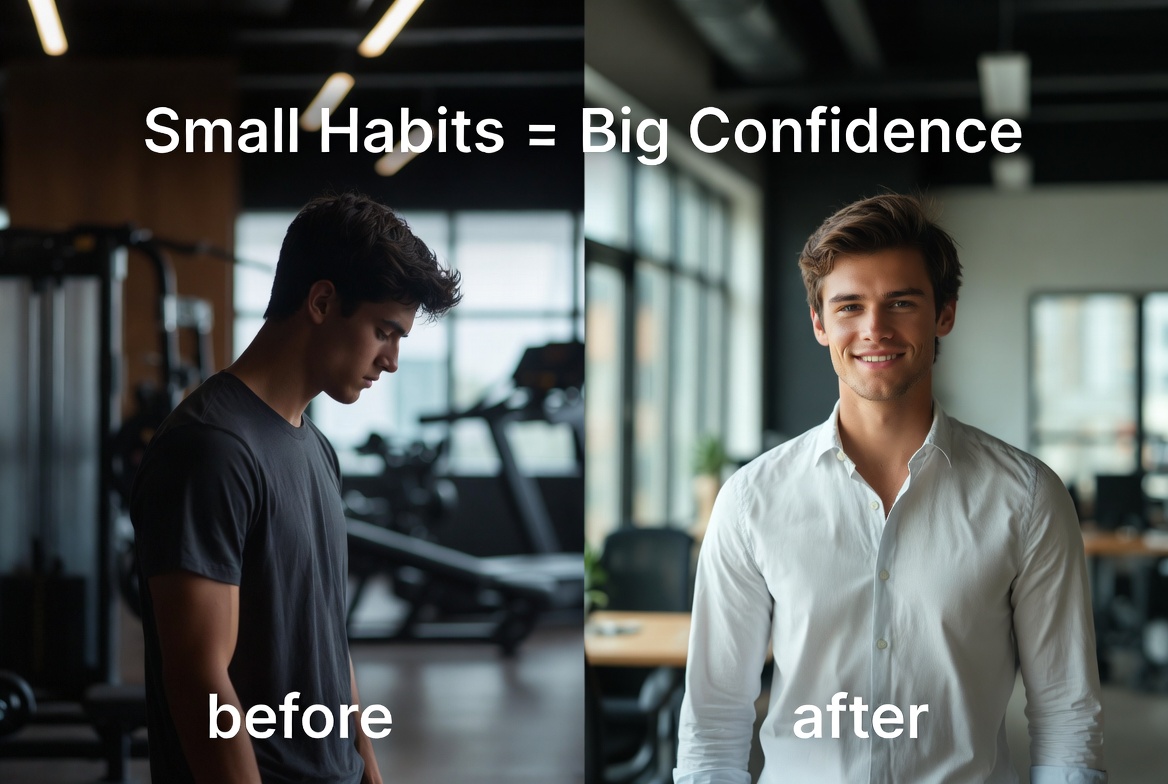
If you’re a young adult or working professional aged 18–35 struggling with low confidence, overthinking, and comparison, you’re not alone. The good news? Self-esteem isn’t fixed. It’s something you can build through small, consistent habits.
In this post, I’ll explore 8 healthy habits to improve your self-esteem that are backed by recent psychology research (2024–2026). These aren’t generic tips they’re practical strategies I have personally used during my own low points and seen work for many others. They focus on how to improve self-esteem naturally and build lasting self-confidence and self-worth.
Why Self-Esteem Matters More Than We Admit
Self-esteem is your core sense of worth the quiet belief that you are valuable, capable, and enough, even with imperfections. Low self-esteem often fuels anxiety, procrastination, people-pleasing, and missed opportunities. On the flip side, healthy self-esteem supports stronger relationships, better resilience, and greater life satisfaction.
The pressures of modern life endless social media comparison, competitive careers, and high expectations make it easy to feel “not enough.” But thanks to neuroplasticity, your brain can change. Consistent habits literally reshape how you think and feel about yourself.
Here are the 8 Habits.
Habit 1: Move Your Body Daily
Why it works: Regular physical activity increases endorphins, dopamine, and serotonin while improving body image and sense of competence. A 2026 research review strongly links exercise to higher self-esteem through better mood regulation and physical mastery.
How to practice it daily: Start simple with 20–30 minutes of movement you enjoy. A brisk walk, home workout, yoga, cycling, or dancing in your room. Consistency matters more than intensity.
Real example: A friend working in tech started 15-minute morning walks during a stressful project. Within a few weeks, she felt more energized and carried herself with greater confidence in meetings. “I proved to myself that I can follow through,” she shared.
Common mistakes: Waiting for motivation or comparing yourself to fitness influencers. Begin small and focus on how you feel afterward, not just appearance.
Key takeaway: Movement reminds your brain: I am capable and strong.
Habit 2: Practice Gratitude Daily
Why it works: Gratitude shifts focus from what’s lacking to what’s present. Studies and meta-analyses from 2025 show it boosts life satisfaction, reduces anxiety and depression symptoms, and works across different cultures and age groups.
How to practice it daily: Each evening or morning, note three specific things you’re grateful for. Be detailed the comfort of your morning coffee, finishing a task, or a kind message from a friend.
Real example: During a difficult job search, I started this habit. It gradually changed my inner narrative from constant lack to quiet appreciation, making space for real confidence to grow.
Common mistakes: Forcing positivity when you’re struggling. Gratitude doesn’t deny hard days it simply balances them.
Habit 3: Practice Short Mindfulness or Meditation
Why it works: Mindfulness reduces rumination and self-criticism while improving emotional regulation. Even brief daily sessions are effective for busy people, according to recent studies.
How to practice it: Spend 5–10 minutes a day focusing on your breath or doing a guided session (free apps like Insight Timer work well). Notice thoughts without judgment: “There’s that critical thought again.”
Real example: One colleague dealing with heavy overthinking began practicing during his commute. It helped him break the cycle of negative spirals and respond more calmly to challenges.
Common mistakes: Believing you need perfect conditions or long sessions. You can start in a quiet corner or even while waiting in line.
Habit 4: Reframe Your Self-Talk
Why it works: Harsh inner dialogue reinforces low self-worth. Research from 2025 confirms that reframing negative thoughts and using realistic self-affirmations improves self-perception and well-being.
How to practice it daily: Catch critical thoughts (“I always fail”), challenge them with evidence (“I’ve succeeded before”), and replace with balanced statements (“I’m learning and improving”). Say 2–3 kind affirmations while looking in the mirror.
Real example: Changing “I’m not good enough” to “I have strengths and I’m growing” helped a young professional move from avoiding presentations to confidently leading them.
Common mistakes: Using overly positive affirmations that feel untrue. Keep them realistic and grounded in truth.
Habit 5: Journal for Reflection and Wins
Why it works: Journaling helps process emotions, identify patterns, and recognize progress turning you from passive observer to active author of your story.
How to practice it: Spend 10 minutes in the evening answering: What went well today? What did I learn? What’s one small win?
Real example: A marketing professional used evening journaling to track achievements during a tough year. Seeing her growth written down rebuilt her sense of self-worth faster than she expected.
Common mistakes: Focusing only on negatives. Make sure to balance reflection with celebration.
Habit 6: Perform Small Acts of Kindness
Why it works: Helping others creates a sense of purpose, connection, and competence. It triggers the “helper’s high” and reflects your own value back to you.
How to practice daily: Do one small act compliment a colleague, check on a friend, help someone with a task, or volunteer occasionally.
Real example: Mentoring a junior team member reminded one person of his own skills and knowledge, boosting his confidence beyond his daily workload.
Common mistakes: Over-giving at the expense of your own energy. Healthy kindness includes self-kindness and boundaries.
Habit 7: Set and Celebrate Small Goals
Why it works: Completing goals builds self-efficacy the belief in your ability to succeed. Research on growth mindset shows this is fundamental to healthy self-esteem.
How to practice it: Break bigger aspirations into tiny daily or weekly goals: read 10 pages, complete one work task early, try a new recipe. Always celebrate the win.
Real example: Using micro-goals helped many overcome imposter syndrome by proving their capability through consistent action.
Common mistakes: All-or-nothing thinking. Missed a day? Simply begin again without self-punishment.
Habit 8: Curate Your Environment and Relationships
Why it works: Your surroundings and social circle heavily influence self-perception. Reducing comparison triggers and nurturing supportive connections protects and grows self-esteem.
How to practice it: Limit time on accounts that trigger comparison. Set boundaries with draining relationships. Surround yourself with encouraging people and create small reminders of your progress (photos, notes, achievements).
Real example: Cutting back on mindless scrolling and investing in quality friendships gave one young professional the mental space needed to grow genuine confidence.
Common mistakes: Complete isolation. Focus on quality over quantity even a few supportive connections make a big difference.
Your 30-Day Self-Esteem Building Challenge
Choose 3–4 habits to focus on and track your progress simply:
- Week 1: Movement + Gratitude
- Week 2: Add Mindfulness + Self-Talk
- Week 3: Journaling + Acts of Kindness
- Week 4: Goals + Environment tweaks
At the end of 30 days, review how you feel. Celebrate your effort. Remember, progress isn’t linear some days will be harder, and that’s okay.
You’ve already shown strength by reading this far and wanting to improve. Your worth isn’t defined by likes, titles, appearance, or others’ opinions. It comes from how you treat yourself and keep showing up.
Start with just one habit today. Be patient and kind to yourself in the process. Real self-esteem grows quietly through daily choices.
FAQ Section
1. How long does it take to see improvements in self-esteem?
Many notice positive shifts within 2–4 weeks of consistent practice, with deeper changes in 3–6 months.
2. Can these habits help with overthinking and comparison?
Yes especially mindfulness, gratitude, self-talk reframing, and curating your environment.
3. What if my low self-esteem feels overwhelming?
These habits are supportive tools. For severe struggles, consider working with a therapist or counselor.
4. Are affirmations actually effective?
Yes, particularly when they’re realistic and value-based, according to recent research.
5. Do I need to do all 8 habits at once?
No. Start with 2–3 that feel easiest and build from there.
6. Is exercise really essential for self-esteem?
Strong evidence shows it significantly boosts mood, body image, and confidence.
7. How can introverts benefit from these habits?
Most are flexible and solo-friendly journaling, movement, mindfulness, and goal-setting work especially well.
8. What’s the most important habit?
The one you’ll actually do consistently. Self-compassion while building these habits matters most.