
Common Form of Stroke May Not Be Due to Blocked Arteries, Study Finds
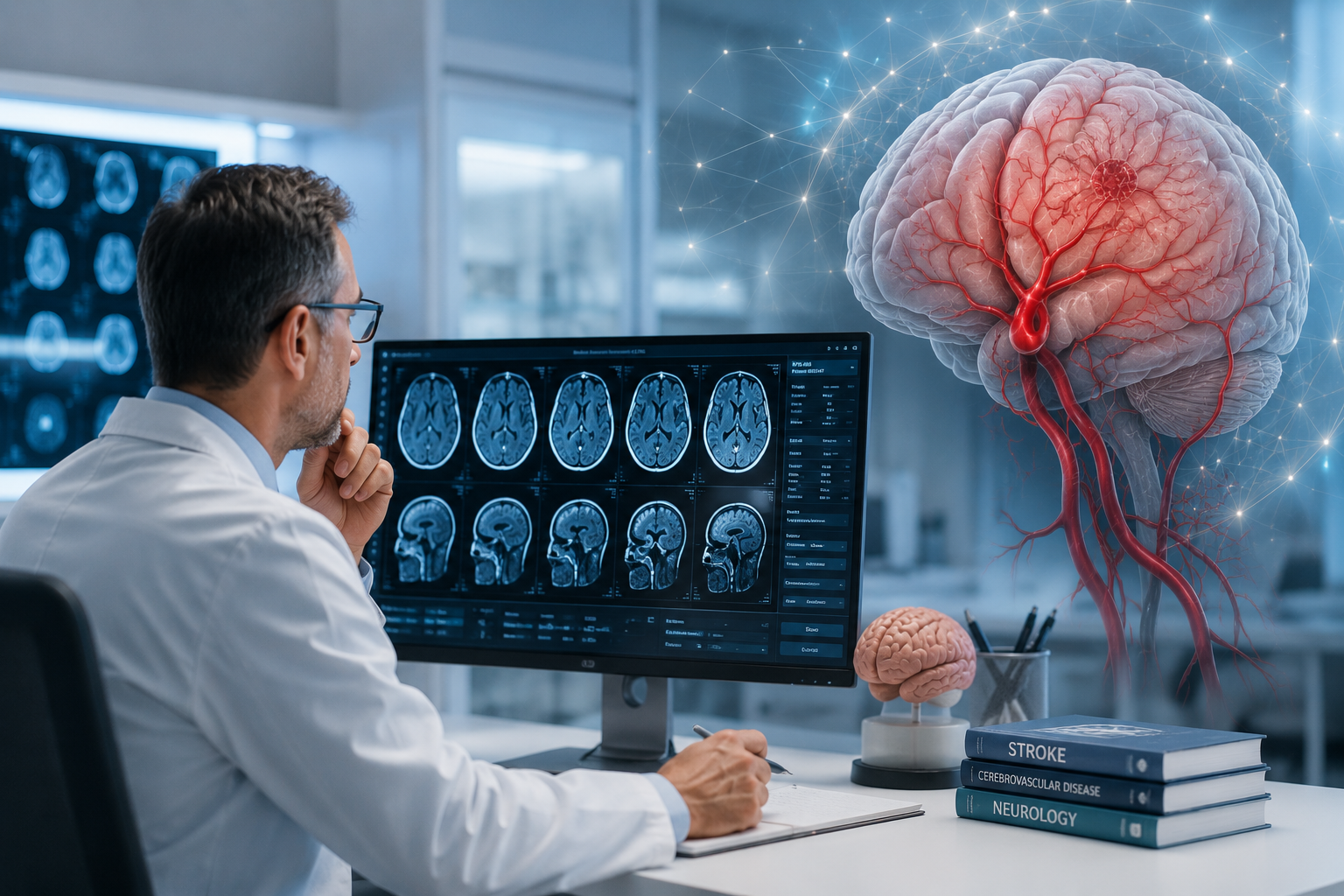
For years, many strokes have been linked to blocked arteries that reduce blood flow to the brain. But new research suggests that a common type of stroke may sometimes occur without major artery blockages, challenging long-held assumptions about how strokes develop.
The findings could change how doctors understand, diagnose, and treat certain stroke cases especially when the cause is unclear.
In this article, we’ll explain what the study found, how strokes happen, and what it may mean for future stroke prevention and care.
Understanding Stroke
A stroke occurs when blood flow to part of the brain is interrupted, depriving brain cells of oxygen and nutrients.
The Two Main Types of Stroke:
- Ischemic stroke: Caused by reduced blood flow or a clot
- Hemorrhagic stroke: Caused by bleeding in the brain
👉 Ischemic strokes are the most common type.
Traditional View: Blocked Arteries Cause Stroke
Doctors have long believed that many ischemic strokes happen because of:
- Fatty plaque buildup in arteries
- Blood clots blocking major vessels
- Narrowed arteries reducing blood flow to the brain
This understanding has shaped stroke treatment and prevention strategies for decades.
What the New Study Suggests
According to recent research, some common strokes may occur even when large arteries are not significantly blocked.
Researchers Found:
- Certain stroke patients showed little or no major artery blockage
- Other mechanisms such as inflammation, small vessel disease, or blood flow irregularities may play a larger role than previously thought
👉 This means stroke causes may sometimes be more complex than simply “blocked arteries.”
Possible Alternative Causes Being Studied
Researchers are now exploring several possible contributors to stroke risk.
1. Small Vessel Disease
Tiny blood vessels deep in the brain may become damaged over time due to:
- High blood pressure
- Diabetes
- Aging
This can reduce blood flow without major artery blockages.
2. Inflammation
Chronic inflammation may affect blood vessels and increase stroke risk even when arteries appear relatively clear.
3. Irregular Blood Flow or Heart Rhythm Issues
Conditions like atrial fibrillation (AFib) can cause clots to form and travel to the brain.
4. Blood Vessel Dysfunction
Some blood vessels may not function properly even if they are not physically blocked.
Why This Research Matters
The study could lead to:
- More personalized stroke prevention strategies
- Improved diagnosis for unexplained strokes
- Better understanding of hidden stroke risks
It also highlights the importance of looking beyond artery blockages when evaluating patients.
Also read: Stroke Emergency: What Happens at the ER Could Save Your Life
Stroke Symptoms Still Require Immediate Attention
Regardless of the cause, stroke symptoms should never be ignored.
Use the FAST Method:
- F – Face drooping
- A – Arm weakness
- S – Speech difficulty
- T – Time to call emergency services
Other symptoms may include:
- Sudden dizziness
- Vision problems
- Severe headache
- Confusion
👉 Immediate treatment can reduce brain damage and improve recovery.
Can Stroke Risk Still Be Reduced?
Yes. Many lifestyle habits that support heart health also help protect the brain.
Important Prevention Steps:
- Control blood pressure
- Manage diabetes and cholesterol
- Stay physically active
- Avoid smoking
- Maintain a healthy diet
- Get regular medical checkups
What This Means for the Future
Researchers hope these findings will encourage:
- Better stroke screening methods
- More advanced imaging techniques
- New approaches to prevention and treatment
As science evolves, doctors may gain a deeper understanding of why strokes happen and how to stop them before they occur.
Final Thoughts
The idea that a common form of stroke may not always be caused by blocked arteries is reshaping how experts think about brain health and vascular disease. While more research is needed, the findings suggest that stroke risk is more complex than previously understood.
What remains unchanged is the importance of early recognition, rapid treatment, and healthy lifestyle habits to protect both the heart and brain.