


When a Stroke Strikes: What to Expect at the Emergency Room
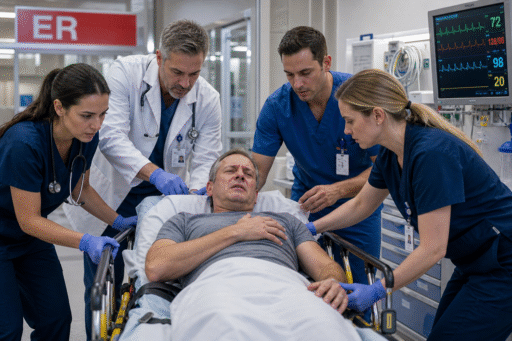
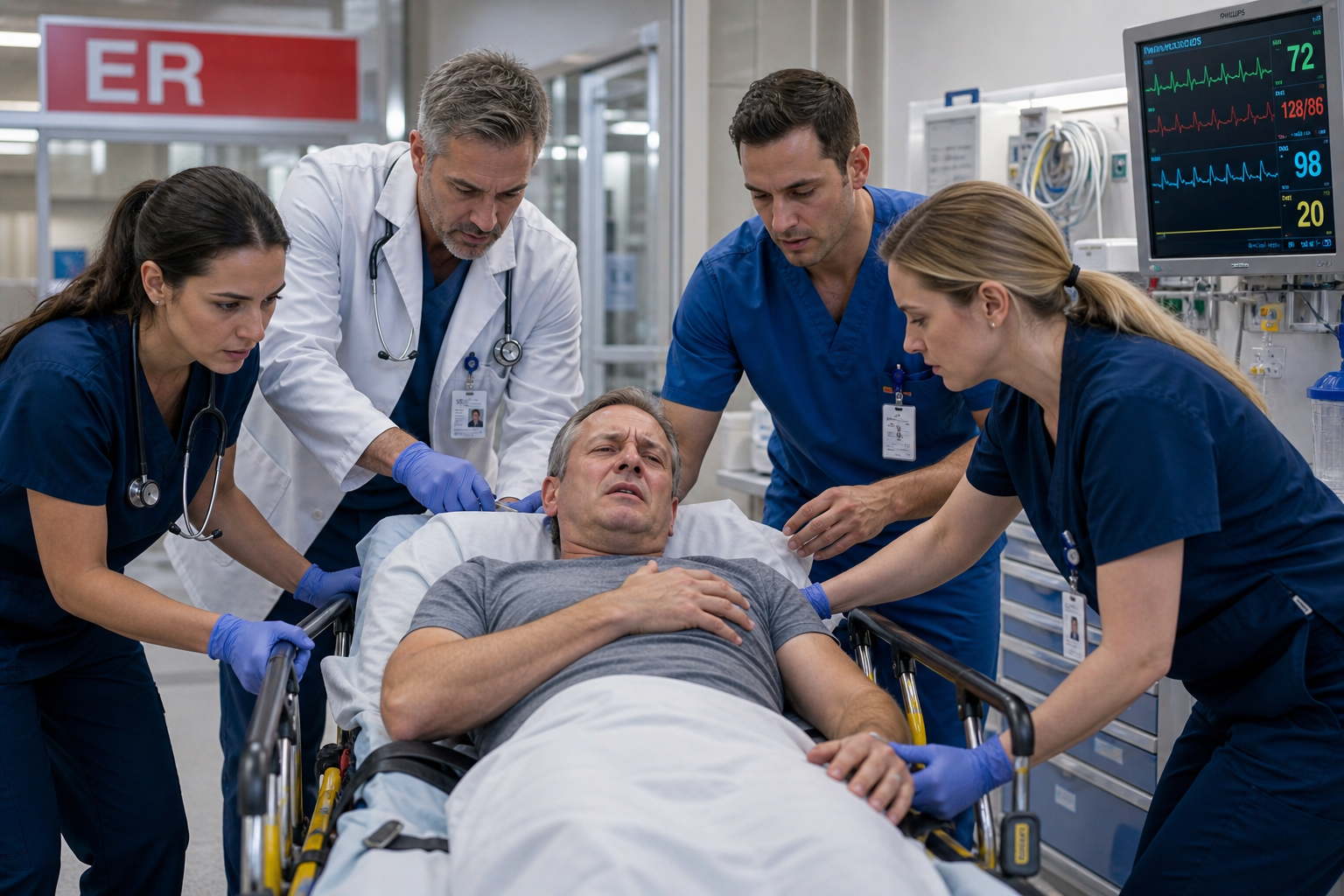
A stroke is a medical emergency that requires immediate attention. Knowing what happens at the emergency room (ER) can reduce fear, speed up treatment, and improve outcomes. Every minute matters quick action can save brain function and even lives.
In this guide, we’ll walk you through what to expect at the emergency room when a stroke strikes, from arrival to diagnosis and treatment.
Recognizing a Stroke: Act FAST
Before getting to the ER, it’s crucial to recognize stroke symptoms quickly. Use the FAST method:
- F – Face drooping: One side of the face may sag
- A – Arm weakness: Difficulty raising one arm
- S – Speech difficulty: Slurred or hard-to-understand speech
- T – Time to call emergency services: Act immediately
👉 Other symptoms may include sudden confusion, vision problems, dizziness, or severe headache.
Also read: Can Fruits and Vegetables Cause Lung Cancer? Here’s the Truth
What Happens When You Arrive at the ER
1. Immediate Triage and Assessment
Upon arrival, medical staff will prioritize stroke symptoms as urgent.
- Vital signs are checked (blood pressure, heart rate, oxygen levels)
- You may be asked when symptoms started
- A quick neurological exam will be performed
Why it matters: Treatment options depend heavily on how much time has passed since symptoms began.
2. Rapid Imaging Tests
Doctors need to determine whether the stroke is ischemic (caused by a clot) or hemorrhagic (caused by bleeding).
Common Tests:
- CT scan: Often the first test to detect bleeding
- MRI: Provides more detailed brain images
👉 These tests are critical for choosing the right treatment.
3. Blood Tests and Medical History
You may undergo blood tests to check:
- Blood sugar levels
- Clotting ability
- Overall health status
Doctors will also ask about:
- Medications
- Existing health conditions
- Previous strokes or heart issues
Also read: Alzheimer’s Disease
Treatment Options in the Emergency Room
For Ischemic Stroke (Most Common)
Clot-Busting Medication (tPA)
- Must be given within a specific time window (usually within 3–4.5 hours)
- Helps dissolve the clot and restore blood flow
Mechanical Thrombectomy
- A procedure to physically remove the clot
- Used in certain cases, often within a longer time window
For Hemorrhagic Stroke
- Medications to control bleeding and reduce pressure
- Possible surgery to repair blood vessels or relieve pressure
Monitoring and Stabilization
After initial treatment, the medical team will:
- Monitor brain function and vital signs
- Manage blood pressure and oxygen levels
- Prevent complications such as swelling or additional strokes
Patients are often admitted to a stroke unit or intensive care unit (ICU) for close observation.
What Happens After the ER?
Recovery doesn’t stop in the emergency room.
Next Steps May Include:
- Rehabilitation (physical, speech, or occupational therapy)
- Medications to prevent future strokes
- Lifestyle changes for long-term health
Why Speed Is Critical
The phrase “time is brain” is often used in stroke care.
- Millions of brain cells can be lost every minute during a stroke
- Faster treatment increases the chances of recovery
- Early intervention reduces long-term disability
How to Prepare (Just in Case)
While no one expects a stroke, being prepared can help:
- Know the warning signs
- Keep a list of medications and medical history
- Act immediately don’t wait for symptoms to improve
Final Thoughts
A stroke can be overwhelming, but understanding what happens in the emergency room can make a critical difference. From rapid assessment to life-saving treatment, every step is designed to protect the brain and improve recovery outcomes.
If you ever suspect a stroke, don’t hesitate seek emergency care immediately. Quick action can save a life, possibly your own or someone you love.