


Introduction
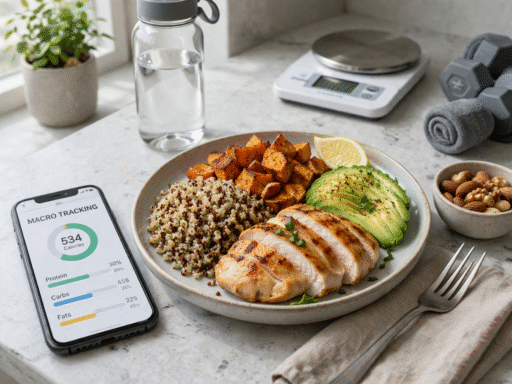
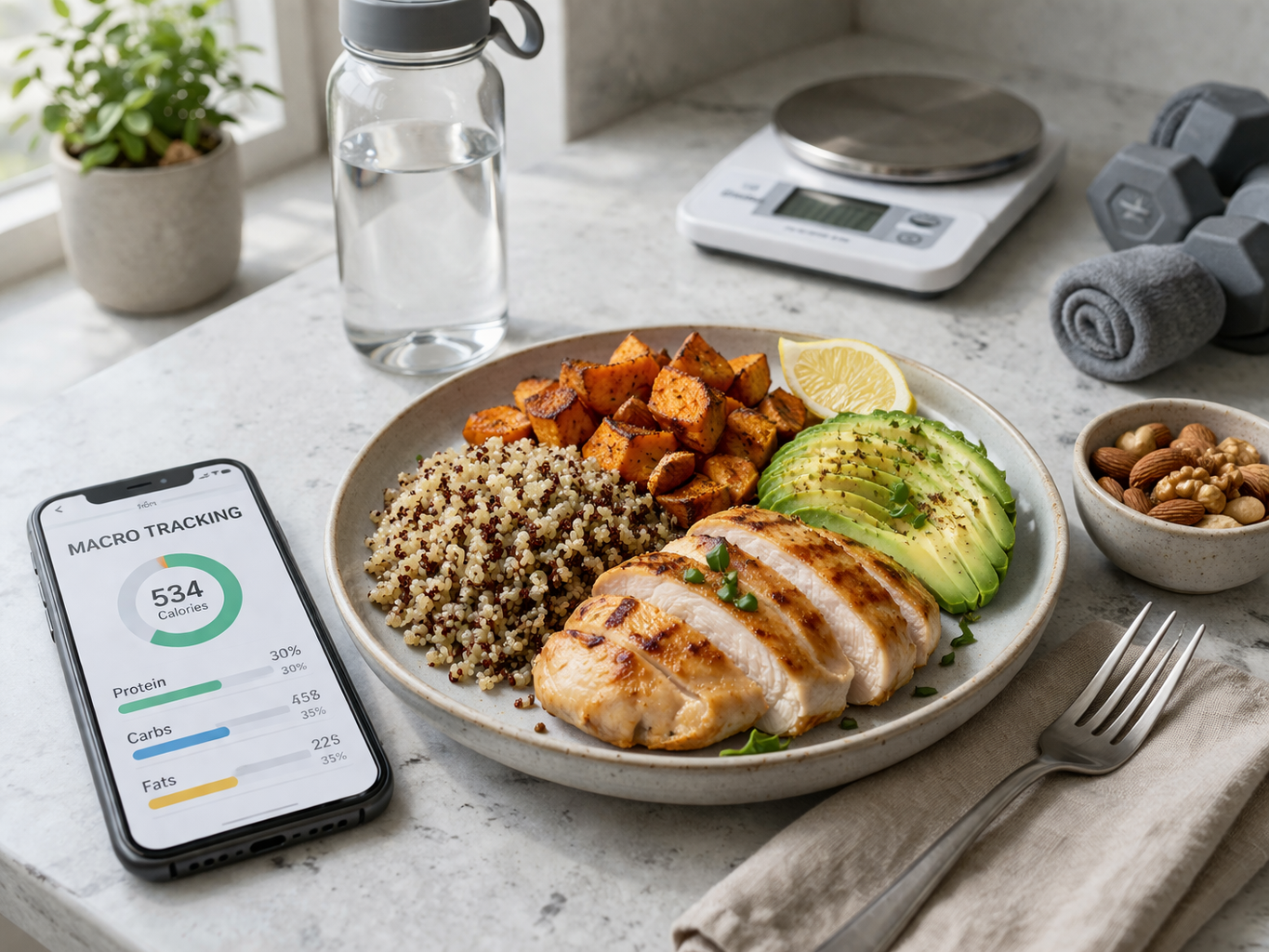
If you’ve tried traditional calorie-counting diets without long-term success, a macro-based eating plan might be the solution. Also known as “tracking macros” or flexible dieting, this approach focuses on balancing protein, carbohydrates, and fats rather than simply cutting calories.
The result? A more sustainable, flexible, and effective way to lose weight without giving up your favorite foods.
What Is a Macro-Based Eating Plan?
A macro-based diet revolves around tracking your daily intake of the three macronutrients:
- Protein (supports muscle and metabolism)
- Carbohydrates (your body’s main energy source)
- Fats (essential for hormones and overall health)
Instead of labeling foods as “good” or “bad,” this method focuses on meeting daily macro targets that align with your weight loss goals.
Why Macros Matter for Weight Loss
Weight loss ultimately depends on a calorie deficit burning more calories than you consume. However, macros influence how your body uses those calories.
Key Benefits of Tracking Macros:
- Preserves muscle mass during weight loss
- Keeps you feeling full and satisfied longer
- Provides steady energy levels
- Allows for diet flexibility, reducing binge cycles
This makes macro-based dieting one of the most popular strategies in modern fitness and nutrition.
Step 1: Calculate Your Daily Calorie Needs
Before setting your macros, you need to determine your daily calorie target.
Basic Method:
- Estimate your maintenance calories (using an online calculator)
- Subtract 300–500 calories for weight loss
This creates a sustainable calorie deficit without extreme restriction.
Step 2: Set Your Macro Ratios
Once you have your calorie target, divide it into macros.
Common Macro Ratios for Weight Loss:
- Protein: 25–35%
- Carbs: 35–45%
- Fats: 20–30%
Example (2,000 Calories):
- Protein: 150g (30%)
- Carbs: 200g (40%)
- Fats: 67g (30%)
Tip: Higher protein intake is especially beneficial for fat loss and muscle retention.
Step 3: Track Your Macros
To stay consistent, use tracking tools such as:
- MyFitnessPal
- Cronometer
- Lose It!
These apps help you log meals, monitor macros, and stay within your targets.
Step 4: Choose the Right Foods
While macros give flexibility, food quality still matters.
Best Foods for Each Macro:
Protein:
- Chicken, turkey, fish
- Eggs, Greek yogurt
- Plant-based proteins (beans, lentils)
Carbohydrates:
- Whole grains (brown rice, oats)
- Fruits and vegetables
- Sweet potatoes, quinoa
Healthy Fats:
- Avocados
- Nuts and seeds
- Olive oil
Step 5: Plan Your Meals
Meal planning makes macro tracking easier and more consistent.
Sample Day (Balanced Macros):
- Breakfast: Oatmeal with protein powder and berries
- Lunch: Grilled chicken, brown rice, and vegetables
- Snack: Greek yogurt with almonds
- Dinner: Salmon, quinoa, and steamed broccoli
Tips for Success on a Macro Diet
- Be consistent, not perfect – occasional deviations are okay
- Prep meals in advance to save time
- Adjust macros as needed based on progress
- Stay hydrated and active
- Focus on long-term habits, not quick fixes
Common Mistakes to Avoid
- Ignoring calorie intake while tracking macros
- Eating highly processed foods just to “fit macros”
- Setting unrealistic macro targets
- Skipping protein intake
A balanced approach is key to sustainable results.
Benefits of a Macro-Based Weight Loss Plan
- Flexible eating (no strict food restrictions)
- Sustainable long-term results
- Improved body composition
- Better relationship with food
- Supports both fat loss and muscle maintenance
Frequently Asked Questions (FAQs)
Do I need to track macros forever?
No. Many people use it as a learning tool, then transition to intuitive eating.
Is macro tracking better than calorie counting?
It can be, because it focuses on nutrient quality and balance, not just numbers.
Can beginners follow a macro diet?
Yes. With simple tools and guidance, it’s beginner-friendly and highly effective.
Final Thoughts
Learning how to lose weight on a macro-based eating plan can transform your approach to dieting. Instead of restriction, you gain control, flexibility, and sustainable results.
By focusing on the right balance of protein, carbs, and fats, you can lose weight, maintain muscle, and enjoy your meals all at the same time.






Anieje