

What Is Metastatic Breast Cancer?
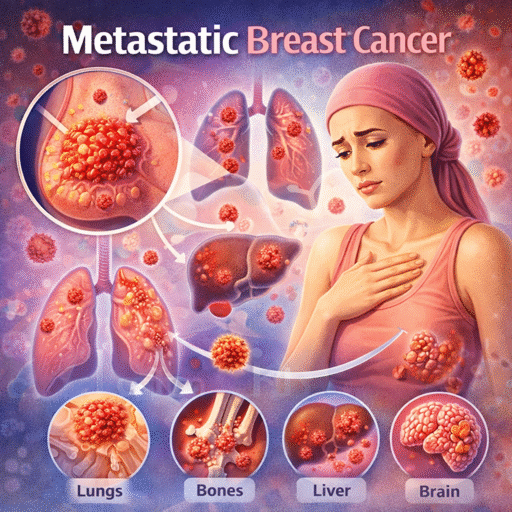
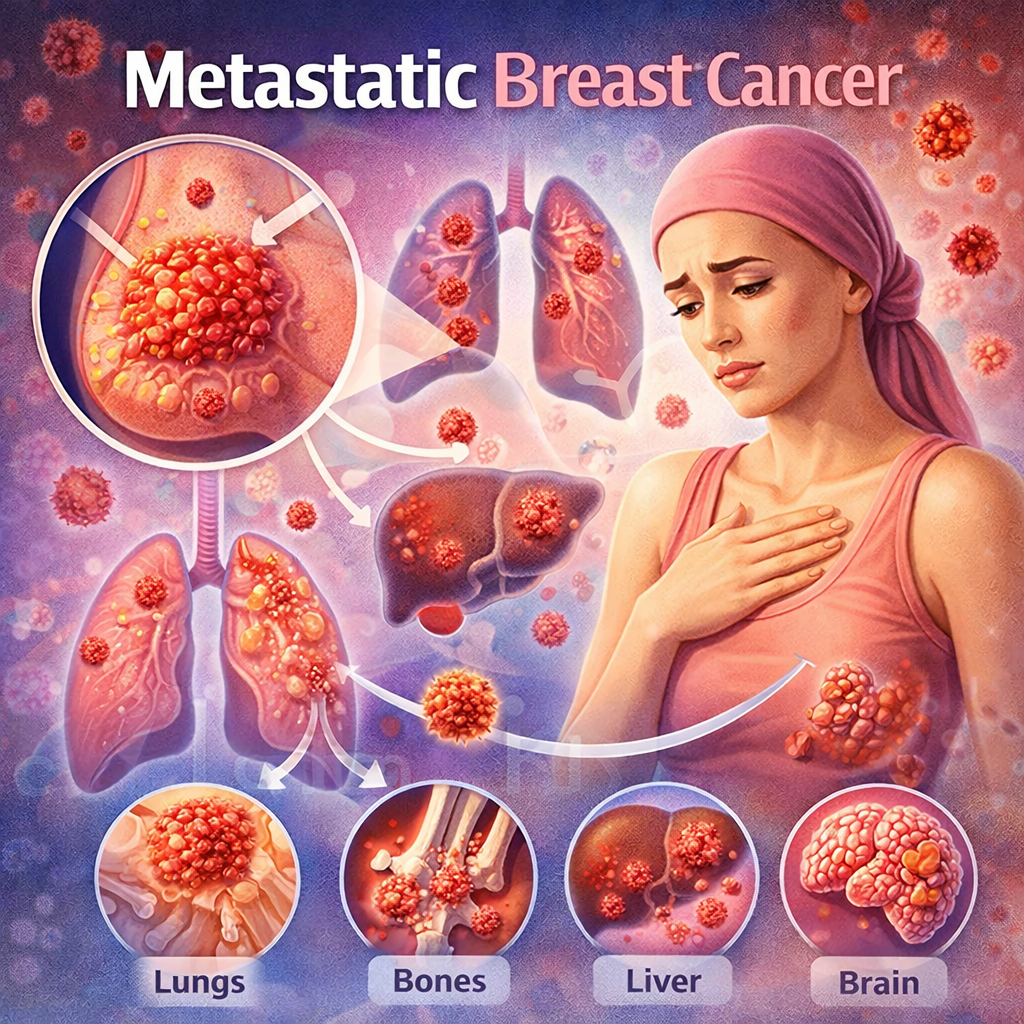
Metastatic breast cancer, also known as stage 4 breast cancer, occurs when cancer cells spread beyond the breast to other parts of the body. Common areas include the bones, lungs, liver, and brain.
Unlike early-stage breast cancer, metastatic breast cancer is not considered curable. However, it is treatable, and many patients live for years with proper medical care and lifestyle support.
Common Symptoms of Metastatic Breast Cancer
Symptoms depend on where the cancer has spread. Some of the most reported signs include:
Bone metastasis: Persistent bone pain, fractures
Lung metastasis: Shortness of breath, chronic cough
Liver metastasis: Jaundice, abdominal swelling
Brain metastasis: Headaches, dizziness, seizures
General symptoms may include:
Fatigue
Unexplained weight loss
Loss of appetite
If you notice persistent or unusual symptoms, consult a healthcare professional promptly.
Causes and Risk Factors
Metastatic breast cancer develops when cancer cells break away from the original tumor and travel through the bloodstream or lymphatic system.
Key risk factors include:
History of breast cancer (especially aggressive types)
Late diagnosis or incomplete treatment
Hormone receptor-negative cancers
HER2-positive or triple-negative breast cancer
How Is Metastatic Breast Cancer Diagnosed?
Diagnosis typically involves a combination of:
Imaging tests: CT scans, PET scans, MRI
Biopsy: Confirms cancer type and receptor status
Blood tests: Evaluate organ function and tumor markers
Accurate diagnosis helps doctors create a personalized treatment plan.
Treatment Options for Metastatic Breast Cancer
Treatment focuses on controlling the disease, relieving symptoms, and improving quality of life.
1. Hormone Therapy
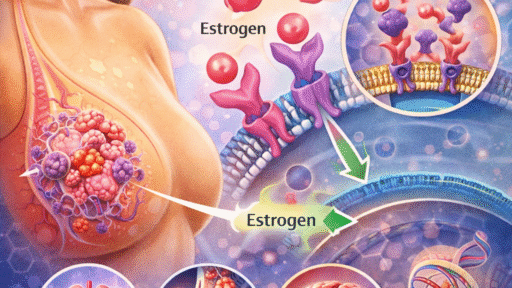
Used for hormone receptor-positive cancers to block estrogen or progesterone.
2. Chemotherapy
Helps destroy rapidly growing cancer cells throughout the body.
3. Targeted Therapy
Drugs like HER2-targeted treatments attack specific cancer proteins.
4. Immunotherapy
Boosts the immune system to fight cancer cells, especially in certain advanced cases.
5. Radiation Therapy
Used to relieve pain or shrink tumors in specific areas.
6. Surgery
Less common but may be used in selected cases.
Life Expectancy and Survival Rates
While metastatic breast cancer is serious, survival rates have improved significantly due to medical advancements.
The 5-year survival rate varies but is approximately 25–30%, depending on multiple factors.
Many patients live longer with modern therapies and ongoing clinical trials.
Factors influencing prognosis:
Cancer subtype
Response to treatment
Overall health
Living With Metastatic Breast Cancer
Managing metastatic breast cancer involves both medical and emotional support:
Regular follow-ups with oncology specialists
Balanced diet and physical activity
Mental health support and counseling
Support groups and community resources
Prevention and Early Detection
While metastatic breast cancer cannot always be prevented, early detection of breast cancer reduces the risk of progression.
Key steps:
Routine mammograms
Breast self-exams
Awareness of family history
Healthy lifestyle choices
Final Thoughts
Metastatic breast cancer is a complex condition, but advances in treatment are helping patients live longer and better lives. Early detection, personalized therapy, and ongoing research continue to improve outcomes.
If you or a loved one is facing metastatic breast cancer, consult a qualified healthcare provider to explore the best treatment options available.