


Key takeaways
- HRV measures the tiny timing differences between heartbeats, and a higher, stable reading generally signals a nervous system that adapts well to stress.
- There is no universal good number for HRV. Your own baseline, tracked over weeks, matters far more than any population average.
- Low HRV often reflects accumulated stress, poor sleep, alcohol or illness, so a single low reading is rarely a reason to worry.
- Sleep, aerobic exercise, slow breathing and limiting alcohol are the most reliable ways to raise HRV over time.
- Wrist wearables are useful for spotting trends but are less precise than a chest strap or clinical ECG for any single measurement.
Heart rate variability (HRV) is the small variation in time between your heartbeats, and it gives a surprisingly useful window into how your body handles stress and recovery. A higher, steady HRV usually points to a nervous system that adapts well, while a falling HRV often means stress, poor sleep or illness is catching up with you. This guide covers what HRV is, how it is measured, what it can and cannot tell you about your health, and the practical steps that move it in the right direction.
If you have started wearing a fitness watch or ring, HRV is probably one of the numbers it reports each morning. Understanding what sits behind that number helps you act on it sensibly instead of reacting to every daily swing.
Heart Rate Variability Explained: What HRV Is and How It's Measured
Your heart does not beat like a metronome. Even at a steady 60 beats per minute, the gaps between beats are not exactly one second apart. One interval might be 0.95 seconds, the next 1.02 seconds, the next 0.98 seconds. HRV measures that beat-to-beat fluctuation, and it is reported in milliseconds (ms).
That variation is a good thing. It reflects your autonomic nervous system constantly adjusting your heart rate to match what your body needs. The two branches of that system pull in opposite directions: the sympathetic branch speeds things up for action, and the parasympathetic branch, driven largely by the vagus nerve, slows things down for rest and recovery. A healthy, responsive system produces more variation between beats. A system stuck in a stressed, sympathetic-dominant state produces less.
Two measurements show up most often:
- RMSSD (root mean square of successive differences) captures short-term, beat-to-beat changes and closely tracks that calming parasympathetic activity. Most wearables report RMSSD or a score derived from it.
- SDNN (standard deviation of normal beat intervals) captures overall variability across a longer window. A full 24-hour SDNN reading is the clinical standard.

Because the measurement window changes the result, numbers are only comparable when they come from the same method. A short morning reading from a ring and a 24-hour clinical reading are not the same scale. The Cleveland Clinic describes one widely used clinical frame based on 24-hour SDNN: values below 50 ms are treated as unhealthy, 50 to 100 ms as compromised, and above 100 ms as healthy. It also notes plainly that HRV normal for one person may not be normal for someone else, and that it tends to get lower as you age.
The Link Between HRV, Stress and Recovery
HRV is one of the clearest everyday signals of how your body is balancing stress and recovery. When you are rested and calm, parasympathetic activity rises, and so does HRV. When you are under physical or mental strain, from a hard workout, a short night, a few drinks, a looming deadline or a cold coming on, sympathetic activity dominates and HRV drops.
This is why athletes and coaches watch HRV trends. A reading well below your normal range often shows up before you consciously feel run down, flagging that you have not fully recovered from training or life stress. On the health side, research has repeatedly linked persistently low HRV with higher cardiovascular and overall health risk, which makes sense given that a less adaptable nervous system handles stressors less well. The relationship is associative rather than a diagnosis, so HRV is best read as a general gauge of strain, not a verdict on any single disease.
Chronic stress is the thread connecting most of this. If you want to understand the hormonal side of that strain, our guide on how cortisol and stress impact your health explains why sustained stress keeps the body in a state that tends to suppress HRV.
How to Improve Your HRV Over Time
You cannot force HRV up on a given morning, but the habits that support recovery raise it steadily over weeks and months. The most reliable levers are unglamorous and familiar:
- Sleep comes first. Consistent sleep timing and enough total sleep do more for HRV than almost anything else, because deep sleep is when parasympathetic activity is highest.
- Move regularly. Regular aerobic exercise tends to lift resting HRV over time. The effect builds gradually, and overtraining without recovery can push it the other way.
- Breathe slowly. Slow, deliberate breathing at roughly five to six breaths per minute stimulates the vagus nerve and raises HRV during the session, and a daily practice can help over time.
- Go easy on alcohol. Even a moderate amount in the evening reliably depresses overnight HRV. Cutting back, especially close to bedtime, is one of the fastest changes people notice.
- Stay hydrated and manage weight. Dehydration and higher body weight are both linked with lower HRV, so general metabolic health supports the number too.
Because sleep is the single biggest driver, it is worth protecting deliberately. If your readings are stubbornly low, start there before chasing supplements or gadgets.
Using Wearables to Track HRV Accurately
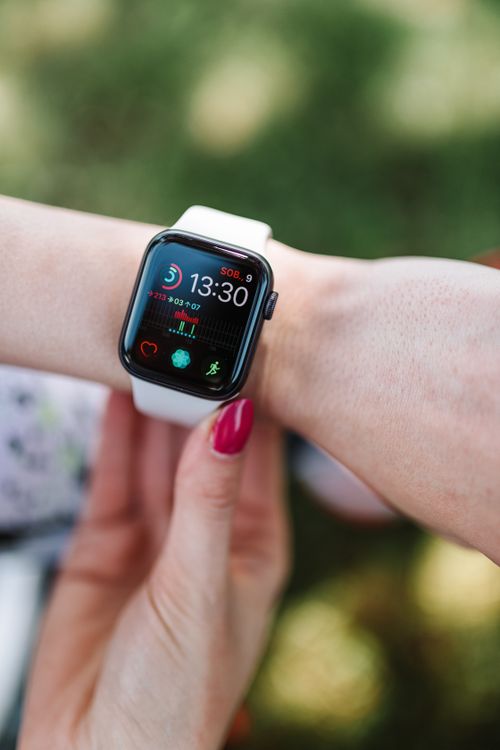
Most consumer devices read HRV through an optical sensor that detects blood flow at the wrist or finger. That approach is convenient and good enough for tracking trends, but it is less precise than a chest strap or a clinical ECG, which measure the heart's electrical signal directly. For a single spot reading, expect some noise.
The practical fix is consistency. Measure under the same conditions each time, ideally during sleep or first thing on waking, before caffeine, movement and the day's stress distort the picture. A few guidelines make the data more trustworthy:
- Give it two to four weeks to establish a personal baseline before reading much into any one number.
- Watch the trend line, not the daily value. Direction over a week says more than a single morning.
- Compare yourself to yourself, not to friends or online averages.
If you are choosing a device, our best fitness trackers guide walks through what to look for, and Myhealthytopics covers wearable-based metabolic tracking in plain terms for readers who want the health context rather than the marketing.
Avoiding Common Misinterpretations
The most frequent mistake is treating HRV as a score to beat. It is a signal about your own state, not a leaderboard. A reading that is healthy for a relaxed 25-year-old athlete may be unrealistic for a busy 55-year-old, and that is expected. Age alone pulls the number down over the decades.
A few other traps are worth avoiding:
- One low morning means little. A single dip after poor sleep, a late meal, alcohol or a hard session is normal. Only a sustained downward trend deserves attention.
- Higher is not infinitely better. Unusually high readings can accompany illness or fatigue rather than peak fitness, which is another reason context matters.
- Numbers across apps do not match. Different devices and algorithms produce different values, so switching gadgets resets your baseline rather than revealing a real change.
- HRV is not a diagnosis. It flags strain and recovery, but a worrying or erratic pattern alongside symptoms is a reason to see a clinician, not to self-diagnose.
Read sensibly, HRV becomes a quiet daily nudge toward the basics that support health, rather than one more number to stress about.
To put HRV to work, pick one lever this week and track the response for a month: protect a consistent sleep schedule, add a short daily breathing session, or cut evening alcohol. Watch your trend line rather than any single morning, and let the direction, not the daily reading, guide what you adjust next.
Frequently asked questions
What is a good heart rate variability number?
There is no single good number. HRV varies widely by age, fitness and measurement method, so the most useful comparison is against your own baseline over several weeks rather than against other people.
Does heart rate variability go down with age?
Yes. HRV tends to decline gradually as you get older, which is why comparing your reading to younger people can be misleading. Tracking your personal trend is more informative.
Can I improve my HRV?
Often yes. Consistent sleep, regular aerobic exercise, slow breathing practice and reducing alcohol tend to raise HRV over weeks to months, though genetics and age set part of the range.
Are wearable HRV readings accurate?
Wrist wearables are good for tracking trends but less precise than a chest strap or clinical ECG for any single reading. Measuring at the same time each day, ideally during sleep, improves consistency.