



Key takeaways
- Over-the-counter continuous glucose monitors are now available without a prescription, bringing real-time blood sugar data to people without diabetes.
- The CDC reports 115.2 million U.S. adults have prediabetes, which makes early metabolic tracking a mainstream concern, not a niche one.
- Wearables paired with AI are shifting from step counting toward pattern detection across glucose, sleep, heart rate, and activity.
- Nutrition advice in 2026 is moving away from one-size-fits-all rules toward personalized, data-informed eating.
- You do not need a gadget to act: steady fundamentals like fiber, movement, and sleep still drive metabolic health.
The biggest shift in metabolic health trends 2026 is access: tools once locked behind a doctor's office are now sold at the pharmacy counter. Continuous glucose monitors, AI-powered wearables, and personalized nutrition are moving from clinics and research labs into everyday routines. This guide walks through the five developments worth your attention and, more importantly, what each one means for the choices you make this year.
Metabolic health describes how well your body turns food into energy and keeps blood sugar, blood pressure, cholesterol, and waist size in a healthy range. When that system drifts, risk for type 2 diabetes and heart disease climbs. The numbers explain why this topic is everywhere right now.
In 2026, the CDC estimated that 40.1 million Americans, or 12.0% of the population, have diabetes, and that 115.2 million U.S. adults have prediabetes (CDC, National Diabetes Statistics Report, 2026). With roughly a third of adults affected or at risk, metabolic health has become a mainstream health topic rather than a specialist one.
The Rise of Consumer Glucose Tracking
The clearest of this year's health trends 2026 is that glucose tracking left the clinic. The FDA cleared the first over-the-counter continuous glucose monitor (CGM) for adults in March 2024, and in June 2026 it expanded clearance to children ages 2 and older (FDA press announcement, 2026). People without diabetes can now buy a sensor and watch their blood sugar respond to meals in real time.
Why does this matter for an everyday reader? A CGM turns abstract advice into visible feedback. You can see that a plain bagel sends your glucose soaring while the same bagel with eggs and avocado keeps it steadier. That kind of personal data makes healthy habits easier to stick with.
There is a catch. For people without diabetes, glucose naturally rises and falls all day, and a single spike is rarely cause for alarm. Treat the readings as a learning tool, and bring any persistent patterns to a clinician. If you want to understand the broader measure doctors rely on, our guide to the HbA1c test and what your A1c results mean puts short-term glucose data in context.
New Research Shaping Metabolic Care
Research in 2026 is reframing metabolic health as a whole-body story rather than a blood sugar reading alone. The CDC's own data shows the scale of the undiagnosed gap: about 27.6% of adults with diabetes, roughly 11.0 million people, do not know they have it (CDC, National Diabetes Statistics Report, 2026). That gap is pushing clinicians toward earlier screening and broader risk markers.
Three threads stand out this year. First, muscle is getting attention as a metabolic organ, not just a fitness goal, because it helps clear glucose from the blood. Second, the gut microbiome keeps turning up in studies of how people respond differently to the same meal. Third, sleep and stress are treated as frontline metabolic factors, not afterthoughts.
These threads connect in practice. Strength training supports glucose control, which is one reason our piece on how strength training boosts your metabolism pairs well with any tracking tool. The takeaway for readers: metabolic care is widening, so a single number never tells the whole story.
Wearables and AI in Personal Health
Wearables in 2026 do far more than count steps, and AI is the reason. Devices now blend glucose, heart rate, sleep stages, and activity into a single picture, then use machine learning to flag patterns a person might miss. The wearable medical device market has grown quickly over the past few years, and consumer demand for always-on health data is a large part of that growth.
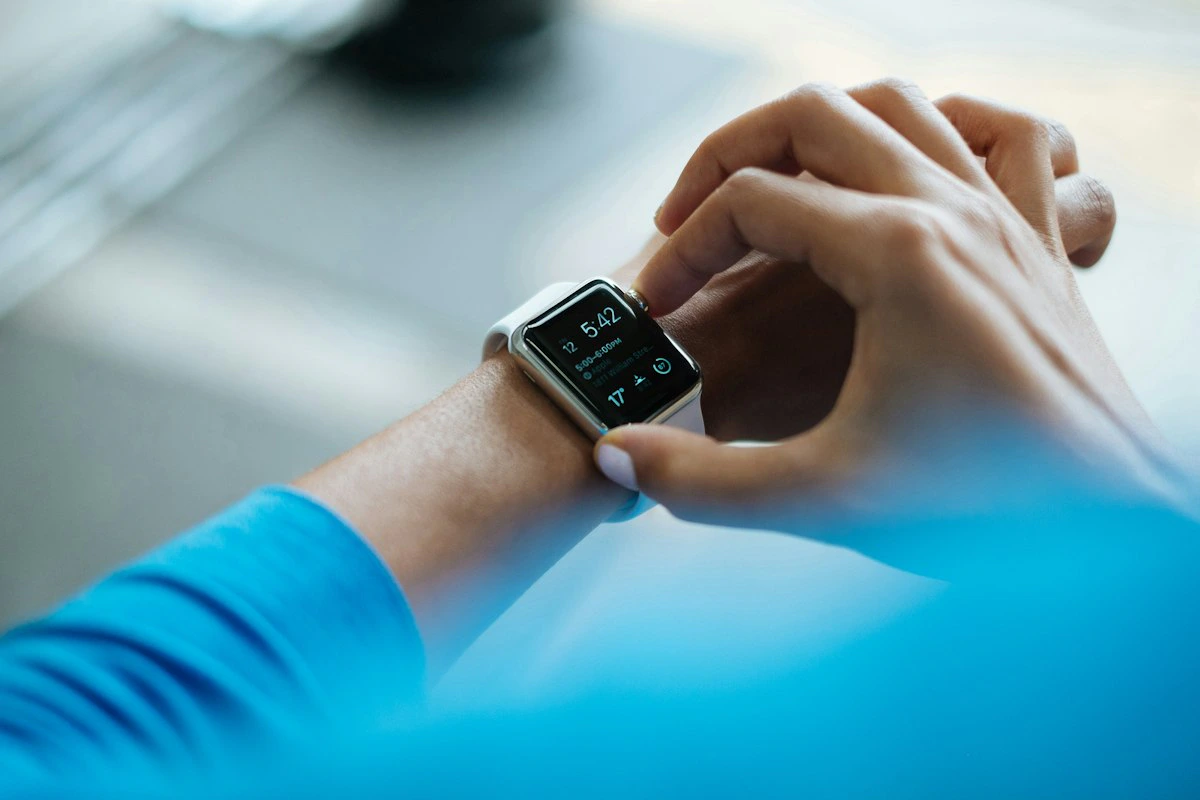
What can AI realistically do here? It can spot that your resting heart rate creeps up after poor sleep, or that certain evening meals disrupt your recovery. The value is in connecting dots across days and signals. One metric many devices now surface is heart rate variability, and our explainer on what heart rate variability tells you about health shows how to read it without overreacting to daily noise.
Keep expectations grounded. These tools are good at awareness and screening, not diagnosis. An algorithm can suggest you talk to a professional, but it cannot replace one. Use the alerts as prompts for better habits and, when needed, a real conversation with your doctor.
Shifts in Nutrition Science and Advice
Nutrition advice is moving away from universal rules toward personalized, data-informed eating. Research keeps showing that two people can eat the same meal and see very different blood sugar responses, which undercuts the idea of a single correct diet. In 2026, the practical message is to find the pattern that fits your body and your life.

A few steady principles survive the personalization trend. Fiber slows glucose absorption and feeds a healthier gut, protein supports muscle that clears glucose, and minimally processed foods tend to keep energy stable. Those basics appear again and again, whatever your specific plan looks like. A high-fiber, protein-forward plate is an easy, high-impact place to start.
The warning for readers is to stay skeptical of extremes. Personalized data can tempt people into rigid rules based on a single week of readings. Give any change a fair trial, look at trends over weeks, and favor patterns you can sustain over ones that feel like punishment.
What the Metabolic Health Trends of 2026 Mean for You
Put simply, metabolic health tools are getting more powerful and more personal, but the fundamentals still decide most of the outcome. New sensors and smarter algorithms can show you what is happening inside your body in near real time. What you do with that information, consistently, is what changes your metabolic trajectory.
Here is a practical way to approach 2026:
- Start with habits, not hardware: movement most days, fiber and protein at meals, and consistent sleep.
- If you try a CGM or wearable, use it to learn your patterns for a few weeks rather than to chase perfect numbers.
- Treat alerts as conversation starters with a clinician, especially given how many cases go undiagnosed.
- Judge any nutrition change by multi-week trends, not a single reading.
Myhealthytopics keeps evidence-based guides on each of these habits so you can go deeper where it matters to you, from glucose and nutrition to sleep and stress.
Your next step is small and specific: pick one trend from this list that fits your life, and try it for two weeks. Track how you feel alongside any data, then keep what works. Steady, repeatable changes will outlast every gadget that launches this year.
Frequently asked questions
What is the biggest metabolic health trend in 2026?
Consumer access to continuous glucose monitors. These sensors, now cleared for over-the-counter sale, let people without diabetes see how food, sleep, and exercise affect their blood sugar in real time.
Do I need a glucose monitor to improve my metabolic health?
No. Monitors add data, but the fundamentals still matter most: regular movement, adequate fiber and protein, good sleep, and limiting ultra-processed foods. A device can guide those habits, not replace them.
How common is prediabetes in the United States?
Very common. The CDC estimates 115.2 million U.S. adults have prediabetes, and about 27.6% of adults with diabetes do not know they have it, which is why early tracking matters.
Can wearables and AI actually detect metabolic problems early?
They can flag patterns worth discussing with a clinician, such as glucose spikes or poor sleep trends. They are screening and awareness tools, not diagnostic ones, so confirm concerns with a professional.