



Key takeaways
- The anti-inflammatory diet is a pattern built on vegetables, fruit, whole grains, legumes, fatty fish, nuts and olive oil, not a single miracle food.
- A 2026 meta-analysis of 33 randomized trials found the Mediterranean diet significantly lowered inflammatory markers including hs-CRP and IL-6.
- Highly processed foods, added sugar, refined carbohydrates and excess red or processed meat are the items most consistently tied to higher inflammation.
- Chronic conditions linked to inflammation account for about 90% of the United States' $5.3 trillion in annual health care spending, per the CDC.
- You do not need special products. Consistent everyday swaps toward whole foods drive most of the benefit.
An anti-inflammatory diet means eating mostly whole plant foods, fatty fish, nuts and olive oil while cutting back on highly processed items, added sugar and refined carbohydrates. There is no single magic food. The benefit comes from the overall pattern, built day after day, and the strongest evidence points to Mediterranean-style eating.
Inflammation serves a purpose. It is how your body fights infection and repairs injury. The problem is low-grade inflammation that never switches off, quietly stressing your tissues for years. Food is one of the few levers you control every single day, and this guide covers what to put on your plate, what to pull back, and how to tell solid evidence from hype.
How Chronic Inflammation Affects Your Health
Chronic low-grade inflammation is a persistent, low-level immune response that contributes to many of the most common diseases. Unlike the swelling around a cut, it produces no obvious symptoms, which is why it often goes unnoticed for years. Over time it is linked to heart disease, type 2 diabetes, and other long-term conditions.
The scale is hard to overstate. According to the CDC, roughly 90% of the United States' $5.3 trillion in annual health care spending goes toward people with chronic and mental health conditions (CDC, Fast Facts: Health and Economic Costs of Chronic Conditions, 2026). Many of those conditions share inflammation as a common thread, which is part of why diet draws so much research attention.
Diet is a major driver. The Institute for Health Metrics and Evaluation reports that 12.2% of all deaths in 2023 were associated with poor diet, with cardiovascular disease as the leading cause (IHME, Diet, 2024). What you eat does not just add or subtract calories. It changes the signaling environment inside your body.
Stress, poor sleep and inactivity feed the same fire. Diet is powerful, but it works best alongside the rest of your routine. Managing stress and sleep gives your food choices a better chance to help.
Foods That Fight Inflammation
The foods that reduce inflammation are overwhelmingly whole and minimally processed: colorful vegetables, fruit, legumes, whole grains, nuts, extra-virgin olive oil and fatty fish. Their shared traits are fiber, healthy fats and plant compounds called polyphenols. No single item does the work. The variety and consistency do.
A few groups stand out:
- Fatty fish such as salmon, sardines and mackerel supply omega-3 fats, which help regulate inflammatory signaling.
- Leafy greens and cruciferous vegetables like spinach, kale and broccoli deliver fiber and antioxidants.
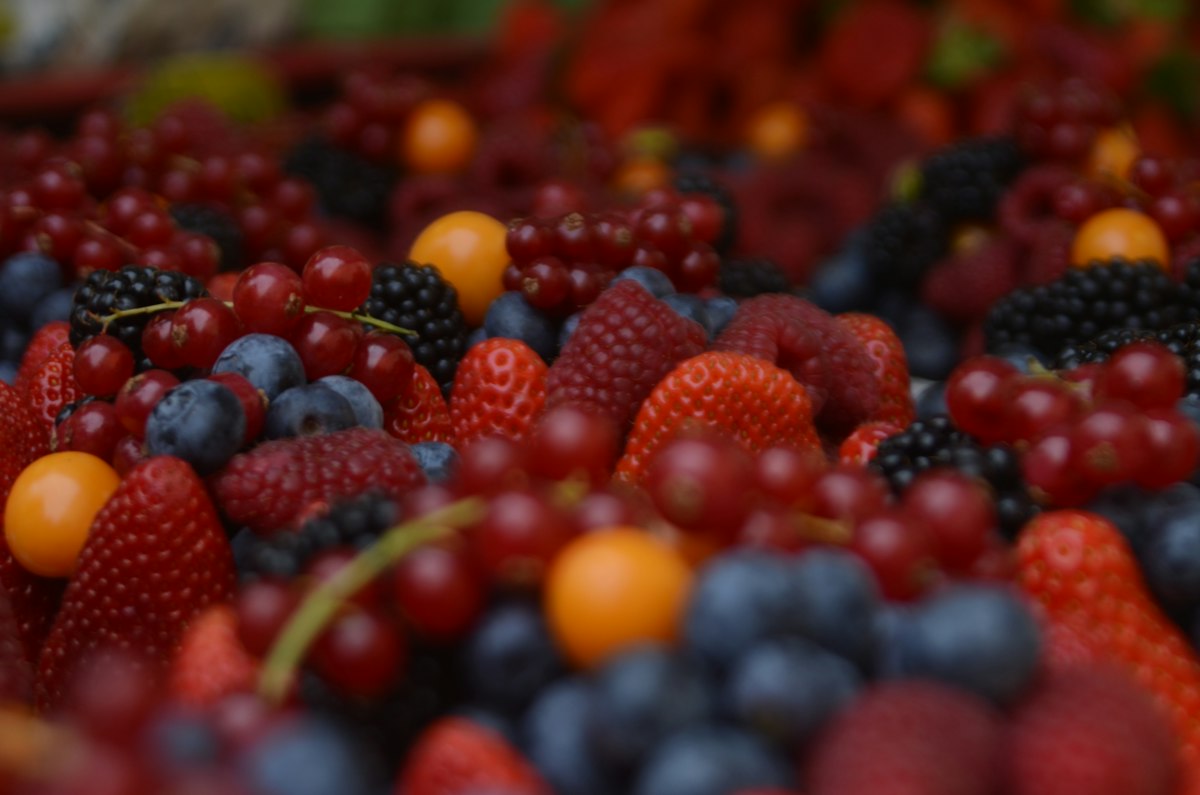
- Berries and other deeply colored fruit carry polyphenols that give them their pigment.
- Nuts, seeds and extra-virgin olive oil provide monounsaturated fats and vitamin E.
- Legumes and whole grains feed the gut bacteria that help keep inflammation in check.
That last point matters more than many people expect. A large share of your immune system lives around your gut, so fiber-rich foods do double duty. If you want to go deeper on that mechanism, our practical guide to gut health and the microbiome explains how fiber and fermented foods shape the bacteria that influence inflammation.
What ties these foods together is simple: a pattern of real, recognizable ingredients eaten often enough to matter. No brand or label required.
Foods That Worsen Inflammation
The foods most consistently tied to higher inflammation are highly processed items, added sugar, refined carbohydrates, and large amounts of red or processed meat. These foods tend to be high in calories and low in fiber, and they can nudge blood sugar and blood fats in the wrong direction. Cutting back on them often matters as much as adding the "good" foods.
Watch these categories in particular:
- Sugary drinks and added sugars, including soda, sweetened coffee drinks and many flavored yogurts.
- Refined carbohydrates such as white bread, pastries and most packaged snacks.
- Processed meats like bacon, deli meats and sausages.
- Ultra-processed foods engineered with long ingredient lists you would not keep in your own kitchen.
- Excess alcohol, which can raise inflammatory markers when intake is heavy.
Spotting these items is easier once you can read a label quickly. Our walkthrough on how to read a nutrition label the right way shows how to find hidden sugars and refined ingredients in a few seconds. Poor diet quality is not a minor factor here. IHME attributes 12.2% of 2023 deaths to it, which underscores why these swaps are worth the effort (IHME, Diet, 2024).
You do not have to be perfect. Reducing the frequency of these foods, rather than banning them forever, is what most people can actually sustain.
Building an Anti-Inflammatory Meal Plan
A workable anti-inflammatory meal plan fills about half your plate with vegetables and fruit, a quarter with whole grains or legumes, and a quarter with protein that leans on fish, poultry and plants. Add a source of healthy fat like olive oil or nuts. The structure stays the same across meals, which is what makes it easy to repeat.
Here is a simple day as a starting template:
- Breakfast: plain yogurt or oatmeal with berries, walnuts and a drizzle of honey.
- Lunch: a large salad with greens, chickpeas, olive oil and a piece of fish or chicken.
- Dinner: salmon or lentils with roasted vegetables and a whole grain such as quinoa or brown rice.
- Snacks: fruit, a handful of nuts, or vegetables with hummus.
Keep it realistic. Batch-cooking grains and roasting a tray of vegetables on the weekend removes most of the weekday friction. The goal is a default you return to, not a strict regimen you abandon after two weeks.
This pattern also supports steadier blood sugar, which overlaps with metabolic health. For readers who like to track their own progress, Myhealthytopics offers metabolic health tracking guides and a community forum where people share meal ideas and what worked for them.
The Evidence Behind Popular Claims
The evidence for anti-inflammatory eating is strongest for the overall Mediterranean pattern, not for any single "superfood." A 2026 meta-analysis of 33 randomized controlled trials, covering 3,476 participants, found that the Mediterranean diet significantly reduced inflammatory markers including hs-CRP, IL-6 and IL-17 compared with control diets (Keshani et al., Nutrition Reviews, 2026). Randomized trials are a high bar, which makes that finding meaningful.
That is the key distinction to hold onto. Claims about a lone berry, spice or oil "fighting inflammation" usually rest on small lab studies or marketing, not on trials in real people eating real diets. The pattern is what moves the needle, and individual foods earn their place by contributing to it.
It also helps to keep expectations grounded. An anti-inflammatory diet works alongside medical care and supports it rather than replacing any treatment your clinician recommends. If you ever feel unsure whether a health claim online is trustworthy, our guide on how to spot trustworthy health information online gives you a quick checklist for separating evidence from hype.
Food is one of the most reliable, lowest-risk tools you have. Used consistently, the right pattern supports your heart, your gut and your long-term health.
The simplest next step is to pick one meal you eat often and rebuild it around the plate structure above: half vegetables and fruit, a quarter whole grains or legumes, a quarter lean protein, plus olive oil or nuts. Repeat that one upgrade until it feels automatic, then move to the next meal. Small, repeated swaps are what turn a diet article into a habit that actually lowers inflammation over time.
Frequently asked questions
How long does it take to see results from an anti-inflammatory diet?
Energy and digestion often shift within a few weeks, but measurable changes in blood markers like C-reactive protein usually take one to three months of consistent eating. Trials showing marker reductions typically run several weeks to months.
Is the anti-inflammatory diet the same as the Mediterranean diet?
They overlap heavily. The Mediterranean diet is the most studied anti-inflammatory eating pattern, and a 2026 meta-analysis of 33 trials found it lowered key inflammatory markers. Most anti-inflammatory guidance is essentially Mediterranean eating.
Do I need supplements to lower inflammation?
For most people, no. Whole foods provide the fiber, polyphenols and omega-3 fats that drive the effect. Supplements may help specific deficiencies, but they do not replace a consistent dietary pattern, and you should discuss them with your clinician.
Can an anti-inflammatory diet help with arthritis or other conditions?
Many people with inflammatory conditions report less discomfort, and the diet supports heart and metabolic health. It is a complement to medical treatment, not a substitute. Talk with your doctor about how diet fits your specific condition.