
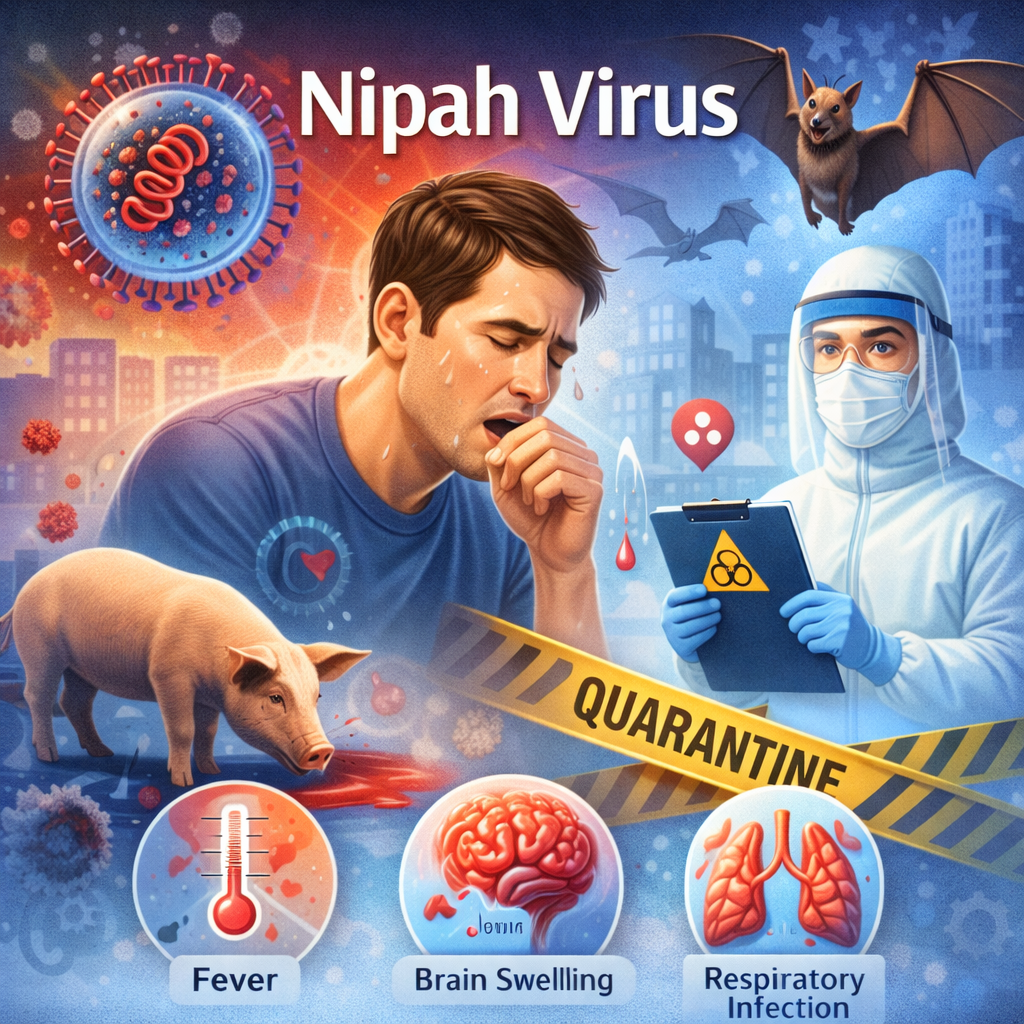

Symptoms, Transmission, Prevention, and Treatment
The Nipah virus (NiV) is a rare but highly dangerous virus that can cause severe illness in humans. First identified in Malaysia in 1998, the virus has since caused outbreaks in several parts of Asia, particularly in Bangladesh and India. Because of its high fatality rate and potential for outbreaks, the World Health Organization(WHO) classifies Nipah virus as a priority disease requiring urgent research and surveillance.
Understanding how the Nipah virus spreads, its symptoms, and ways to prevent infection is essential for protecting public health.
What Is Nipah Virus?
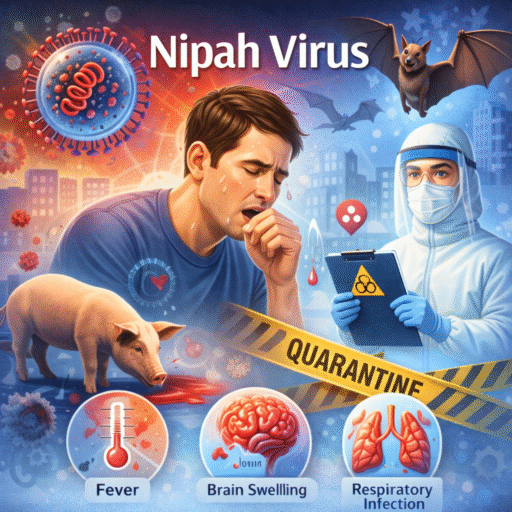
Nipah virus is a zoonotic virus, meaning it spreads from animals to humans. The natural hosts of the virus are fruit bats of the Pteropus genus, also known as flying foxes. These bats can carry the virus without becoming sick, but they can transmit it to other animals and humans.
In some outbreaks, the virus has spread to humans through infected pigs, contaminated food, or direct contact with infected individuals.
Because of its ability to cause severe respiratory illness and brain inflammation, Nipah virus infections can quickly become life-threatening.
How Nipah Virus Spreads
Nipah virus can spread in several ways:
1. Animal-to-Human Transmission
Humans can become infected through contact with infected animals, especially pigs or bats.
2. Contaminated Food
Consumption of raw date palm sap or fruit contaminated by infected bats has been linked to outbreaks in Bangladesh.
3. Human-to-Human Transmission
Close contact with infected individuals, including caregivers and healthcare workers, can lead to transmission through bodily fluids.
Symptoms of Nipah Virus Infection
Symptoms usually appear 4 to 14 days after exposure, although they can sometimes appear later.
Common symptoms include:
Fever
Severe headache
Muscle pain
Vomiting
Sore throat
Dizziness
As the infection progresses, more severe symptoms may develop, such as:
Respiratory problems
Confusion and disorientation
Seizures
Encephalitis (brain inflammation)
Coma
In severe cases, the disease can become fatal.
Who Is at Higher Risk?
People at higher risk of infection include:
Individuals living in areas where outbreaks have occurred
Healthcare workers treating infected patients
People who handle animals such as pigs or bats
Individuals consuming raw or unprocessed date palm sap
Travelers to outbreak areas may also face increased risk if they have close contact with infected individuals or animals.
Diagnosis of Nipah Virus
Doctors diagnose Nipah virus using specialized laboratory tests such as:
PCR (Polymerase Chain Reaction) tests
Blood tests
Throat or nasal swabs
Urine samples
Because symptoms can resemble other viral infections, laboratory confirmation is essential for accurate diagnosis.
Treatment Options
Currently, there is no specific antiviral treatment approved for Nipah virus infection. Medical care focuses on supportive treatment, which may include:
Hospitalization
Respiratory support
Intravenous fluids
Monitoring of neurological symptoms
Researchers are working on vaccines and antiviral therapies, but they are still under development.
How to Prevent Nipah Virus
Prevention is the most effective strategy against Nipah virus. Health authorities recommend the following precautions:
Avoid Contaminated Food
Do not consume raw date palm sap or fruit that may have been contaminated by bats.
Practice Good Hygiene
Wash hands regularly and maintain good hygiene when handling food or animals.
Limit Contact With Sick Animals
Avoid contact with bats, pigs, or animals that appear sick.
Follow Health Guidelines During Outbreaks
In areas experiencing outbreaks, follow guidance from public health authorities and healthcare professionals.
Global Health Concern
Although Nipah virus outbreaks are relatively rare, the disease remains a serious global health concern due to its high mortality rate and potential for human-to-human transmission. International organizations such as the WHO and CDC continue to monitor outbreaks and support research for vaccines and treatments.