


Key takeaways
- You can often lower cholesterol naturally by eating 5 to 10 grams of soluble fiber daily, cutting saturated fat, and exercising most days.
- In the US, 11.3% of adults aged 20 and older have high total cholesterol, with the 40 to 59 age group most affected at 16.7% (CDC, 2024).
- Adding about 2 grams of plant sterols a day can lower LDL by roughly 10%, and 25 grams of soy protein can lower it 5% to 6% (Harvard Health).
- Diet and activity help most people, but genetics and very high LDL sometimes require medication alongside lifestyle changes.
Yes, many people can lower cholesterol naturally through food and daily habits, often enough to improve their numbers without a prescription. The most effective changes are eating more soluble fiber, swapping saturated fat for healthier fats, moving your body most days, and trimming excess weight.
High cholesterol is common, and it rarely causes symptoms, so people often learn about it only after a routine blood test. In the United States, 11.3% of adults aged 20 and older have high total cholesterol at or above 240 mg/dL (CDC National Center for Health Statistics, 2024). This guide walks through what the numbers mean and the specific habits that move them.
What Do LDL, HDL, and Triglycerides Actually Mean?
A cholesterol panel reports three main numbers, and knowing which direction each should go makes the rest of this guide easier to follow. LDL is the type you want lower, HDL is the type you want higher, and triglycerides are a separate blood fat tied closely to diet and weight.
LDL, or low-density lipoprotein, carries cholesterol to your arteries, where excess amounts can build into plaque. HDL, or high-density lipoprotein, helps clear cholesterol from the bloodstream. Triglycerides store unused calories and rise quickly with sugar, refined carbohydrates, and alcohol.
High cholesterol is not spread evenly across ages. The 40 to 59 age group carries the highest prevalence at 16.7%, compared with 6.0% for adults aged 20 to 39 (CDC National Center for Health Statistics, 2024). Midlife is often when numbers drift upward and when habit changes pay off most.
If you want help interpreting your own results, our guide on how to spot trustworthy health information online can help you separate solid advice from marketing. On Myhealthytopics, you can also track your lab values over time and compare them against reference ranges.
What Diet Changes Lower Cholesterol?
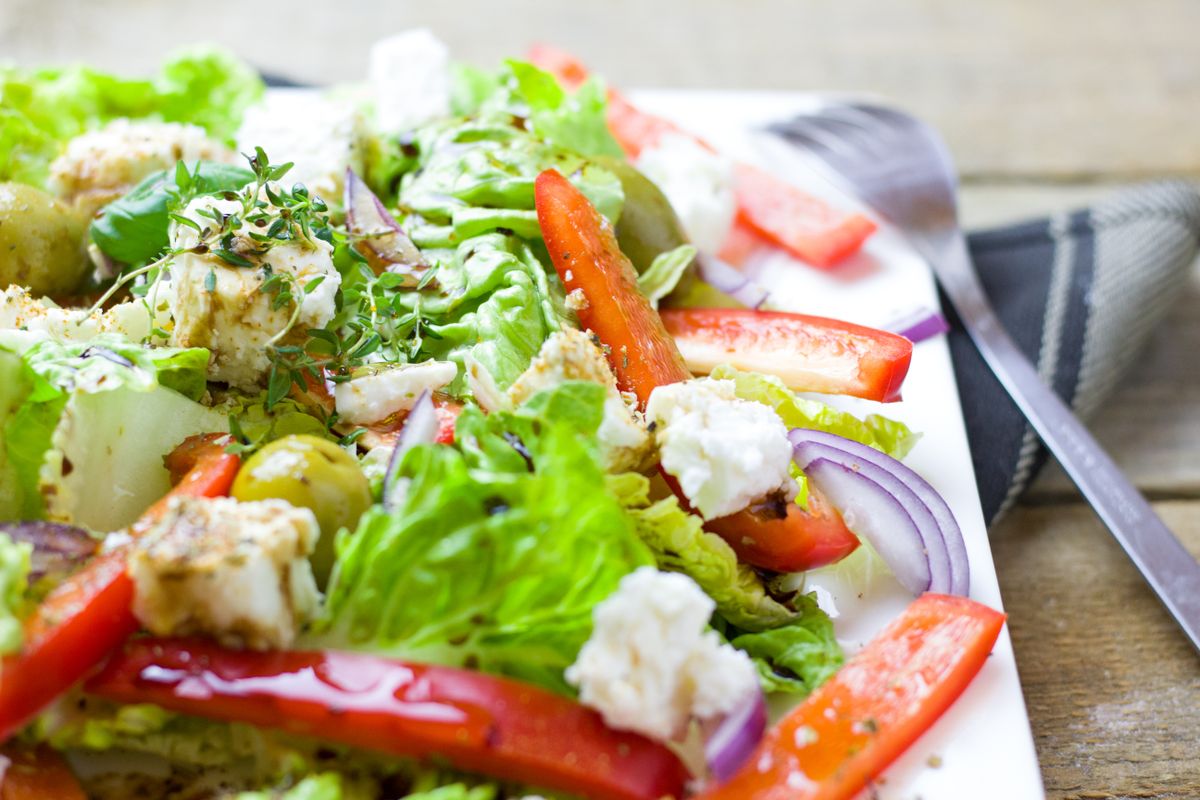
The most powerful dietary move is reducing saturated fat and replacing it with foods that actively pull cholesterol down. A well-structured cholesterol diet focuses on plants, lean proteins, and unsaturated fats rather than restriction alone. Several specific foods have measured effects on LDL.
Nuts are a good example. Eating nuts regularly can lower LDL cholesterol by about 5% (Harvard Health Publishing). A small daily handful of almonds or walnuts, used in place of chips or crackers, is an easy swap.
Plant sterols and stanols, found in fortified spreads, orange juice, and some yogurts, work through a different mechanism. Consuming about 2 grams of plant sterols and stanols a day lowers LDL by roughly 10% (Harvard Health Publishing). Soy protein helps too: about 25 grams daily, roughly 10 ounces of tofu or 2.5 cups of soy milk, lowers LDL by 5% to 6%.
Saturated fat is the main dietary driver of LDL, so the biggest wins come from swaps rather than willpower. Trade fatty cuts of red meat for poultry, fish, or beans a few nights a week. Use olive oil instead of butter. Choose low-fat dairy, and treat processed meats and deep-fried foods as occasional rather than daily.
Trans fat deserves its own mention. It raises LDL and lowers HDL at the same time, which is why many countries have restricted it. Scan ingredient lists for partially hydrogenated oils and leave those products on the shelf.
Reading packages carefully helps you find these foods and avoid hidden saturated fat. Our walkthrough on how to read a nutrition label the right way covers exactly what to look for.
Why Do Fiber and Healthy Fats Matter So Much?
Soluble fiber and unsaturated fats are the two dietary levers with the clearest effect on cholesterol. Getting 5 to 10 grams of soluble fiber a day decreases LDL cholesterol (Mayo Clinic). Soluble fiber binds cholesterol in the gut so your body passes it instead of absorbing it.
You do not need supplements to hit that target. Oats, barley, beans, lentils, apples, pears, and Brussels sprouts are all rich in soluble fiber. A bowl of oatmeal with fruit plus a serving of beans later in the day can get you most of the way there.
Fats matter just as much as fiber. Replacing butter, fatty cuts of meat, and processed snacks with olive oil, avocado, and fatty fish shifts your blood lipids in a healthier direction. These unsaturated fats support HDL while helping bring LDL down.
Fiber feeds the beneficial bacteria in your digestive tract, which is one reason a cholesterol-friendly diet often improves digestion too. Our practical guide to gut health and the microbiome explains that connection in more depth.
How Does Exercise Help You Lower Cholesterol Naturally?
Regular physical activity and losing excess weight both improve cholesterol, often working together. Exercise tends to raise protective HDL and can modestly lower LDL and triglycerides, while weight loss reduces the raw amount of cholesterol your body makes and stores. You do not need intense workouts to benefit.
Most guidelines point toward about 150 minutes of moderate aerobic activity each week, which breaks down to roughly 30 minutes on five days. Brisk walking, cycling, swimming, and jogging all qualify. Consistency matters more than intensity, and standing or walking breaks through the day add up.
Walking is one of the most sustainable options for people starting out. Our simple walking plan for metabolic health lays out an approachable routine. Even modest weight loss, a few percent of body weight, can meaningfully improve triglycerides and LDL for many people.
Strength training adds a second layer of benefit. Building muscle improves how your body handles blood sugar and fat, and it helps preserve lean mass during weight loss. Two sessions a week, using body weight, bands, or dumbbells, pair well with your aerobic routine.
How you lose weight matters less than losing it steadily. A slow, sustainable pace tends to stick, and the fat you carry around your midsection is especially tied to unhealthy lipid patterns. Trimming it often improves triglycerides and HDL together.
Sleep and stress influence these results as well. Chronic stress can nudge cholesterol and blood pressure upward, which is why managing it supports the rest of your efforts. Poor sleep works against you too, disrupting the hormones that regulate appetite and metabolism.
When Is Lifestyle Not Enough?
Lifestyle changes work for many people, but not everyone, and knowing the limits keeps you safe. Genetics, a condition called familial hypercholesterolemia, and very high baseline LDL can keep numbers elevated no matter how clean the diet. In those cases, medication is a tool, not a failure.
Diet and exercise typically lower LDL by a meaningful but bounded amount. If your LDL is far above target, or if you already have heart disease, diabetes, or other risk factors, your clinician may recommend a statin or other drug alongside the habits above. The two approaches reinforce each other rather than compete.
Give honest changes a fair trial, usually about three months, then recheck your panel. If your numbers have improved enough, you and your doctor can continue the plan. If they have not, that information is valuable and guides the next step.
People managing blood sugar and insulin often face cholesterol challenges at the same time, since these conditions share common roots. If that is you, our guide on early signs of insulin resistance to watch for is a useful companion read.
The clearest next step is simple: book a cholesterol panel if you have not had one recently, pick two changes from this guide to start this week, and log your numbers in Myhealthytopics so you can see the trend at your next test.
Frequently asked questions
How long does it take to lower cholesterol naturally?
Most people see measurable changes in LDL cholesterol within 6 to 12 weeks of consistent diet and exercise changes. A follow-up blood test after about three months shows whether your new habits are working.
Can diet alone lower cholesterol enough to avoid statins?
For many people with mildly elevated numbers, yes. Combining soluble fiber, less saturated fat, nuts, and plant sterols can meaningfully reduce LDL. People with very high LDL or genetic conditions often still need medication.
What is the single best food to lower cholesterol?
There is no single best food, but oats are among the most reliable. Their soluble fiber, called beta-glucan, helps the body remove cholesterol. Beans, nuts, and fatty fish also have strong evidence behind them.
Does exercise lower cholesterol without weight loss?
Yes. Regular aerobic activity can raise HDL cholesterol and improve the balance of blood lipids even when your weight stays the same, though losing excess weight adds further benefit.