


Understanding Type 1 Diabetes: Causes, Symptoms, Management & Daily Living

Type 1 diabetes is a long-term health condition that affects how the body regulates blood sugar (glucose). Unlike Type 2 diabetes which usually develops gradually over time. Type 1 diabetes typically appears earlier in life and is not caused by lifestyle habits. It occurs when the body cannot produce enough insulin, a hormone needed to move glucose from the bloodstream into the cells.
This comprehensive guide explains what Type 1 diabetes is, common symptoms, causes, diagnosis, management considerations, and general health tips, without offering medical advice or claiming cures. It is meant for educational purposes only.
What Is Type 1 Diabetes?
Type 1 diabetes is an autoimmune condition. This means the body’s immune system mistakenly attacks the insulin producing cells in the pancreas, known as beta cells. Over time, the pancreas produces little or no insulin, leading to elevated blood sugar levels.
Because insulin is essential for daily bodily functions, people with Type 1 diabetes require lifelong support from healthcare professionals, regular monitoring, and personalized treatment plans. Type 1 diabetes can occur at any age but is most often diagnosed in children, adolescents, and young adults.
How Type 1 Diabetes Develops
While research is ongoing, Type 1 diabetes usually develops due to a combination of:
1. Genetic predisposition
Certain genes may increase the likelihood of developing the condition, although having these genes does not guarantee diabetes.
2. Autoimmune response
The body’s immune system begins to attack its own insulin-producing cells.
3. Environmental triggers
Certain viral infections or environmental factors may trigger the autoimmune process in people who are genetically predisposed.
Unlike Type 2 diabetes, Type 1 diabetes is not caused by diet, weight, or lifestyle habits, and it cannot be prevented through behavioral changes.
Common Symptoms of Type 1 Diabetes
Symptoms of Type 1 diabetes often appear suddenly and may become noticeable within a few weeks. However, symptoms can differ from person to person, and only a licensed healthcare provider can diagnose the condition.
Common symptoms may include:
-
excessive thirst
-
frequent urination
-
increased hunger
-
unexplained weight loss
-
fatigue
-
irritability or mood changes
-
dry mouth
-
blurred vision
-
fruity-smelling breath
-
nausea or stomach discomfort
These symptoms are not exclusive to Type 1 diabetes, so people experiencing them should consult a healthcare professional for proper evaluation.
How Type 1 Diabetes Is Diagnosed
A medical professional may use several blood tests to diagnose diabetes. These tests check blood glucose levels and determine how the body processes sugar. Common diagnostic methods include:
-
Fasting blood sugar test
-
A1C test, which measures average blood sugar over time
-
Random blood sugar test
-
Ketone testing, if symptoms suggest high blood sugar levels
Only trained medical personnel can provide an accurate diagnosis and recommend a management plan.
Insulin and Type 1 Diabetes
Because the pancreas in Type 1 diabetes produces little or no insulin, people diagnosed with the condition typically need insulin therapy, which helps regulate blood sugar levels. There are different kinds of insulin, such as rapid-acting, long-acting, and combination types. Healthcare providers determine appropriate options based on an individual’s health status and needs.
Insulin therapy is highly individualized, and management strategies vary from one person to another. No single approach works for everyone.
Food, Activity, and Daily Living
Even though Type 1 diabetes is not caused by lifestyle choices, healthy routines support overall well-being. Many individuals work with dietitians or healthcare professionals to understand how food, activity, and daily habits affect blood sugar levels.
General considerations that may support health include:
-
balanced eating patterns
-
regular physical activity
-
consistent daily routines
-
stress management
-
maintaining hydration
-
regular medical checkups
These are not treatments or cures only general wellness habits that contribute to overall health.
Research and Advancements
Research on Type 1 diabetes continues to progress. Scientists study potential biological, genetic, and environmental factors to understand how the condition develops. Advancements in medical technology such as wearable glucose monitors, improved insulin delivery devices, and ongoing investigations into cell therapy continue to improve quality of life for many individuals.
However, there is currently no known cure for Type 1 diabetes. All care and guidance must be provided by healthcare professionals.
Emotional & Mental Well-Being
Living with a long-term condition can affect emotional health. Many people benefit from support groups, counseling, community networks, and educational programs that help them better understand Type 1 diabetes and navigate daily life.
When to Consult a Healthcare Professional
Individuals should seek medical attention if they experience:
-
frequent urination and thirst
-
sudden weight loss
-
extreme hunger
-
unexplained fatigue
-
ongoing stomach discomfort
-
confusion or unusual behavior
-
signs of high blood sugar
Prompt consultation with a medical professional ensures proper evaluation and guidance.
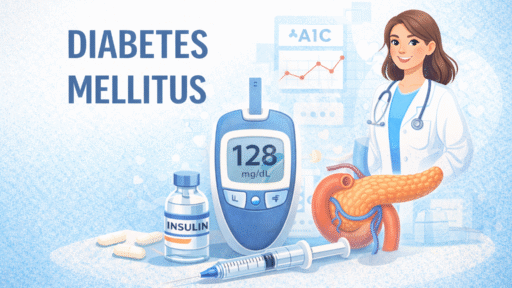








Type 1 diabetes is such a difficult condition and requires lifelong management.