
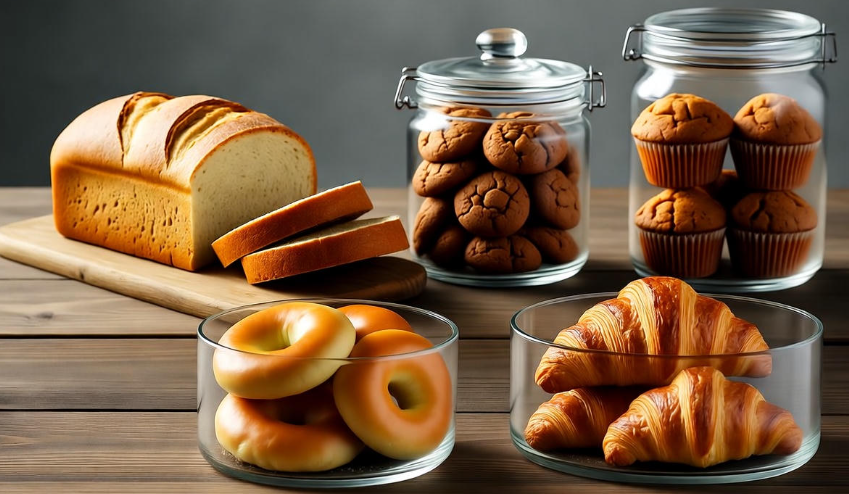

Let’s be honest — few things feel better than pulling fresh cookies, cakes, or bread out of the oven. The aroma fills the room, your mouth waters, and for a moment, life feels perfect. But that joy can fade quickly if your baked goodies turn dry, stale, or soggy overnight. So how can you keep that “just baked” freshness for longer? Well, the secret lies in how you store your baked goods.
In this guide, I’ll walk you through practical, tried-and-true ways to store everything from cookies to cakes — the right way. Let’s keep that homemade magic alive, shall we? 😋
Why Proper Storage Matters
It might seem like a small thing, but storing baked items correctly can make all the difference between a treat that tastes like it just came from the oven and one that’s gone stale by morning. Moisture, air, and temperature all play major roles in how baked foods age.
-
Air exposure makes baked goods dry out faster.
-
Humidity can turn crispy cookies into soft, sticky messes.
-
Temperature changes can cause condensation, leading to sogginess.
So, keeping your pastries fresh is really a battle against time, air, and moisture. Let’s see how to win it.
For Cookies 🍪
Ah, cookies — soft, chewy, or crispy, we love them all. But their freshness depends on how you store them.
-
Cool completely first: Never store cookies when they’re still warm. The trapped steam can make them soggy.
-
Use airtight containers: A glass or plastic airtight jar is perfect.
-
Separate soft and crispy cookies: Moisture from soft cookies can ruin crispy ones. Keep them in separate jars or containers.
-
Add a slice of bread: This old-school trick really works. The bread absorbs moisture, keeping cookies soft longer.
| Type of Cookie | Ideal Storage | Shelf Life |
|---|---|---|
| Soft cookies | Airtight container with bread slice | 4-5 days |
| Crispy cookies | Loose-lid container (slightly vented) | 7-10 days |
| Frosted cookies | Single layers with wax paper | 3-4 days |
Pro tip: If your cookies have icing, stack them carefully with parchment paper between layers to avoid sticking.
For Cakes 🍰
Cakes can lose their texture fast if not stored properly. The goal is to keep moisture in while avoiding sogginess.
-
Cool completely: Always wait until your cake cools before wrapping.
-
Unfrosted cakes: Wrap tightly in plastic wrap, then place in an airtight container.
-
Frosted cakes: Store in a covered cake dome or container to protect the icing.
-
Refrigerate only if necessary: For cakes with cream, custard, or fruit fillings, refrigeration is a must. Otherwise, it can dry them out.
| Cake Type | Storage Method | Room Temp Life | Fridge Life |
|---|---|---|---|
| Butter cake | Wrapped in plastic | 3-4 days | 1 week |
| Sponge cake | Airtight container | 2-3 days | 4-5 days |
| Cream cake | Refrigerated (covered) | Not ideal | 3 days |
| Fruit cake | Wrapped and boxed | 10 days | 2 weeks |
Quick note: When refrigerating frosted cakes, chill them uncovered for 20 minutes first so the frosting hardens slightly. Then cover with plastic wrap — this prevents smearing.
For Bread 🍞
Bread storage is a whole science in itself. You’ve probably noticed how quickly bread can go from soft to hard.
-
Cool completely before storing. Warm bread gives off moisture that leads to mold.
-
Store at room temperature. Bread stays best in a paper bag or bread box. Avoid the fridge — it actually makes bread stale faster!
-
Freeze for long-term storage. Slice first, wrap in foil or freezer-safe bags, and thaw as needed.
| Bread Type | Best Storage | Duration |
|---|---|---|
| Homemade white bread | Bread box or paper bag | 3 days |
| Whole wheat | Airtight bag (room temp) | 4 days |
| Sourdough | Cloth bag or bread box | 5 days |
| Frozen bread | Freezer-safe wrap | Up to 3 months |
Friendly reminder: When you thaw frozen bread, let it come to room temperature inside the bag to prevent condensation.
For Muffins and Cupcakes 🧁
These are tricky because they can either go soggy or dry depending on how you handle them.
-
Cool completely before storing.
-
Unfrosted ones: Store in an airtight container lined with paper towels to absorb moisture.
-
Frosted ones: Keep in a covered container in the fridge.
-
Avoid plastic wrap directly on top. It can pull the frosting off or trap moisture.
Tip: You can also freeze unfrosted cupcakes. Just wrap them individually, then frost after thawing for a fresh finish.
| Type | Room Temp | Refrigerator | Freezer |
|---|---|---|---|
| Plain muffins | 2-3 days | 1 week | 2 months |
| Frosted cupcakes | Not advised | 3-4 days | 2 months (unfrosted) |
For Pastries 🥐
Croissants, danishes, and puff pastries lose their crisp layers fast.
-
Room temp: Store in paper bags or loosely covered containers to keep flakes crisp.
-
Avoid airtight containers: They trap steam, making pastries soggy.
-
Reheat before eating: A few minutes in the oven at 180°C (350°F) revives that fresh-baked flakiness.
Quick trick: Wrap leftover pastries in foil and pop them in the oven for 5 minutes the next morning — tastes fresh again!
For Brownies and Bars 🍫
These rich treats can dry out if not stored well.
-
Keep them in the baking pan: Cover tightly with plastic wrap or foil.
-
Separate layers: If you cut them into pieces, use parchment paper between layers.
-
Freeze for longer storage: Wrap individual bars for easy snacking later.
| Type | Storage | Shelf Life |
|---|---|---|
| Fudgy brownies | Airtight container | 4-5 days |
| Blondies | Airtight container | 3-4 days |
| Cheesecake bars | Refrigerator | 5-6 days |
For Pies 🥧
Pies are a little complicated because of their different fillings.
-
Fruit pies: Can be stored at room temperature for up to two days. Cover loosely with foil or a clean towel.
-
Cream pies: Always refrigerate because of dairy fillings.
-
Unbaked pie crusts: Freeze for up to 3 months.
| Pie Type | Room Temp | Fridge | Freezer |
|---|---|---|---|
| Fruit pie | 2 days | 4-5 days | 2 months |
| Cream pie | Not safe | 3-4 days | 1 month |
| Custard pie | Not safe | 3-4 days | 1 month |
Tip: Always reheat pies in an oven instead of a microwave if you want to keep the crust crispy.
When to Refrigerate and When Not To 🧊
Here’s a simple table that helps you decide:
| Item | Refrigerate? | Reason |
|---|---|---|
| Bread | ❌ | Dries out faster |
| Cookies | ❌ | Lose texture |
| Cream-filled cakes | ✅ | Prevent spoilage |
| Pies with fruit | ❌ | Stays fine at room temp |
| Cheesecake | ✅ | Contains dairy |
| Pastries | ❌ | Become soggy |
🍰 Love baking tips? Don’t miss 10 Baking Tips Every Beginner Should Know — a must-read before your next bake!
Common Storage Mistakes to Avoid ⚠️
-
Storing warm baked goods: Always let them cool first.
-
Mixing different types: Moist and dry items together ruin each other’s texture.
-
Using the fridge unnecessarily: Cold air pulls moisture out quickly.
-
Not using proper wrapping: Loose wrapping lets air in, speeding up staleness.
-
Stacking delicate items: Frosted cakes and cookies can lose shape or stick together.
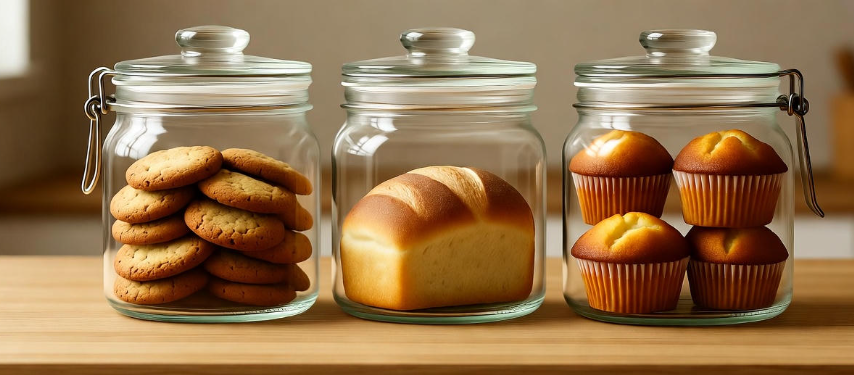
How to Store Baked Goods the Right Way 🍞🍪
Quick Freshness Boosting Hacks
-
Add a slice of apple or orange peel in your cookie jar — keeps them soft and adds subtle aroma.
-
Wrap banana bread in parchment, then foil — perfect moisture balance.
-
Keep brownies with a piece of tortilla inside the container (yes, it works!).
How to Freeze Baked Goods Properly ❄️
Freezing is your best friend if you want to keep baked items for weeks or months.
Steps to freeze baked goods:
-
Let them cool completely.
-
Wrap tightly in plastic wrap or foil.
-
Place in freezer bags (remove air before sealing).
-
Label with name and date.
Thawing tips:
-
For cookies or muffins — thaw at room temperature.
-
For cakes — thaw in the fridge overnight.
-
For bread — toast or warm in the oven for 5 minutes.
FAQs 🙋♀️
Q1. Can I store all baked goods in the fridge?
No. The fridge can actually dry out most baked goods. Only refrigerate items that contain cream, custard, or dairy fillings.
Q2. How do I bring stale cookies back to life?
Place them in a warm oven (around 300°F or 150°C) for 3–5 minutes. They’ll regain their crunch.
Q3. What’s the best way to store leftover frosting?
Store it in an airtight container in the fridge for up to a week, or freeze it for up to 3 months.
Q4. Can I freeze decorated cakes?
Yes, but freeze them uncovered first for 1–2 hours, then wrap tightly in plastic wrap and foil. This keeps the frosting from smudging.
Q5. My bread always molds fast. What should I do?
Keep it in a cool, dry place in a paper bag or bread box. If your kitchen is humid, freezing slices works better.
Final Thoughts 💡
Good baking isn’t just about what happens in the oven — it’s also about how you care for your creations afterward. Storing baked goods properly means more than avoiding waste; it’s about keeping flavor, texture, and love intact. Whether it’s that perfectly chewy cookie or the soft loaf of bread you worked hard on, the right storage can make them last — and taste — just as amazing as day one.
So next time you bake, remember — cooling, wrapping, and storing are as important as mixing and baking. Treat your baked goods with care, and they’ll thank you with every bite! 🧁✨






muy buen todo y practico