
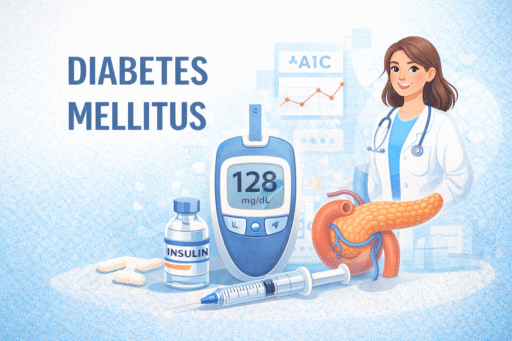

Diabetes Mellitus: Types, Symptoms, Causes, Diagnosis, and Management
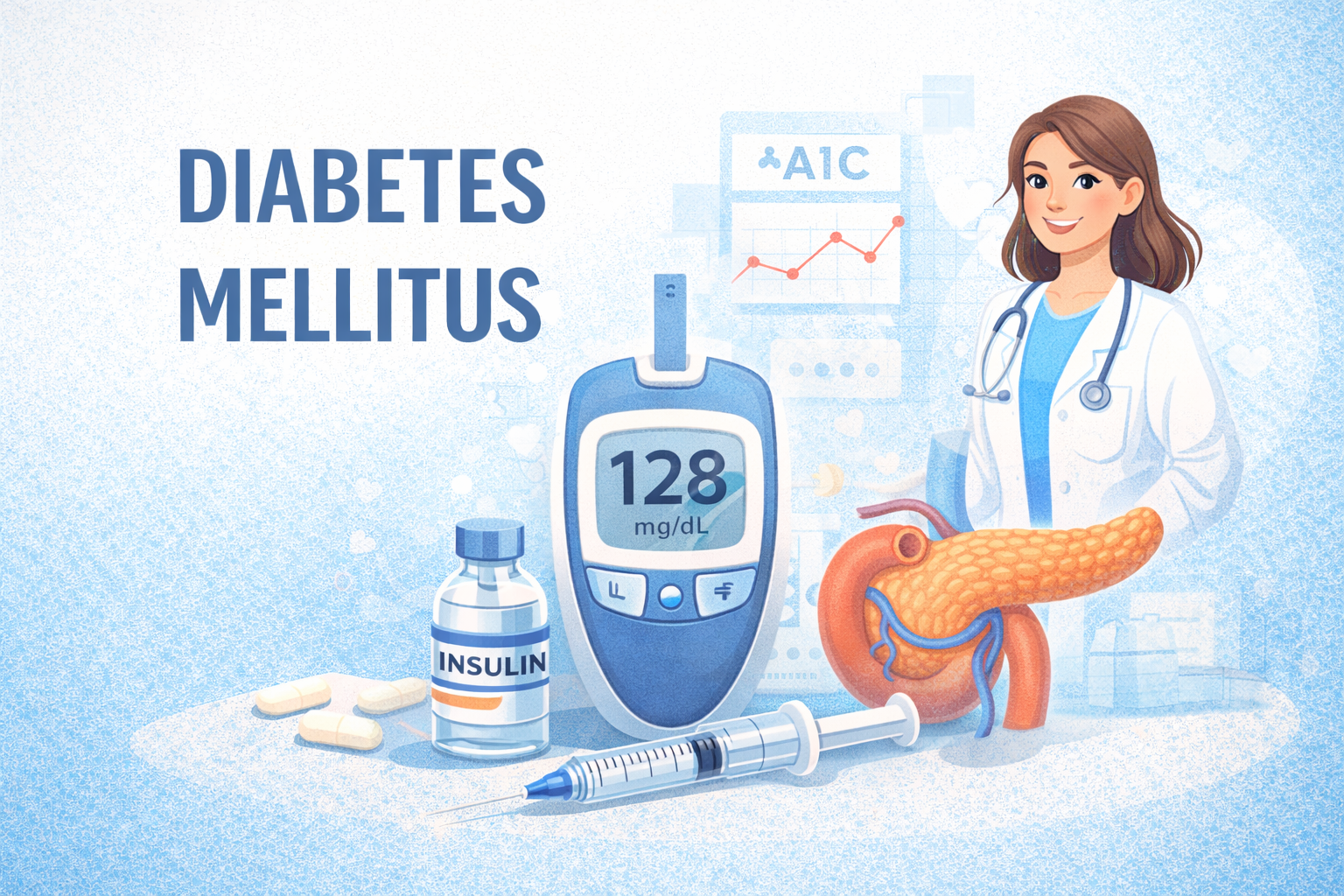
Diabetes mellitus is a chronic metabolic condition that affects how the body processes glucose, a vital source of energy. It is one of the most common long-term health conditions worldwide and a major focus of modern healthcare systems. Understanding diabetes mellitus is essential not only for those living with the condition but also for individuals interested in preventive health and long-term wellness.
What Is Diabetes Mellitus?
Diabetes mellitus is a group of metabolic disorders characterized by elevated blood glucose levels over a prolonged period. This occurs when the body either does not produce enough insulin or cannot effectively use the insulin it produces.
Insulin is a hormone made by the pancreas that allows glucose to enter cells and be used for energy. When this process is disrupted, glucose accumulates in the bloodstream, leading to various health complications if not properly managed.
Types of Diabetes Mellitus
Type 1 Diabetes
Type 1 diabetes is an autoimmune condition in which the immune system attacks insulin-producing cells in the pancreas. As a result, the body produces little or no insulin. This type often develops during childhood or adolescence, though it can occur at any age.
Type 2 Diabetes
Type 2 diabetes is the most common form of diabetes mellitus. It occurs when the body becomes resistant to insulin or does not produce enough insulin to maintain normal glucose levels. Lifestyle factors, genetics, and age can influence its development.
Gestational Diabetes
Gestational diabetes occurs during pregnancy and usually resolves after childbirth. However, it increases the risk of developing type 2 diabetes later in life for both the parent and the child.
Other Specific Types
Less common forms include diabetes caused by genetic conditions, pancreatic disease, or certain medications. These types require specialized medical evaluation and care.
Common Symptoms of Diabetes Mellitus
Symptoms can vary depending on blood glucose levels and the type of diabetes. Some individuals may experience mild or no symptoms initially.
Common Signs May Include:
-
Increased thirst
-
Frequent urination
-
Fatigue
-
Unexplained weight changes
-
Blurred vision
-
Slow-healing wounds
Early recognition of symptoms is important for timely diagnosis and management.
Causes and Risk Factors
Genetic Factors
A family history of diabetes increases the likelihood of developing the condition, particularly for type 2 diabetes.
Lifestyle Factors
Sedentary behavior, poor dietary habits, and excess body weight are commonly associated with insulin resistance.
Hormonal and Medical Factors
Certain hormonal imbalances, medical conditions, and medications can affect insulin production or function.
Understanding risk factors helps guide prevention strategies and early intervention.
Diagnosis of Diabetes Mellitus
Diagnosis typically involves blood tests that measure glucose levels. Healthcare providers may use:
-
Fasting blood glucose tests
-
Glycated hemoglobin (A1C) tests
-
Oral glucose tolerance tests
Diagnosis is made based on established medical guidelines and confirmed by a healthcare professional.
Managing Diabetes Mellitus
Diabetes management focuses on maintaining blood glucose levels within a healthy range to reduce the risk of complications.
Lifestyle Management
-
Balanced nutrition
-
Regular physical activity
-
Weight management
-
Stress management
Lifestyle changes are foundational for all types of diabetes.
Medical Management
Depending on the type and severity, medical management may include:
-
Oral medications
-
Injectable therapies
-
Insulin therapy
Treatment plans are personalized and adjusted over time based on response and health status.
Monitoring and Long-Term Care
Regular monitoring is essential for effective diabetes management. This may involve:
-
Blood glucose monitoring
-
Routine medical checkups
-
Screening for complications
Long-term care focuses on preventing complications affecting the heart, kidneys, nerves, eyes, and other organs.
Potential Complications
When not properly managed, diabetes mellitus may increase the risk of:
-
Cardiovascular disease
-
Kidney disease
-
Vision impairment
-
Nerve damage
Early diagnosis and consistent care significantly reduce these risks.
Prevention and Risk Reduction
While not all forms of diabetes are preventable, certain strategies may lower risk:
-
Maintaining a healthy weight
-
Staying physically active
-
Following a balanced diet
-
Regular health screenings
Preventive healthcare plays a key role in reducing the global burden of diabetes.
Living Well with Diabetes Mellitus
Many individuals with diabetes lead full, active lives with proper management and support. Education, medical care, and lifestyle adjustments empower people to maintain quality of life and long-term health.
Support systems, including healthcare providers and educational resources, are essential for successful diabetes management.
Conclusion
Diabetes mellitus is a complex but manageable condition when addressed with informed care and professional guidance. Advances in medical research, treatment options, and education continue to improve outcomes for individuals worldwide.
Understanding the condition is the first step toward prevention, early detection, and effective long-term management.









Clear, informative overview of diabetes that emphasizes awareness, prevention, and effective long-term management strategies.