
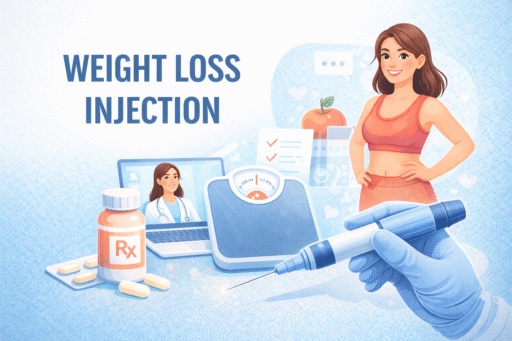

Weight Loss Injection: What It Is, How It Works, and What to Consider
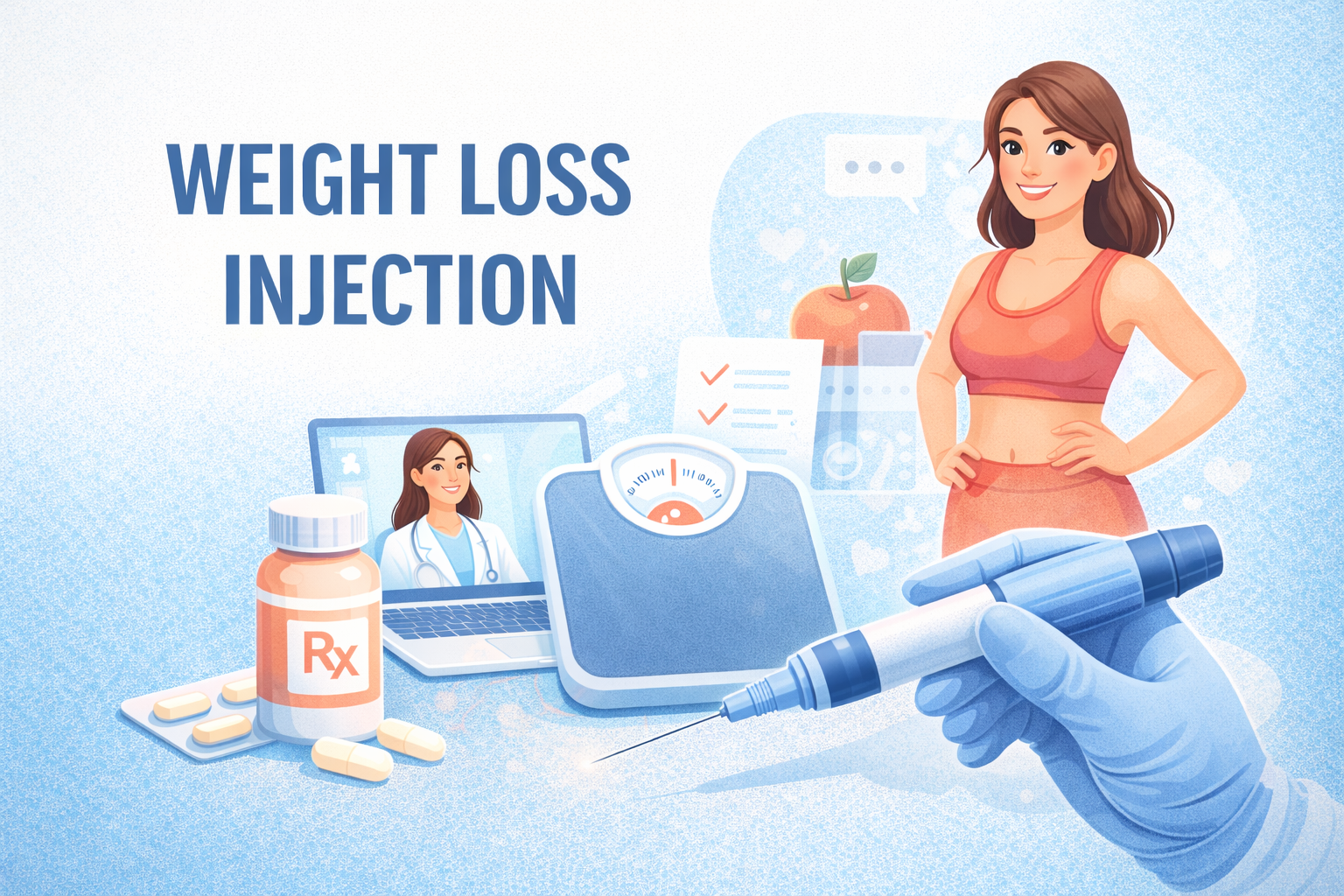
Weight management has become a major focus of modern healthcare as more people seek effective, medically supervised solutions for long-term health. Among the many approaches discussed today, weight loss injections have gained attention as part of structured medical weight management programs. These injections are typically prescription-based and administered under professional guidance.
This article provides a clear, educational overview of weight loss injections, including how they work, who may be eligible, potential benefits, and important safety considerations.
What Is a Weight Loss Injection?
A weight loss injection generally refers to a prescription medication administered by injection that supports weight management when combined with lifestyle changes. These medications are developed to influence appetite regulation, metabolism, or blood sugar control.
Weight loss injections are not cosmetic treatments or quick fixes. They are part of a medical approach to weight management that prioritizes safety, monitoring, and long-term outcomes.
How Weight Loss Injections Work
Many weight loss injections function by interacting with hormones involved in hunger and digestion. Some mimic naturally occurring hormones that help regulate appetite and feelings of fullness.
Common Mechanisms May Include:
-
Reducing appetite signals
-
Increasing feelings of fullness
-
Slowing digestion
-
Supporting blood sugar regulation
These effects may help individuals consume fewer calories over time, supporting gradual and sustainable weight loss when paired with healthy habits.
Medical Supervision and Prescription Requirements
Weight loss injections are prescription-only treatments. Before starting, a healthcare provider typically conducts a thorough evaluation that may include:
-
Medical history review
-
Weight-related health assessment
-
Evaluation of existing conditions
-
Discussion of goals and expectations
This process ensures that treatment is appropriate and safe for the individual.
Who May Be Considered for Weight Loss Injections
Eligibility for weight loss injections depends on individual health factors. Healthcare professionals may consider them for individuals who:
-
Have weight-related health risks
-
Have not achieved results with lifestyle changes alone
-
Can commit to ongoing medical monitoring
Not everyone qualifies, and professional evaluation is essential.
Weight Loss Injections and Lifestyle Changes
Medication alone is not a complete solution. Most healthcare providers emphasize that weight loss injections work best when combined with:
-
Behavioral support
-
Consistent follow-up care
This comprehensive approach helps support long-term health rather than short-term results.
Potential Benefits of Medically Guided Weight Loss
When used appropriately, weight loss injections may offer benefits such as:
-
Structured support and accountability
-
Professional monitoring
-
Personalized treatment plans
-
Focus on overall health outcomes
Medical supervision reduces risks and ensures adjustments are made when necessary.
Safety Considerations and Monitoring
As with any prescription medication, weight loss injections involve safety considerations. Healthcare providers monitor:
-
Tolerance and response
-
Side effects
-
Progress toward health goals
-
Overall well-being
Regular check-ins allow providers to adjust treatment or discontinue use if needed.
Weight Loss Injections vs. Non-Medical Approaches
Non-Medical Approaches
-
Diet and exercise plans
-
Wellness coaching
-
Self-guided lifestyle changes
Medical Approaches
-
Professional evaluation
-
Prescription treatments
-
Structured monitoring
Both approaches can be effective, but medical treatments are typically reserved for individuals with specific health needs.
Telehealth and Weight Loss Injections
Telehealth has expanded access to medical weight management. Some programs offer:
-
Online health assessments
-
Virtual consultations
-
Ongoing digital support
Telehealth models aim to combine convenience with professional standards of care.
Cost and Accessibility
Costs for weight loss injections vary based on:
-
Type of medication
-
Healthcare provider
-
Insurance coverage
-
Program structure
Individuals should discuss coverage, affordability, and alternatives with their provider before starting treatment.
Managing Expectations
Weight loss injections are not instant solutions. Results typically occur gradually and depend on factors such as:
-
Individual metabolism
-
Lifestyle habits
-
Consistency with treatment
-
Overall health
Sustainable weight management requires patience and long-term commitment.
The Importance of Education in Weight Management
Education empowers individuals to make informed decisions. Understanding how weight loss injections work helps people:
-
Evaluate risks and benefits
-
Set realistic goals
Informed participation leads to better outcomes and long-term success.
Final Thoughts
Weight loss injections are part of a growing field of medically supervised weight management solutions. While they may offer support for some individuals, they are not suitable for everyone and should only be used under professional guidance.
A safe, effective weight management plan prioritizes medical evaluation, lifestyle changes, and long-term health over quick results.






Me parece una buena información me sirvió mucho gracias
Thank you for this amazing information, now I gain some key info that are very valuable to me
Thanks
This read is very informative, I have more knowledge about weight loss and now I can begin my goals and journey. Thank you.
Thank you for this tips, it’s helpful