
Ever baked a cake that looked like a mountain on one side and a valley on the other? Or maybe it came out dense instead of soft and fluffy? We’ve all been there. Baking a perfect cake isn’t just about mixing ingredients and tossing it in the oven — it’s actually a small science experiment that happens right inside your kitchen.
If you’ve ever wondered why your cake rises (or doesn’t), let’s uncover the science behind that magical moment when a simple batter turns into a light, fluffy cake.
What Really Happens When You Bake a Cake 🔬
When you slide that pan into the oven, several chemical reactions start happening almost instantly. Each ingredient you added — flour, eggs, sugar, baking powder, and even water — plays its own little role in helping your cake rise perfectly.
Let’s break this down like a kitchen scientist.
| Ingredient | Role in Cake Rising | What Really Happens |
|---|---|---|
| Flour | Structure builder | Forms gluten, trapping air bubbles |
| Eggs | Binder and leavener | Traps air and solidifies during baking |
| Sugar | Tenderizer | Slows gluten formation, adds moisture |
| Fat (Butter/Oil) | Texture enhancer | Coats flour particles, keeps cake soft |
| Baking powder/soda | Chemical leavener | Releases carbon dioxide to lift the cake |
| Liquid (milk/water) | Activator | Helps dissolve ingredients and start reactions |
Each of these works together — and if one goes out of balance, your cake can fall flat (literally).
How Air Becomes the Secret Ingredient 🫧
The first stage of rising actually starts before you even put your cake in the oven. When you cream butter and sugar together, you’re trapping tiny air bubbles inside the fat. These bubbles expand when heated, giving your cake that beautiful lift.
That’s why bakers always say, “Cream until it’s light and fluffy.” It’s not just for looks — it’s for physics!
If you skip this step or rush it, your batter won’t have enough trapped air, and your cake may turn out dense.
The Role of Baking Powder and Baking Soda 🧪
Now here’s where real chemistry kicks in.
Both baking powder and baking soda are chemical leaveners, which means they produce gas to make the cake rise. But they work differently:
| Leavener | How It Works | When It Works |
|---|---|---|
| Baking Soda | Reacts with acids (like yogurt, lemon juice, vinegar) to release CO₂ | Immediately after mixing |
| Baking Powder | Contains both acid and base; activates twice — once when wet and once when heated | During mixing and baking |
If you use too little, your cake won’t rise enough. Too much, and you’ll end up with a bitter taste or a cracked top.
So, balance is everything.
Heat — The Invisible Hand of Cake Magic 🔥
As your cake bakes, the heat does three big things:
-
Expands air and gas bubbles (from mixing and leaveners)
-
Sets the protein and starch (so the structure doesn’t collapse)
-
Evaporates moisture (giving your cake that delicate crumb texture)
The oven’s temperature controls how fast all of this happens. A too-hot oven can make your cake rise too quickly and then fall in the center. Too cool, and it’ll stay dense and heavy.
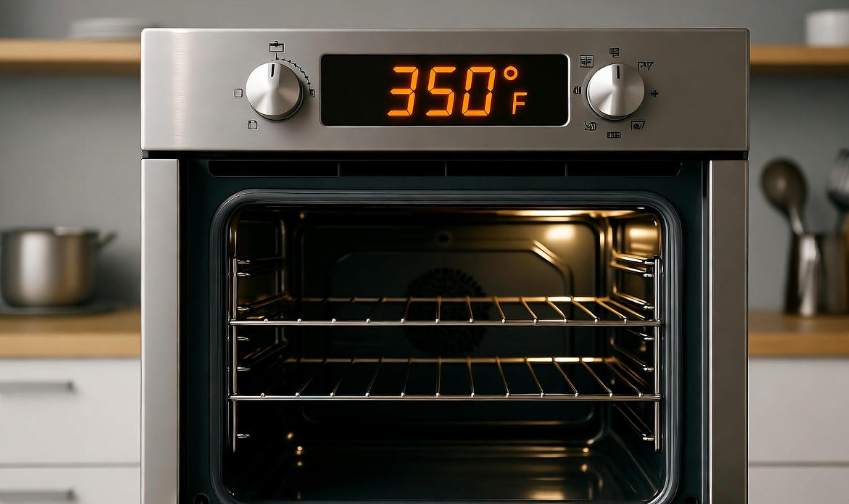
A steady 170–180°C (340–355°F) is usually the sweet spot for most cakes.
The Power of Eggs — Nature’s Little Engineers 🥚
Eggs do more than just bind your batter together. The proteins in eggs create a flexible network that traps air and moisture. As the cake bakes, those proteins solidify and hold the structure in place.
The yolks add richness and moisture, while the whites help with lift and structure. If you’ve ever seen sponge cakes or angel food cakes rise beautifully — that’s mostly the egg whites doing their job.
Why Sugar Is More Than Just Sweetness 🍬
Sugar doesn’t just make your cake taste good — it also affects texture, moisture, and color. When heated, sugar caramelizes, giving that lovely golden crust.
But here’s something many don’t know: sugar slows down gluten formation. That’s why sugary cakes are softer and more tender.
Without enough sugar, the cake can turn rubbery. Too much sugar, though, can make it heavy or overly moist. It’s all about that balance again!
Flour and Gluten — The Cake’s Skeleton 🍞
Think of gluten as the invisible skeleton inside your cake. It’s formed when two proteins in flour — glutenin and gliadin — combine with water. This network traps gases and gives your cake structure.
But too much gluten can make a cake tough. That’s why cakes use cake flour, which has less protein than all-purpose flour. It helps keep things soft and delicate.
The Role of Fat — Butter, Oil, and Beyond 🧈
Fat adds richness and tenderness to a cake. It coats the flour particles and prevents too much gluten from forming, keeping your cake soft instead of chewy.
Butter also adds flavor, while oil helps retain moisture even after the cake cools.
Here’s a quick comparison 👇
| Fat Type | Texture Result | Best For |
|---|---|---|
| Butter | Rich, flavorful, slightly dense | Pound cakes, butter cakes |
| Oil | Moist, light, spongy | Chocolate, carrot, or chiffon cakes |
The Oven Spring — That Magic Moment 🌋
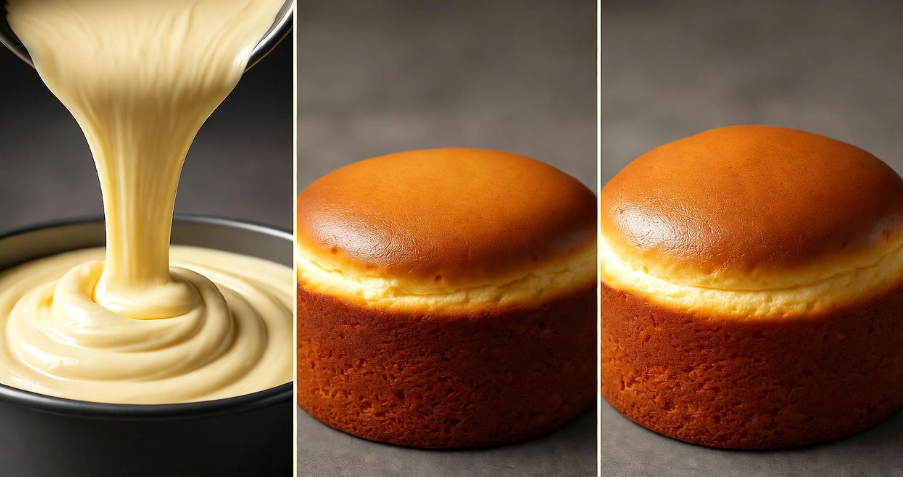
The first few minutes in the oven are the most exciting. The batter starts to warm up, and the gases trapped inside expand rapidly. This sudden lift is called oven spring.
Once the structure sets (as proteins and starches firm up), the cake stops rising and holds its shape. Timing this perfectly is the secret to an even, fluffy cake.
Common Cake Rising Problems (And How to Fix Them) ⚠️
| Problem | Cause | Quick Fix |
|---|---|---|
| Cake didn’t rise | Not enough leavening or overmixing | Check freshness of baking powder/soda |
| Cake rose unevenly | Uneven oven heat | Rotate the pan halfway through baking |
| Cake sank in middle | Underbaked or too much leavener | Bake a few extra minutes; reduce leavener next time |
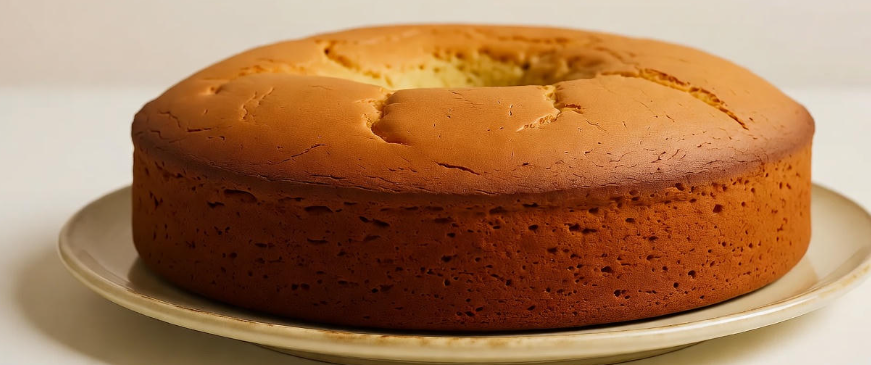
| Cake cracked on top | Oven too hot | Lower temperature slightly |
| Cake too dense | Overmixed batter | Mix only until ingredients are just combined |
Humidity, Altitude, and Your Kitchen Environment 🌦️
Even the air around you can affect your cake.
At high altitudes, air pressure is lower, so cakes can rise too fast and then collapse. You might need to reduce baking powder slightly and increase liquid.
Humidity also affects flour — it can absorb moisture from the air, changing the consistency of your batter.
That’s why professional bakers often say, “No two kitchens bake the same cake.”
Temperature of Ingredients — It Really Matters 🧊🔥
Cold eggs, butter, or milk can mess with your cake’s rise. Ingredients at room temperature blend better, trapping more air and creating a smoother batter.
If your butter is too cold, it won’t cream properly. If it’s melted, it can’t trap air. The perfect butter for creaming is soft but not greasy — just slightly firm to the touch.
The Final Touch — Cooling and Setting 🧁
Once baked, resist the urge to slice into your cake right away. It’s still setting!
As it cools, steam escapes, and the structure stabilizes. Cutting too soon can make the cake collapse or become gummy.
A simple tip: let it rest in the pan for 10–15 minutes, then transfer to a wire rack to cool completely.
Quick Tips for a Perfectly Rising Cake Every Time 📝
✅ Use fresh baking powder or baking soda (check expiry!)
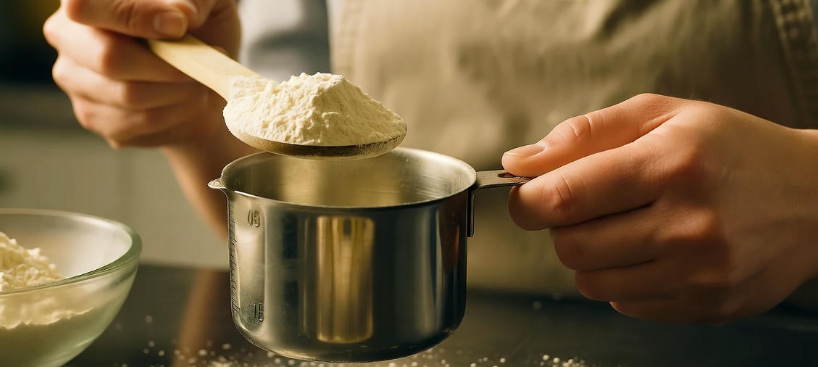
✅ Measure ingredients accurately — baking is chemistry, not guesswork
✅ Don’t overmix — mix until just combined
✅ Keep all ingredients at room temperature
✅ Preheat the oven properly before baking
✅ Avoid opening the oven door too early
✅ Let the cake cool slowly after baking
Fun Fact Table 🍰
| Did You Know? | Fun Baking Fact |
|---|---|
| Cake was originally a bread | Early cakes were just sweetened bread with honey |
| Eggs can double in volume when whipped | That’s why sponge cakes rise so well |
| Baking powder was invented in 1843 | By Alfred Bird, for his wife who was allergic to yeast |
| Air bubbles are the real stars | Without them, your cake can’t rise! |
FAQs About Cake Rising 🎂
Q1. Why does my cake rise unevenly?
Uneven oven temperature or improper mixing can cause one side to rise more. Try rotating the pan halfway through baking and ensuring your oven rack is level.
Q2. What happens if I overmix the batter?
Overmixing develops too much gluten, making the cake dense or chewy. Always mix just until ingredients are combined.
Q3. Can I substitute baking soda for baking powder?
Not directly. Baking soda needs an acid to activate. If you’re replacing it, add something acidic like yogurt or lemon juice to balance it.
Q4. Why did my cake sink after baking?
That usually means it was underbaked or the oven door was opened too soon. Let it bake fully and cool gradually.
Q5. How do I make my cake extra fluffy?
Use room-temperature ingredients, cream butter and sugar properly, and don’t overmix. You can also fold in whipped egg whites gently for extra airiness.
Final Thought 🌟
Baking the perfect cake isn’t about luck — it’s about science, timing, and balance. Every ingredient and every step has a purpose. When they all work together in harmony, you get that beautiful rise, golden crust, and melt-in-the-mouth softness.
So the next time you bake, remember — you’re not just making dessert, you’re performing a little kitchen chemistry experiment that ends in pure joy. 🎂💛