
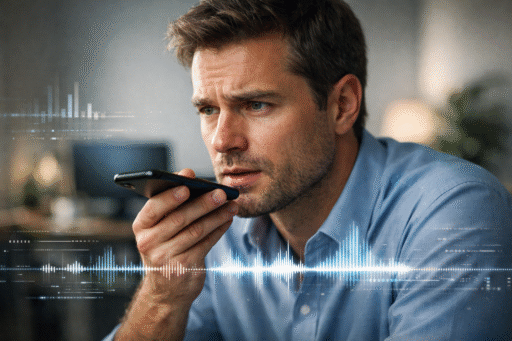


The Science Behind Vocal Stress Detection
Stress doesn’t just affect how you feel it changes how you sound. From subtle shifts in tone to noticeable differences in pitch and speech patterns, your voice can reveal a lot about your stress level. In today’s fast-paced world, understanding how voice reveals stress is becoming increasingly important, especially in healthcare, mental wellness, and even workplace productivity.
This guide explores the science behind vocal stress detection, how it works, and why it matters.
What Is Vocal Stress Detection?
Vocal stress detection (VSD) refers to the process of analyzing speech patterns to identify signs of stress, anxiety, or emotional strain. Advanced technologies and artificial intelligence (AI) tools can now detect micro-changes in voice that humans might not consciously notice.
These systems analyze:
- Pitch and tone variations
- Speech rate and pauses
- Voice tremors
- Frequency patterns
By examining these elements, professionals and software can assess whether a person is under stress even if they appear calm.
How Stress Affects Your Voice
When you’re stressed, your body activates the fight-or-flight response, releasing hormones like cortisol and adrenaline. These physiological changes directly impact your vocal cords and breathing.
Here’s how stress shows up in your voice:
1. Higher Pitch
Stress tightens your vocal cords, often causing your voice to sound higher than usual.
2. Faster Speech
Anxious individuals tend to speak more quickly, sometimes stumbling over words.
3. Voice Tremors
Nervousness can create slight shaking or instability in the voice.
4. Irregular Pauses
Stress can lead to awkward pauses or fillers like “um” and “uh.”
5. Reduced Clarity
You may mumble or lose articulation when under pressure.
The Role of AI in Detecting Stress Through Voice
Artificial intelligence is revolutionizing how we detect stress levels through voice analysis. AI-powered tools use machine learning algorithms to analyze large datasets of speech and identify patterns linked to stress.
Key Applications:
- Mental health monitoring
- Customer service quality analysis
- Call center performance optimization
- Lie detection research
- Remote health diagnostics
Many modern apps and wearable devices now integrate voice analysis features to provide real-time stress insights.
Benefits of Voice-Based Stress Detection
Understanding stress through voice offers several advantages:
Early Detection of Mental Health Issues
Voice analysis can identify stress before it becomes chronic anxiety or depression.
Non-Invasive Monitoring
Unlike medical tests, voice analysis requires no physical procedures.
Real-Time Feedback
Users can receive immediate insights and adjust behavior accordingly.
Improved Workplace Productivity
Employers can monitor burnout levels and improve employee well-being.
Limitations and Ethical Considerations
While promising, vocal stress detection is not perfect.
- Accuracy Concerns: Background noise and individual voice differences can affect results.
- Privacy Issues: Recording and analyzing voice data raises ethical questions.
- Context Matters: Stress indicators can vary based on culture, personality, and situation.
Always ensure tools comply with privacy regulations and obtain proper consent.
Practical Ways to Manage Stress in Your Voice
If you notice stress affecting your speech, here are simple strategies to regain control:
- Practice deep breathing before speaking
- Slow down your speech consciously
- Stay hydrated to maintain vocal clarity
- Engage in regular relaxation techniques like meditation
- Take breaks during high-pressure situations
Why This Topic Matters for the Future
As technology continues to evolve, voice may become a key biomarker for emotional and mental health. From telemedicine to smart assistants, detecting stress through voice could transform how we approach wellness and communication.
Conclusion
Your voice is more than a communication tool it’s a window into your emotional state. By understanding how voice reveals stress level, individuals and organizations can take proactive steps toward better mental health and performance.
With AI-driven innovations and growing awareness, voice-based stress detection is set to become a powerful tool in modern healthcare and beyond.









tres interressant comme publication ca ma donne le temps de connaitre comment combattre le stress