

Introduction
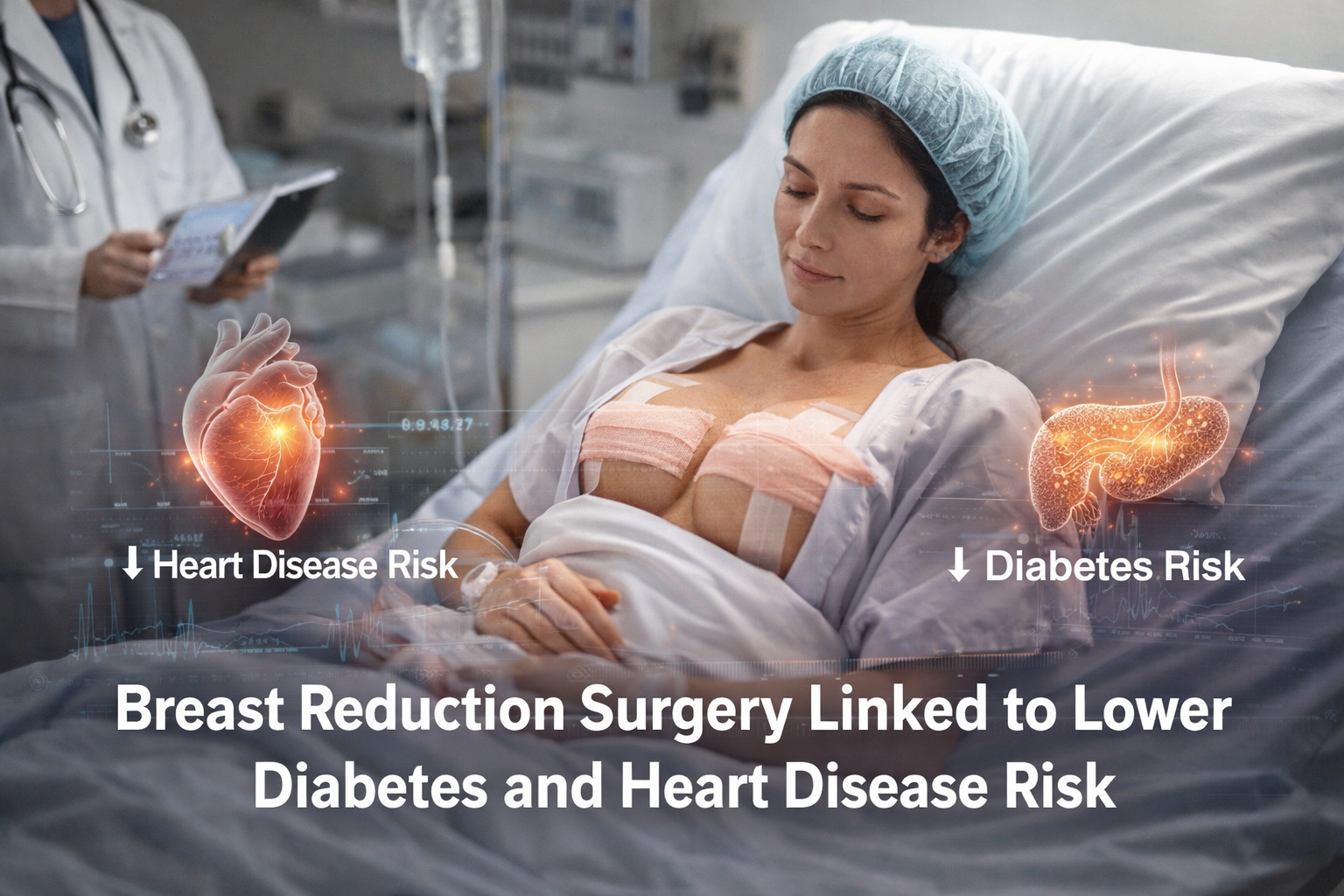
Breast reduction surgery, medically known as reduction mammoplasty, is often associated with physical comfort and improved quality of life. However, emerging research suggests that it may offer additional health benefits, including a reduced risk of diabetes and cardiovascular disease.
With rising global concerns about chronic conditions like type 2 diabetes and heart disease, understanding potential preventive measures even unexpected ones like breast reduction surgery can be valuable. This article explores the connection, backed by medical insights and current research.
What Is Breast Reduction Surgery?
Breast reduction surgery is a cosmetic and medically indicated procedure that removes excess breast tissue, fat, and skin to achieve a more proportionate breast size.
Common Reasons for the Procedure
- Chronic neck, back, and shoulder pain
- Skin irritation beneath the breasts
- Posture problems
- Difficulty with physical activity
- Emotional or psychological discomfort
While traditionally viewed as a quality-of-life procedure, its potential impact on broader health outcomes is gaining attention.
The Link Between Breast Reduction and Chronic Disease Risk
Recent studies have found a correlation between breast reduction surgery and lower rates of metabolic and cardiovascular conditions, including:
- Type 2 diabetes
- Hypertension (high blood pressure)
- Heart disease
Why Might This Happen?
Several factors may explain this connection:
1. Improved Physical Activity
Large breasts can limit mobility and make exercise uncomfortable. After surgery, many patients report increased ability to engage in physical activity, which directly reduces the risk of diabetes and heart disease.
2. Better Metabolic Health
Excess body fat especially in certain distributions can contribute to insulin resistance. Reducing fatty tissue may improve metabolic function over time.
3. Reduced Chronic Inflammation
Chronic inflammation is a key contributor to cardiovascular disease. Some researchers suggest that removing excess tissue may help lower systemic inflammation levels.
4. Enhanced Mental Well-being
Improved self-image and reduced discomfort often lead to better mental health, which is indirectly linked to healthier lifestyle choices.
Key Research Findings
- Studies have shown that women who undergo breast reduction surgery may experience lower long-term incidence of diabetes and cardiovascular conditions compared to those who do not.
- Patients often report significant improvements in physical activity levels, which is a major protective factor against chronic disease.
- Some findings suggest reduced healthcare utilization related to obesity-linked conditions after surgery.
Note: While these associations are promising, they do not prove direct causation. More long-term research is ongoing.
Benefits Beyond Risk Reduction
In addition to potential reductions in diabetes and heart risk, breast reduction surgery offers:
- Immediate relief from physical discomfort
- Improved posture and spinal alignment
- Better sleep quality
- Increased participation in sports and fitness
- Higher self-confidence and quality of life
Risks and Considerations
Like any surgical procedure, breast reduction comes with potential risks:
- Infection or bleeding
- Scarring
- Changes in nipple sensation
- Breastfeeding challenges
- Anesthesia-related complications
It is important to consult a board-certified plastic surgeon and undergo a full medical evaluation before proceeding.
Cost and Insurance Coverage
Typical Cost Range
- $5,000 – $10,000 (varies by location and provider)
Insurance Possibilities
Many insurance providers may cover breast reduction surgery if it is deemed medically necessary (e.g., chronic pain, documented symptoms).
High-CPC related keywords:
- health insurance coverage for breast reduction
- affordable plastic surgery options
- medical necessity documentation
Who Is a Good Candidate?
You may be a suitable candidate if you:
- Experience physical discomfort due to large breasts
- Are in generally good health
- Have realistic expectations
- Are not planning significant weight changes
Frequently Asked Questions (FAQs)
Does breast reduction cure diabetes or heart disease?
No. It may reduce risk factors, but it is not a treatment or cure for these conditions.
How long is recovery?
Most patients recover within 4–6 weeks, with gradual return to full activity.
Will results be permanent?
Results are generally long-lasting, though factors like weight changes and aging can affect outcomes.
Final Thoughts
The idea that breast reduction surgery may lower the risk of diabetes and heart disease adds a compelling dimension to an already beneficial procedure. While it should not be viewed as a primary preventive strategy, it can play a role in a holistic approach to health and wellness.
If you are considering breast reduction, consult with a qualified healthcare provider to explore both the aesthetic and medical benefits tailored to your situation.