

Benefits, Uses, Side Effects, and Weight Loss Explained
What Is GLP-1?
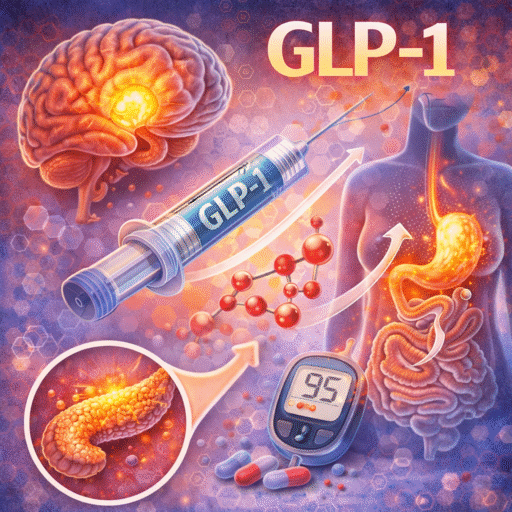
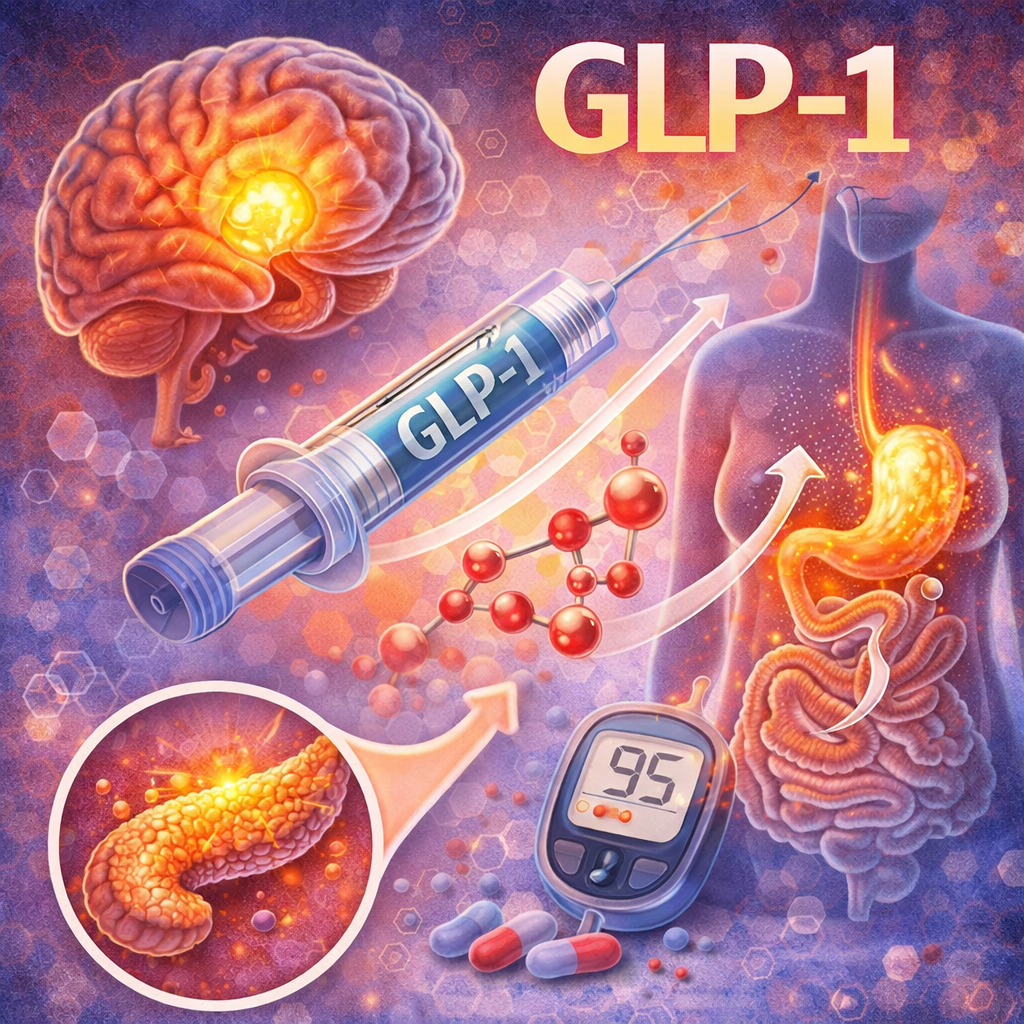
GLP-1 (Glucagon-Like Peptide-1) is a naturally occurring hormone that plays a crucial role in regulating blood sugar levels, appetite, and digestion. It is released in the gut after eating and helps the body maintain glucose balance by stimulating insulin secretion and reducing glucagon release.
How GLP-1 Works in the Body
GLP-1 affects several systems in the body:
- Boosts insulin production when blood sugar levels rise
- Slows gastric emptying, helping you feel full longer
- Reduces appetite, leading to lower calorie intake
- Suppresses glucagon, preventing excess sugar release
These combined effects make GLP-1 highly effective for both blood sugar control and weight management.
Medications: What You Should Know
GLP-1 receptor agonists are prescription medications that mimic the effects of natural GLP-1. Popular examples include:
- Semaglutide (Ozempic, Wegovy)
- Liraglutide (Saxenda, Victoza)
- Dulaglutide (Trulicity)
These medications are commonly prescribed for:
- Type 2 diabetes management
- Chronic weight management in adults with obesity or overweight conditions
Benefits for Weight Loss
One of the biggest reasons GLP-1 drugs are trending is their effectiveness in weight loss.
How GLP-1 Helps You Lose Weight
- Reduces hunger and cravings
- Promotes a feeling of fullness (satiety)
- Helps control portion sizes
- Supports long-term lifestyle changes
Clinical studies show that some GLP-1 medications can help individuals lose 10–15% of their body weight when combined with diet and exercise.
Benefits of GLP-1 Therapy
GLP-1 treatments offer several health benefits:
- Improved blood sugar control
- Reduced risk of cardiovascular disease
- Sustainable weight loss
- Lower appetite and better eating habits
- Potential improvement in metabolic health
These benefits make GLP-1 a valuable option for individuals struggling with obesity and diabetes.
Possible Side Effects of GLP-1
While GLP-1 medications are generally well tolerated, some users may experience side effects:
- Nausea
- Vomiting
- Diarrhea
- Constipation
- Mild stomach discomfort
Rare but serious risks may include:
- Pancreatitis
- Gallbladder issues
If you experience severe symptoms, seek medical attention immediately.
Who Should Consider GLP-1?
GLP-1 therapy may be suitable for:
- Adults with type 2 diabetes
- Individuals with a BMI ≥30 (obesity)
- Individuals with a BMI ≥27 with weight-related conditions
A healthcare provider can determine if GLP-1 treatment is right for you.
Who Should Avoid GLP-1?
GLP-1 medications may not be recommended for:
- Pregnant or breastfeeding women
- Individuals with a history of certain thyroid cancers
- People with severe gastrointestinal conditions
Always consult a licensed healthcare professional before starting treatment.
Lifestyle Tips to Maximize GLP-1 Results
To get the best outcomes from GLP-1 therapy:
- Follow a balanced, nutrient-rich diet
- Engage in regular physical activity
- Stay hydrated
- Maintain consistent medication use as prescribed
- Monitor your progress with your doctor
Frequently Asked Questions (FAQs)
Is GLP-1 safe?
GLP-1 medications are FDA-approved and considered safe when prescribed by a healthcare provider.
How quickly does GLP-1 work?
Some effects, like appetite reduction, may begin within days, while significant weight loss can take weeks to months.
Do you regain weight after stopping GLP-1?
Weight regain is possible if lifestyle changes are not maintained after discontinuation.
Conclusion
GLP-1 is a powerful hormone that has transformed the treatment of type 2 diabetes and obesity. With proven benefits in blood sugar control and weight loss, GLP-1 medications are becoming a popular option for long-term health management.
However, they are not a one-size-fits-all solution. Proper medical guidance, combined with healthy lifestyle habits, is essential for achieving the best results.