
Effective Treatments, Options, and What to Expect
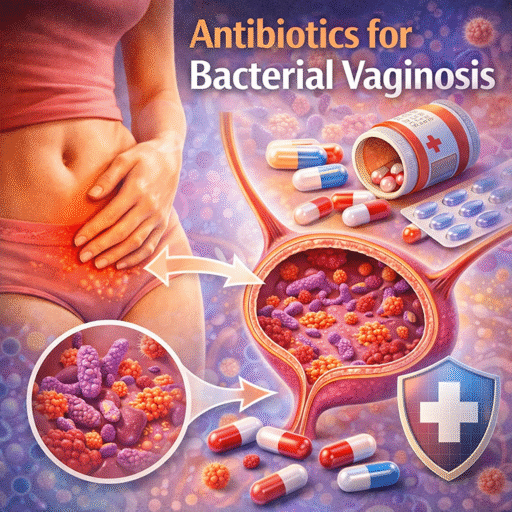
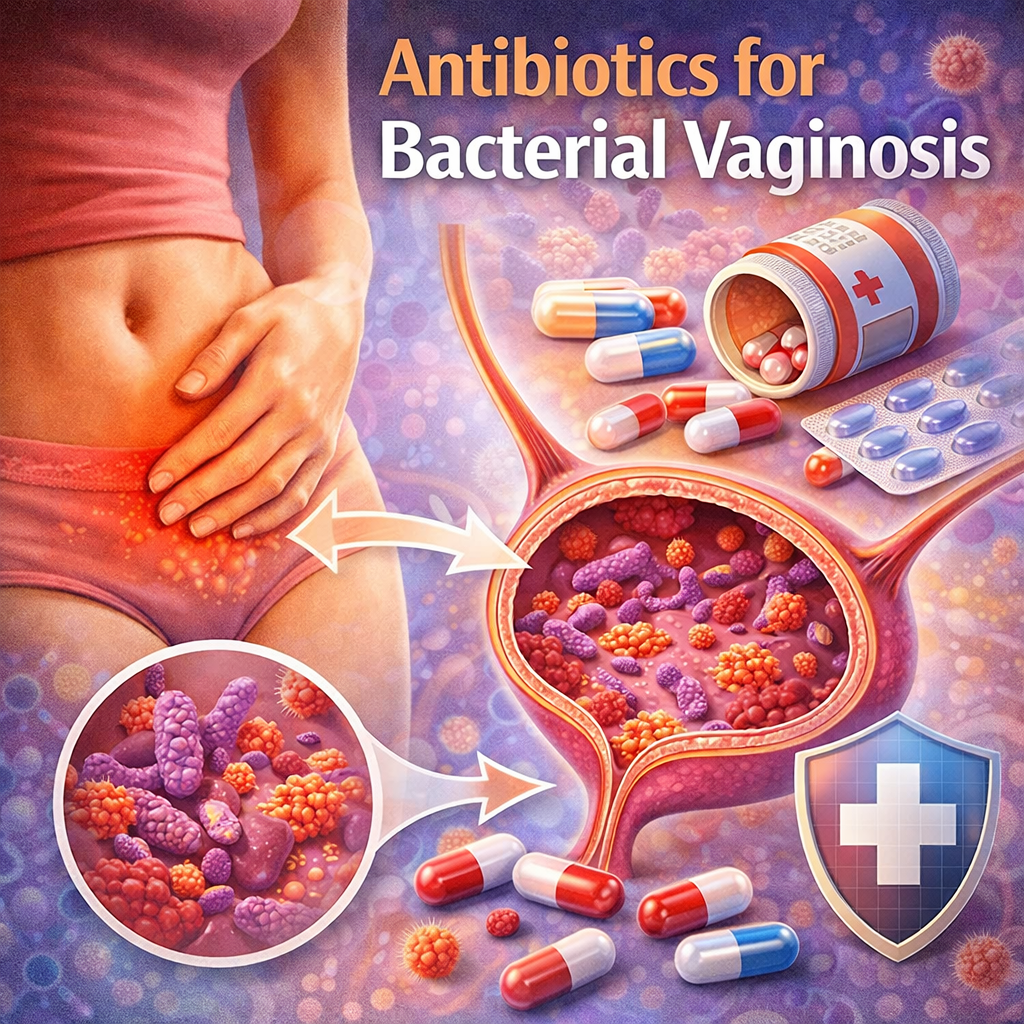
Bacterial vaginosis (BV) is one of the most common vaginal infections affecting women worldwide. While it’s not classified as a sexually transmitted infection (STI), it is closely linked to changes in vaginal bacteria balance. Fortunately, antibiotics for bacterial vaginosis are highly effective in treating and managing symptoms.
In this guide, we’ll cover the best antibiotics for BV, how they work, side effects, and tips for prevention.
What Is Bacterial Vaginosis?
Bacterial vaginosis occurs when there is an imbalance between “good” and “bad” bacteria in the vagina. Normally, Lactobacillus bacteria dominate, helping maintain a healthy environment. When harmful bacteria overgrow, BV develops.
Common Symptoms of BV
-
Thin gray or white vaginal discharge
-
Strong, fishy odor (especially after intercourse)
-
Vaginal itching or irritation
-
Burning during urination
Some women may not experience any symptoms at all.
Why Antibiotics Are Used for Bacterial Vaginosis
Antibiotics are the first-line treatment for bacterial vaginosis because they:
-
Eliminate harmful bacteria
-
Restore the natural vaginal balance
-
Relieve uncomfortable symptoms quickly
Doctors typically prescribe antibiotics either orally or as topical treatments (creams or gels).
Best Antibiotics for Bacterial Vaginosis
1. Metronidazole (Flagyl)
Metronidazole is the most commonly prescribed antibiotic for BV.
Forms:
-
Oral tablets
-
Vaginal gel (MetroGel)
Dosage:
-
Oral: Usually taken twice daily for 7 days
-
Gel: Applied once daily for 5 days
Key Benefits:
-
Highly effective
-
Widely available
-
Affordable treatment option
Possible Side Effects:
-
Nausea
-
Metallic taste
-
Avoid alcohol during treatment
2. Clindamycin (Cleocin)
Clindamycin is another effective option, especially for those who cannot tolerate metronidazole.
Forms:
-
Vaginal cream
-
Oral capsules
Dosage:
-
Cream: Applied at bedtime for 7 days
-
Oral: As prescribed by a doctor
Side Effects:
-
Mild irritation
-
Risk of yeast infection
-
Diarrhea (oral form)
3. Tinidazole (Tindamax)
Tinidazole is similar to metronidazole but often has fewer side effects.
Dosage:
-
Typically taken once daily for 2–5 days
Benefits:
-
Shorter treatment duration
-
Better tolerated by some patients
4. Secnidazole (Solosec)
A newer, single-dose oral antibiotic for BV.
Advantages:
-
One-time treatment
-
Convenient and effective
Considerations:
-
May be more expensive
-
Requires prescription
How Long Do Antibiotics Take to Work?
Most women notice improvement within 2 to 3 days of starting antibiotics. However, it’s important to:
-
Complete the full course
-
Avoid stopping early, even if symptoms disappear
Incomplete treatment may lead to recurrence.
Can Bacterial Vaginosis Come Back After Antibiotics?
Yes, recurrence is common. About 30% of women experience BV again within three months.
Tips to Prevent Recurrence
-
Avoid douching
-
Practice safe sex
-
Limit multiple sexual partners
-
Consider probiotics (consult your doctor)
When to See a Doctor
Seek medical advice if:
-
Symptoms persist after treatment
-
You experience frequent recurrences
-
You are pregnant and suspect BV
-
There is unusual pain or bleeding
Proper diagnosis is essential before starting antibiotics.
Are Over-the-Counter Treatments Effective?
Over-the-counter options may help relieve symptoms but do not replace antibiotics. BV requires prescription medication for effective treatment.
Safety and Important Considerations
-
Always follow your doctor’s instructions
-
Avoid alcohol with certain antibiotics like metronidazole
-
Inform your doctor about allergies or other medications
-
Do not self-diagnose; symptoms can mimic other infections
Conclusion
Antibiotics for bacterial vaginosis remain the most reliable and effective treatment option. Medications like metronidazole, clindamycin, tinidazole, and secnidazole can quickly restore balance and relieve symptoms.
While treatment is straightforward, recurrence is common making prevention and proper care essential for long-term vaginal health. Also read Bladder Infection Antibiotics: Best Treatments, Costs, and What to Know