

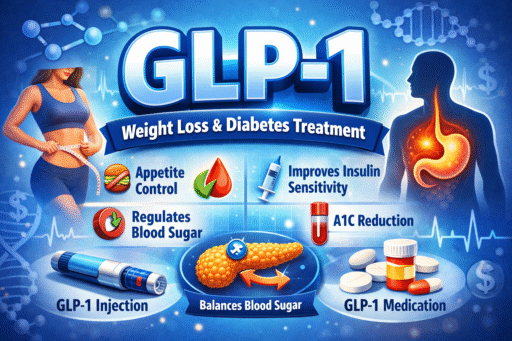
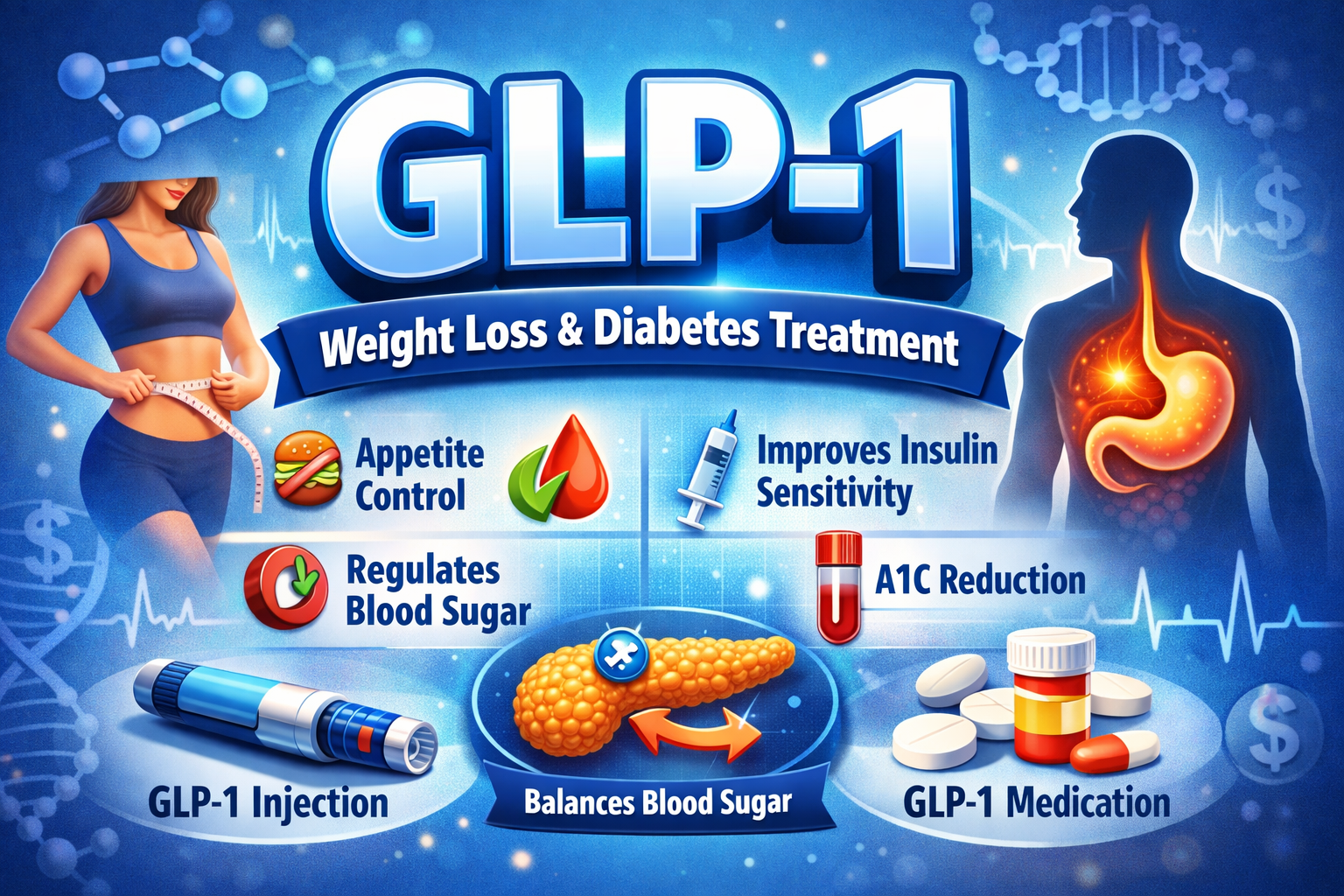

Understanding GLP-1: The Revolutionary Hormone in Diabetes and Weight Management
In the ever-evolving world of health and medicine, few discoveries have captured as much attention as GLP-1. Short for Glucagon-Like Peptide-1, this naturally occurring hormone plays a pivotal role in regulating blood sugar levels and appetite. With the rise of GLP-1 receptor agonists medications that mimic its effects millions of people worldwide are experiencing transformative benefits in managing type 2 diabetes and obesity. But what exactly is GLP-1, how does it work, and why has it become a cornerstone of modern endocrinology? In this comprehensive guide, we’ll delve deep into the science, applications, benefits, and potential drawbacks of GLP-1, providing you with the insights needed to understand this groundbreaking topic.
Whether you’re someone living with diabetes, exploring weight loss options, or simply curious about the latest advancements in metabolic health, this article will cover everything from the basics to the cutting-edge research. By the end, you’ll have a clear picture of how GLP-1 is reshaping healthcare and what it might mean for your well-being.
What Is GLP-1? A Deep Dive into Its Biology
GLP-1, or Glucagon-Like Peptide-1, is an incretin hormone produced in the intestines in response to food intake. Discovered in the 1980s, it belongs to a family of peptides that influence glucose metabolism. Unlike insulin, which is produced by the pancreas, GLP-1 is secreted by L-cells in the small intestine and colon. Its primary function is to enhance insulin secretion from the pancreas while suppressing glucagon release, which helps prevent blood sugar spikes after meals.
To put it simply, when you eat, your body releases GLP-1 to signal the pancreas to produce more insulin only when blood glucose levels are high. This glucose-dependent mechanism is what makes GLP-1 so unique it reduces the risk of hypoglycemia (low blood sugar) compared to traditional insulin therapies. Additionally, GLP-1 slows gastric emptying, meaning food stays in your stomach longer, promoting a feeling of fullness and aiding in portion control.
From a scientific standpoint, GLP-1 interacts with GLP-1 receptors found in various tissues, including the brain, heart, and kidneys. This widespread presence explains why GLP-1-based therapies have effects beyond just blood sugar control. For instance, activation of brain receptors can reduce appetite, making GLP-1 a key player in weight management strategies.
Research has shown that people with type 2 diabetes often have impaired GLP-1 secretion or response, which contributes to poor glycemic control. This is where synthetic versions, known as GLP-1 receptor agonists (GLP-1 RAs), come into play. These drugs amplify the hormone’s natural effects, offering a targeted approach to treatment.
How GLP-1 Works: Mechanisms and Pathways
Understanding the mechanisms of GLP-1 requires looking at its multifaceted actions in the body. At the core, GLP-1 stimulates insulin release from beta cells in the pancreas in a glucose-dependent manner. This means it only kicks in when needed, minimizing risks associated with over-insulinization.
Beyond the pancreas, GLP-1 inhibits glucagon secretion from alpha cells. Glucagon typically raises blood sugar by prompting the liver to release stored glucose, so suppressing it helps maintain stable levels. Studies, such as those published in the Journal of Clinical Endocrinology & Metabolism, highlight how this dual action improves overall glycemic profiles.
Another critical pathway is the delay in gastric emptying. By slowing the rate at which food leaves the stomach, GLP-1 extends satiety signals to the brain. This is particularly beneficial for weight loss, as it naturally reduces caloric intake without the need for restrictive dieting.
In the central nervous system, GLP-1 receptors in the hypothalamus regulate hunger and energy expenditure. Animal studies have demonstrated that GLP-1 administration leads to reduced food intake and increased thermogenesis (heat production), contributing to fat loss.
Cardiovascular benefits are also noteworthy. GLP-1 promotes vasodilation and has anti-inflammatory effects, potentially reducing the risk of heart disease in diabetic patients. Large-scale trials like the LEADER study have shown that GLP-1 RAs can lower the incidence of major adverse cardiovascular events.
On the renal front, GLP-1 may protect kidney function by reducing proteinuria and slowing the progression of diabetic nephropathy. These protective effects make GLP-1 a versatile tool in managing comorbidities associated with metabolic disorders.
The Rise of GLP-1 Receptor Agonists: Popular Medications and Their Uses
The therapeutic potential of GLP-1 has led to the development of several FDA-approved medications. These GLP-1 receptor agonists are typically administered via injection, though oral forms are emerging.
One of the most well-known is semaglutide, marketed as Ozempic for diabetes and Wegovy for weight loss. Semaglutide works by binding to GLP-1 receptors, mimicking the hormone’s effects with a longer half-life due to its molecular structure. Clinical trials, including the STEP program, have reported average weight losses of 15-20% in obese individuals over 68 weeks.
Liraglutide, sold as Victoza for diabetes and Saxenda for obesity, was one of the first GLP-1 RAs. It’s administered daily and has shown efficacy in reducing HbA1c levels by 1-1.5% while promoting modest weight loss.
Dulaglutide (Trulicity) offers weekly dosing convenience and has demonstrated strong cardiovascular protection in the REWIND trial. It’s particularly popular for its ease of use and consistent results in glycemic control.
Exenatide (Byetta/Bydureon) derives from a lizard peptide and provides twice-daily or weekly options. It’s effective for post-meal glucose control and has a favorable safety profile.
More recently, tirzepatide (Mounjaro/Zepbound) combines GLP-1 with GIP (another incretin hormone) agonism, leading to even greater weight loss up to 22% in trials. This dual-action approach represents the next generation of therapies.
These medications are prescribed for type 2 diabetes when metformin alone isn’t sufficient, or for chronic weight management in adults with BMI over 30 (or 27 with comorbidities). They’re not intended for type 1 diabetes or as first-line weight loss solutions without medical supervision.
Benefits of GLP-1 Therapies: From Blood Sugar Control to Weight Loss
The benefits of GLP-1 and its agonists extend far beyond basic glucose management. For individuals with type 2 diabetes, achieving better HbA1c levels reduces the risk of complications like neuropathy, retinopathy, and cardiovascular disease. A meta-analysis in The Lancet found that GLP-1 RAs lower all-cause mortality by 12% compared to placebo.
Weight loss is perhaps the most publicized advantage. In a world where obesity affects over 650 million adults, GLP-1 therapies offer a pharmacological aid that addresses the root causes of overeating. Unlike stimulants or appetite suppressants, they work by enhancing natural satiety signals, leading to sustainable changes.
Cardioprotective effects are significant. The SUSTAIN-6 trial with semaglutide showed a 26% reduction in stroke risk. Similarly, these drugs may improve lipid profiles by lowering triglycerides and LDL cholesterol.
For non-diabetic individuals struggling with obesity, GLP-1 agonists provide a tool for long-term weight maintenance. Combined with lifestyle changes, they can break the cycle of yo-yo dieting.
Emerging research suggests neuroprotective benefits, with potential applications in Alzheimer’s disease due to GLP-1’s anti-inflammatory properties in the brain. While still investigational, this opens doors to broader therapeutic uses.
Potential Side Effects and Risks of GLP-1
No medication is without risks, and GLP-1 agonists are no exception. Common side effects include gastrointestinal issues like nausea, vomiting, diarrhea, and constipation, often occurring during dose escalation. These typically subside as the body adjusts.
More serious concerns include pancreatitis, though the risk is low and not definitively causal. Patients with a history of medullary thyroid carcinoma or multiple endocrine neoplasia should avoid these drugs due to rodent studies showing thyroid tumors (human relevance unclear).
Hypoglycemia is rare when used alone but can occur with concomitant insulin or sulfonylureas. Injection site reactions are minor and transient.
Long-term data is still accumulating, but post-marketing surveillance has flagged rare cases of gallbladder issues and allergic reactions. It’s crucial to discuss personal health history with a healthcare provider before starting.
Cost is a barrier; these medications can exceed $1,000 monthly without insurance, though patient assistance programs exist. Accessibility remains a challenge in many regions.
The Future of GLP-1: Innovations and Research Horizons
The GLP-1 field is rapidly advancing. Oral formulations like oral semaglutide (Rybelsus) eliminate injections, improving adherence. Combination therapies, such as GLP-1 with SGLT2 inhibitors, are showing synergistic effects for diabetes and heart failure.
Gene therapy and biologics aim to enhance endogenous GLP-1 production, potentially offering cures rather than management. In obesity research, GLP-1 is being explored for pediatric use and in conjunction with behavioral interventions.
With the global diabetes epidemic projected to affect 700 million by 2045, GLP-1 therapies could play a central role in prevention. Sustainability in manufacturing and equitable access will be key challenges.
Personalized medicine, using genetics to predict response, is on the horizon. As AI integrates into healthcare, predictive models for GLP-1 efficacy could optimize treatments.
Conclusion: Is GLP-1 Right for You?
GLP-1 represents a paradigm shift in treating metabolic disorders, offering hope for better control of diabetes and obesity. Its ability to mimic natural processes provides effective, targeted therapy with a favorable risk-benefit profile for many.
However, it’s not a magic bullet. Success depends on integrating it with diet, exercise, and regular monitoring. Always consult a healthcare professional to determine if GLP-1 agonists align with your health goals.
As research progresses, GLP-1’s impact will likely expand, potentially revolutionizing preventive medicine. Stay informed, and remember: knowledge is the first step toward better health