

There’s something magical about the smell of fresh bread baking in your kitchen. That warm, buttery aroma that makes you hungry even if you’ve just eaten. And when it comes to comfort food, soft dinner rolls are right up there at the top. They’re perfect for family dinners, Sunday lunches, or even just as a little treat with butter and tea.
Now here’s the thing—many people think making soft rolls is hard or needs some fancy bread machine. But truth is, you can make soft, fluffy, golden rolls at home easily with just a few basic ingredients. And the best part? You’ll know exactly what’s going in your bread—no preservatives, no weird chemicals, just pure goodness.
Let’s go step by step so that even if it’s your first time, you’ll nail it like a pro 👨🍳
The Secret Behind Soft Dinner Rolls
So what really makes dinner rolls soft? It’s all about the balance of moisture and fat. The dough should be rich but not too heavy, moist but not sticky. The three big players here are milk, butter, and yeast.
Milk adds moisture and helps the rolls stay soft longer.
Butter makes the texture tender and gives that melt-in-your-mouth feel.
Yeast creates air bubbles that make the rolls rise and become fluffy.
If you keep this trio balanced, you’re halfway to success already!
Basic Ingredients You’ll Need 🧂
Here’s a simple table to make things easy to follow:
| Ingredient | Quantity | Purpose |
|---|---|---|
| All-purpose flour | 3 ½ cups | Base structure of the rolls |
| Warm milk | 1 cup | Adds moisture and softness |
| Sugar | ¼ cup | Feeds yeast and adds a hint of sweetness |
| Active dry yeast | 2 ¼ tsp (1 packet) | Helps dough rise |
| Salt | 1 tsp | Balances flavor |
| Butter (unsalted, melted) | ¼ cup + 2 tbsp (for brushing) | Adds richness and tenderness |
| Egg | 1 large | Adds structure and color |
Step-by-Step Guide to Making Soft Dinner Rolls
Alright, let’s get our hands a little floury 😄
1. Activate the yeast
First things first, the yeast needs to wake up. In a small bowl, pour in the warm milk (not hot—just warm, around 100°F or 38°C). Add sugar and yeast, give it a gentle stir, and let it sit for about 5–10 minutes.
After a while, you’ll notice foam forming on top—that’s your yeast alive and kicking! If it doesn’t foam, your yeast might be old, so try again with a new batch.
2. Mix the dough
In a large mixing bowl, combine the flour and salt. Then pour in the yeast mixture, the beaten egg, and the melted butter.
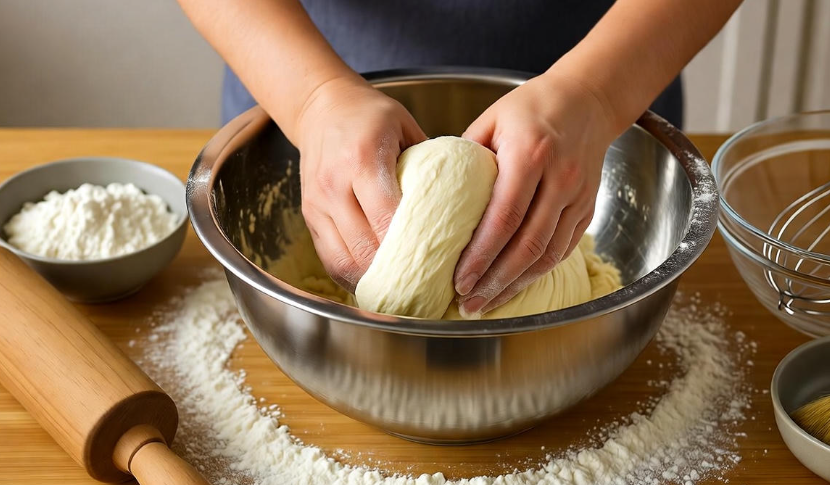
Start mixing slowly. If you have a stand mixer, use the dough hook; if not, your hands work just fine. Keep mixing until the dough starts coming together. It should be soft but not sticky. If it feels too sticky, add a little more flour (a tablespoon at a time).
3. Knead it well
Here’s where the magic happens. Kneading helps develop gluten, which makes your rolls airy instead of dense.
If using hands, sprinkle a bit of flour on your counter and knead the dough for about 8–10 minutes. You’ll notice it becoming smooth and stretchy. A good test is to poke it gently—if it bounces back, it’s ready.
4. Let it rise (first proofing)
Place the dough in a greased bowl, cover it with a clean kitchen towel, and let it rest for about 1 to 1.5 hours in a warm spot.
The dough will double in size—that’s always satisfying to see 😍
5. Shape the rolls
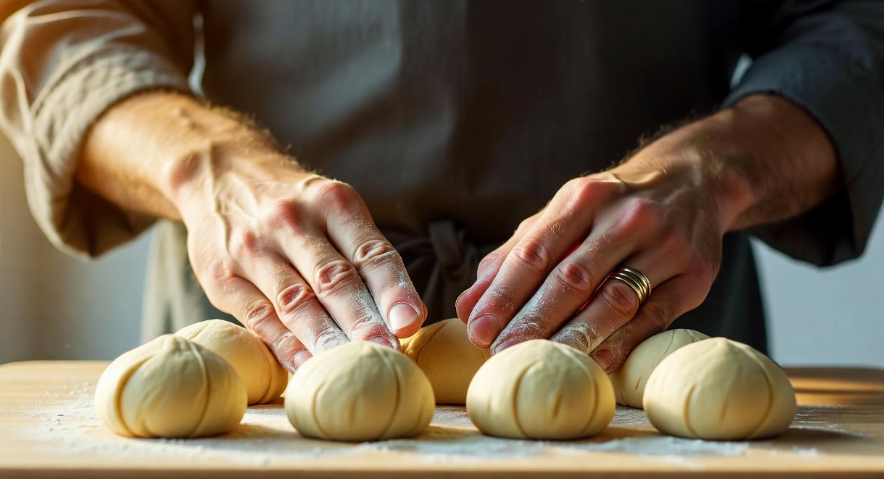
Once risen, gently punch down the dough to release extra air. Then divide it into 12 equal parts. You can use a kitchen scale if you want perfectly equal rolls, but it’s okay to eyeball it too.
Shape each portion into a smooth ball by tucking the edges underneath. Place them in a greased baking pan (9×13 inch works best), leaving some space between each roll—they’ll rise again.
6. Second rise (proofing again)
Cover the tray and let the rolls rise again for 30–40 minutes. This second rise makes them super fluffy. You’ll see them puff up beautifully and touch each other slightly.
7. Bake them golden
Preheat your oven to 350°F (175°C). Brush the tops with melted butter (this helps with color and softness).
Bake for about 18–22 minutes or until golden brown. Don’t overbake them, or they’ll dry out.
8. Final butter touch 🧈
As soon as you take the rolls out, brush them again with melted butter. This last step gives them a shiny finish and keeps the crust soft.
Let them cool a bit before serving (if you can resist 😋).
Quick Tips for Softer, Fluffier Rolls
Here are some little secrets bakers use that make a huge difference:
✅ Use whole milk – It’s richer and gives that pillowy texture.
✅ Don’t over-knead – Too much kneading can make rolls tough.
✅ Let the dough rise fully – Rushing this step makes flat rolls.
✅ Cover them while baking (optional) – If you notice they’re browning too fast, cover with foil halfway through baking.
✅ Add a spoon of milk powder – It enhances softness and flavor (optional but worth it).
Common Mistakes to Avoid ❌
Even pros make mistakes sometimes, but here’s how to dodge them:
| Mistake | What Happens | How to Fix |
|---|---|---|
| Using hot milk | Kills yeast | Use warm milk (not hot) |
| Skipping first rise | Rolls become dense | Always proof dough twice |
| Too much flour | Rolls turn dry | Add only enough to make dough non-sticky |
| Overbaking | Hard crust | Check early and bake till just golden |
How to Store Your Dinner Rolls
If you’ve made a big batch (and trust me, they’ll go fast!), here’s how to store them properly:
At room temperature: Store in an airtight container for up to 2 days.
In the fridge: Keeps fresh for 5–6 days. Reheat slightly in the microwave before serving.
In the freezer: Wrap tightly in foil and store up to 2 months. To serve, thaw and warm in the oven for 5 minutes.
They’ll taste almost as fresh as the day you made them 🥰
Variations You Can Try
Why stick to plain rolls when you can experiment a little?
✨ Garlic butter rolls: Mix minced garlic with melted butter and brush it on before baking.
🧀 Cheesy rolls: Add shredded cheddar or mozzarella inside before shaping.
🌿 Herb rolls: Sprinkle dried herbs (like rosemary or oregano) on top.
🍯 Honey butter rolls: Replace sugar with honey for a subtle sweetness and brush with honey butter glaze.
Each version adds its own charm and flavor twist.
Serving Ideas 🍽️
Soft dinner rolls go with almost everything. But here are some top pairings:
With soups and stews – Dip them in your bowl for that heavenly combo.
As mini sliders – Add grilled chicken or veggie patties.
Alongside holiday feasts – Perfect for Thanksgiving, Eid, or Christmas dinners.
With jam or honey – For a sweet breakfast treat.
They’re truly the all-rounder of breads!
Troubleshooting Guide (If Things Go Wrong)
| Problem | Possible Cause | Fix |
|---|---|---|
| Rolls didn’t rise | Yeast was old or milk too hot | Use fresh yeast & check milk temperature |
| Rolls too dry | Too much flour or overbaking | Add less flour & bake slightly less time |
| Rolls too heavy | Not enough kneading or proofing | Knead longer & allow more rise time |
| Crust too hard | No butter brushing | Brush with butter after baking |
Fun Fact 🧠
Did you know soft rolls were first made popular in the 19th century as a “luxury bread” for special dinners? Over time, they became a household staple because they paired perfectly with everything from roasts to soups.
Nutritional Information (Per Roll)
| Nutrient | Approx. Value |
|---|---|
| Calories | 150 kcal |
| Carbs | 22 g |
| Protein | 4 g |
| Fat | 5 g |
| Sugar | 3 g |
| Fiber | 1 g |
(Note: Values can vary based on exact ingredients used)
A Few Little Tricks for Extra Fluff
💡 Add a tablespoon of mashed potato or potato flakes to your dough. It keeps the rolls extra moist!
💡 Brush the rolls with milk before baking if you prefer a soft, pale top instead of golden brown.
💡 Add a bit of vinegar (½ tsp) in the dough — helps gluten structure and makes bread softer.
These tiny tweaks can make your rolls feel like they came straight from a bakery!
FAQs About Making Soft Dinner Rolls
Q1. Can I use instant yeast instead of active dry yeast?
Yes, absolutely! Just skip the activation step and mix it directly with dry ingredients. But make sure your milk isn’t too hot.
Q2. Can I make the dough ahead of time?
Yes! You can prepare the dough and refrigerate it overnight. Just let it come to room temperature before shaping and baking.
Q3. Why are my rolls dense instead of fluffy?
Usually, it’s because the dough didn’t rise enough or was overfloured. Give it enough proofing time and don’t add extra flour unless necessary.
Q4. How can I make them vegan?
Use plant-based milk (like soy or almond), skip the egg, and replace butter with vegan margarine or coconut oil.
Q5. Can I add whole wheat flour?
You can replace up to half the all-purpose flour with whole wheat. Just note, the texture will be a little denser but still soft.
🥚 Ever wondered what eggs actually do in cakes? Read The Role of Eggs in Baking Explained Simply for a fun food science lesson.
Final Thoughts ❤️
Making soft dinner rolls isn’t just about baking—it’s about slowing down, enjoying the process, and sharing something homemade with people you care about. There’s a certain joy in watching your dough rise, smelling the butter melt, and pulling apart that first warm roll fresh from the oven.
So next time you’re planning dinner, skip the store-bought ones and try this easy recipe. With a bit of practice (and love, of course), you’ll soon be making the softest, fluffiest dinner rolls that everyone will rave about.
And honestly, once you taste your own fresh-baked rolls, you’ll never go back to packaged bread again 😋🍞