


Ever taken a bite of a cake that’s just right — soft, airy, and melts in your mouth? Or maybe you’ve wondered why your muffins or bread sometimes turn out dense instead of light and fluffy. Well, baking isn’t just about following a recipe. It’s more like a mix of science, art, and a bit of intuition.
So, if you’ve ever asked yourself, “Why doesn’t my cake rise like the ones in the bakery?” — don’t worry, you’re not alone. Let’s uncover the five little secrets that can help you bake like a pro, even in your own kitchen.
1. The Magic of Proper Mixing 🌀
Most people think mixing is just about stirring ingredients together. But actually, how you mix can completely change the texture of your bake.
When you cream butter and sugar together, you’re not just blending — you’re trapping tiny air bubbles inside. These bubbles expand in the oven and give your cakes that soft, cloud-like texture. If you don’t cream properly or rush through it, your bake might end up flat or dense.
A good rule: Cream the butter and sugar for at least 3–5 minutes until it looks pale and fluffy. You’ll notice the texture change — it becomes lighter and smoother. That’s when you know it’s ready.
Now, when adding flour or other dry ingredients, mix gently. Overmixing at this stage can pop those precious air bubbles you worked so hard to create. A gentle fold with a spatula is better than going wild with a mixer.
Here’s a quick reference guide 👇
| Step | Mixing Method | Result |
|---|---|---|
| Creaming butter & sugar | Medium speed, 3–5 minutes | Traps air → fluffy texture |
| Adding eggs | One at a time | Smooth mixture, no curdling |
| Folding in flour | Gentle spatula folds | Keeps air bubbles intact |
Remember: Gentle hands make soft cakes.
2. The Secret Ingredient — Temperature 🌡️
One of the biggest mistakes in baking is using ingredients straight from the fridge. Cold butter, eggs, or milk can ruin the smooth texture of your batter.
When ingredients are at room temperature, they blend together much better. The fat in butter mixes evenly, eggs emulsify smoothly, and everything combines into a uniform batter.
Here’s what you should aim for before baking:
| Ingredient | Ideal Temperature | Why It Matters |
|---|---|---|
| Butter | Soft but not melted (about 20°C) | Creams better with sugar |
| Eggs | Room temperature (about 18–20°C) | Mix evenly with butter |
| Milk | Slightly warm | Prevents batter from curdling |
A small tip: if you forget to bring eggs to room temperature, place them in warm water for 5 minutes — it works like a charm!
Temperature also applies to your oven. Always preheat it before putting anything in. A cold oven can make your cake dense and heavy because the leavening agents (like baking powder) won’t activate properly.
3. Balance Moisture and Air 💧
Softness in baking comes from a delicate balance between moisture and air. Too much liquid can make your cake soggy, while too little makes it dry.
To keep your bakes moist yet airy:
-
Don’t overbake — check your cake 5–10 minutes before the recipe’s end time.
-
Add ingredients like yogurt, sour cream, or buttermilk for natural softness.
-
Brush a little sugar syrup on cakes after baking to keep them moist longer.
A little baker’s hack 💡 — when baking bread or rolls, place a small oven-safe bowl of water inside the oven. The steam helps your dough rise better and keeps the crust soft instead of hard.
You can even use this quick chart to balance your batter:
| Texture Goal | Add More Of | Avoid |
|---|---|---|
| Moist & soft | Yogurt, oil, buttermilk | Too much flour |
| Light & airy | Whipped egg whites, baking powder | Overmixing |
| Rich & smooth | Butter, sour cream | Excess baking soda |
When you understand how moisture works with air, you’ll start baking like someone who feels the recipe instead of just following it.
4. Let It Rest — The Secret Most People Skip 😴
Yes, even your batter needs a little “me-time.”
When you let your batter or dough rest before baking, something magical happens. The flour absorbs moisture evenly, gluten relaxes, and air bubbles stabilize.
For pancakes or cupcakes, even a 10–15 minute rest can make a visible difference — the texture turns softer and more uniform.
For bread or pizza dough, resting (or proofing) is even more important. It allows yeast to release gas, making the dough rise and become light.
Here’s a simple resting timeline you can follow:
| Bake Type | Rest Time | What Happens |
|---|---|---|
| Pancake batter | 10–15 minutes | Airy, fluffy pancakes |
| Cake batter | 5–10 minutes | Even crumb, fewer bubbles |
| Bread dough | 1–2 hours | Soft, light bread texture |
Just be careful not to rest cake batter too long (over 30 minutes), as it may lose its rise.
5. The Oven Knows Best — But Only If You Listen 🔥
Your oven can make or break your bake. Even the perfect batter can fail if baked at the wrong temperature.
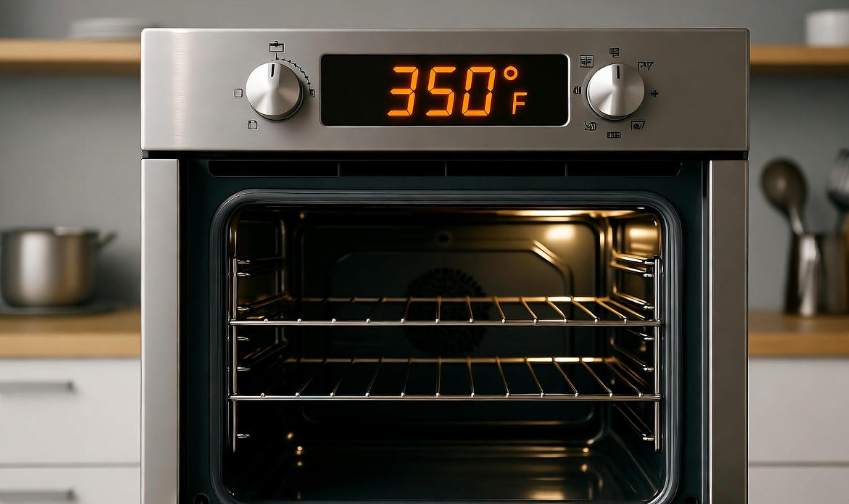
Most cakes bake well between 160°C–180°C (320°F–350°F). Too hot, and the outside cooks before the inside — leaving it dry or sunken in the middle. Too cool, and it won’t rise enough.
You can test your oven’s real temperature using a cheap oven thermometer — many home ovens run 10–20 degrees off!
Another secret: Don’t open the oven door too early. Every time you do, heat escapes, and your cake might collapse. It’s tempting, I know, but patience is your best baking tool.
When your bake is done, let it cool slowly. A sudden temperature change can make it shrink. Rest it in the pan for 10 minutes, then transfer it gently to a rack.
Here’s a quick baking temperature chart for guidance:
| Bake Type | Ideal Temperature | Bake Time |
|---|---|---|
| Cupcakes | 170°C (340°F) | 18–22 mins |
| Loaf cake | 160°C (320°F) | 45–55 mins |
| Bread | 180°C (350°F) | 25–35 mins |
Bonus Secret: Use Love as the Main Ingredient ❤️
Okay, it may sound a little cheesy — but it’s true. Baking isn’t just a recipe; it’s a feeling. When you’re relaxed, patient, and excited to create something delicious, it always shows in your results.
You’ll notice how even your family or friends will say, “It tastes different when you make it!” — and that’s because you’re putting a piece of yourself into it.
So, slow down, enjoy the smell, the texture, the warmth — and remember that each bake is a little story told with flour and butter.
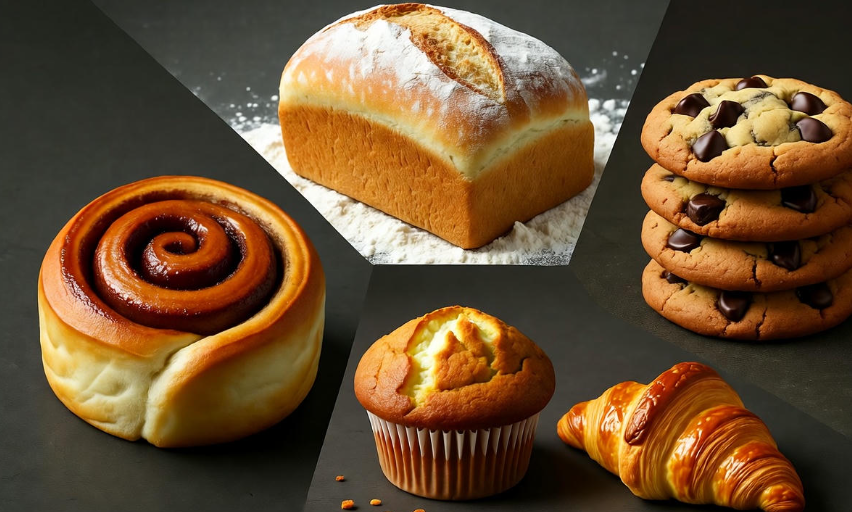
Common Baking Mistakes to Avoid ⚠️
| Mistake | Result | Quick Fix |
|---|---|---|
| Cold ingredients | Dense or uneven texture | Use room temperature items |
| Overmixing | Tough, chewy texture | Mix only until combined |
| Skipping preheat | Flat cakes | Always preheat oven |
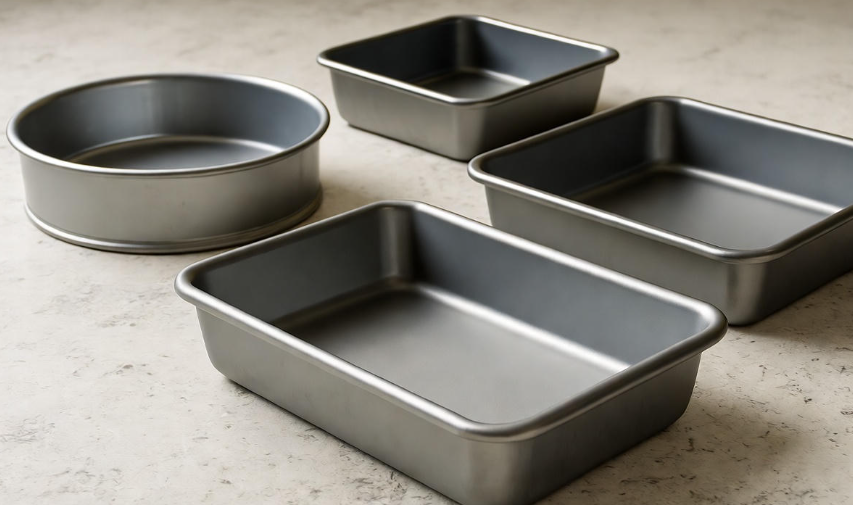
| Wrong pan size | Overcooked or raw center | Stick to recipe size |
| Not measuring properly | Texture failure | Use weighing scale or cups correctly |
FAQs 🧁
Q1: Why do my cakes come out dry even when I follow the recipe?
A: Dryness usually means overbaking or not enough moisture. Try reducing baking time by 5 minutes next time, or add a tablespoon of yogurt or milk to your batter.
Q2: Can I use oil instead of butter for softer cakes?
A: Yes! Oil adds extra moisture and can make your cake softer, though butter gives better flavor. A mix of both often gives the best results.
Q3: How do I make my bread fluffier?
A: Use warm (not hot) water, knead well, and let it rise properly before baking. Adding a teaspoon of sugar helps the yeast activate faster.
Q4: What’s the difference between baking powder and baking soda?
A: Baking powder has both acid and base; it works alone. Baking soda needs an acid (like lemon juice or buttermilk) to activate. Too much soda can leave a bitter taste.
Q5: How can I keep baked goods fresh longer?
A: Wrap them in plastic wrap once cooled and store them in an airtight container. You can also brush cakes with a bit of sugar syrup to lock in moisture.
Final Thoughts 🌷
Baking fluffy and soft treats isn’t a mystery — it’s about a few thoughtful habits. Mix right, use room temperature ingredients, balance moisture, let things rest, and respect your oven. Once you understand these small details, your kitchen will smell like a cozy bakery every time.
And remember — the best bakes come not from perfect recipes, but from practice, patience, and love. ❤️






Just checking out 80 jili.com. Hoping for some good luck! Visit 80 jili.com to see what happens.