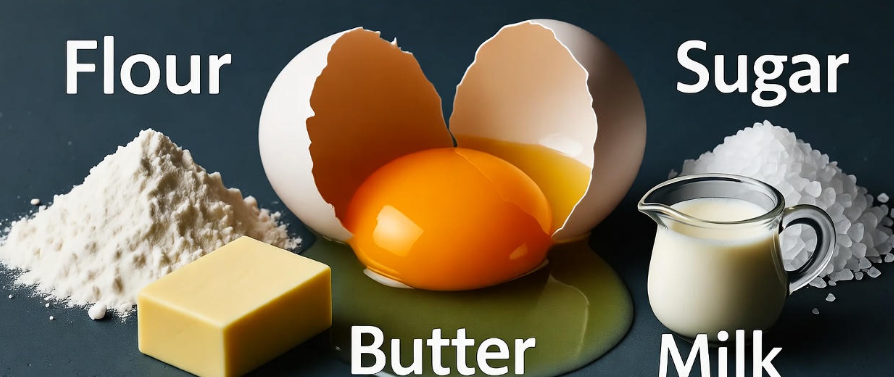

If you’ve ever baked a cake and wondered, “What exactly do eggs do in this recipe?” — you’re not alone. 🥚 Eggs are one of those quiet heroes in the kitchen. You crack them, whisk them in, and never think much about it again. But believe it or not, those little shells hold the magic that makes your baked treats rise, shine, and taste heavenly.
Let’s talk about it in the simplest way possible — no chemistry class needed, just good old baking sense.
Why Eggs Are So Important in Baking
Eggs aren’t just thrown into recipes for fun. They have specific jobs — multiple, actually. Think of them like multitaskers in your kitchen. When you add eggs to your cake, bread, or cookies, they’re doing more than just blending in.
Here’s what they bring to the table:
| Function | What It Does | Example |
|---|---|---|
| Structure | Helps hold the baked goods together | Cakes, muffins |
| Moisture | Keeps things soft and not dry | Brownies, cookies |
| Leavening | Helps your batter rise | Sponge cakes |
| Flavor | Adds richness and taste | Custards, pastries |
| Color | Gives golden color when baked | Bread crusts |
| Binding | Keeps ingredients from falling apart | Meatloaf, pancakes |
So yeah, eggs are not just there to “fill space.” They’re the secret weapon behind most baked goodies.
The Structure Secret 🧱
When you bake something, you want it to hold its shape — not fall apart when you slice it. That’s where eggs come in. The proteins in eggs (especially in the whites) help create structure.
When you bake, those proteins set and form a web that traps air and holds everything together. It’s kind of like a support system that keeps your cake upright and fluffy instead of flat and sad.
Imagine baking without eggs — your cake might turn out crumbly, dry, or even collapse like a deflated balloon 🎈.
How Eggs Add Moisture
Ever noticed how a cake with eggs is soft and spongy? That’s no accident. The fat in the yolk adds richness, while the liquid part of the egg adds — you guessed it — moisture.
This moisture turns into steam during baking, keeping your cake from drying out. Without eggs, many recipes end up too dense or too crumbly.
That’s why even eggless recipes often use substitutes like yogurt, mashed bananas, or applesauce — they’re trying to mimic that same moisture balance.
The Leavening Magic 🎂
Okay, here’s where things get a little fun. When you beat eggs, you’re adding air. Those tiny bubbles get trapped inside the batter. Then, when the mixture heats up in the oven, that air expands — and poof! your cake rises beautifully.
It’s like nature’s way of giving your cake a gentle lift.
This is especially true in sponge cakes, meringues, and soufflés where beaten egg whites are the star. In those recipes, you’re literally whipping air into your dessert. The fluffier the eggs, the lighter the result.
The Richness and Flavor Factor 😋
Let’s not forget — eggs taste good. They bring a certain creamy richness that makes baked goods more flavorful.
The yolk, in particular, adds a buttery taste and a beautiful golden color. Ever noticed how cookies with eggs are more satisfying, while egg-free versions feel… a little flat? That’s because eggs bring that deep, comforting taste we subconsciously love.
How Eggs Affect Color
That golden-brown color on top of your bread or pastry? Yup, that’s from eggs.
When you brush an egg wash (a mix of egg and water or milk) on top before baking, it creates that lovely shiny, golden finish that screams “I’m fresh out of the oven!” 😍
Without it, your pastries might look pale and lifeless — still tasty, sure, but missing that bakery-style glow.
Eggs as a Binder
Eggs are natural glue in recipes. When you mix ingredients like flour, sugar, and butter, eggs help them stick together.
This binding effect is what keeps your brownies chewy, your muffins stable, and your cookies from falling apart. It’s also why even non-sweet recipes like meatloaf or cutlets often include an egg — it holds everything in place.
Different Parts, Different Roles
Not all parts of the egg do the same job. Let’s break it down a little.
| Egg Part | Role in Baking | Fun Fact |
|---|---|---|
| Egg White | Adds structure and volume | Can be whipped into stiff peaks |
| Egg Yolk | Adds richness, color, and fat | Gives custards their creamy texture |
| Whole Egg | A balance of both | Most recipes call for this combination |
Each part brings its own character to the recipe. So next time a recipe says “use only yolks” or “whites only,” know that it’s not random — it’s science and flavor working together.
What Happens If You Skip Eggs?
This is a big question — especially for people who avoid eggs.
If you remove eggs from a recipe and don’t replace them properly, your cake might:
-
Turn out flat
-
Crumble easily
-
Lose moisture
-
Taste less rich
But don’t worry — there are clever ways around it. You can use substitutes like:
| Substitute | Best For | Measurement (per egg) |
|---|---|---|
| Unsweetened Applesauce | Cakes, muffins | ¼ cup |
| Mashed Banana | Pancakes, brownies | ¼ cup |
| Yogurt | Quick breads | ¼ cup |
| Vinegar + Baking Soda | Light cakes | 1 tbsp vinegar + 1 tsp baking soda |
| Flaxseed + Water | Cookies, dense cakes | 1 tbsp flaxseed + 3 tbsp water |
These options won’t be exactly like eggs, but they can get pretty close.
How Many Eggs Are Too Many?
Adding more eggs doesn’t always mean better. Too many eggs can make a cake rubbery or taste eggy.
Most recipes use a carefully tested ratio of eggs to flour and fat. So, always stick close to what’s written — unless you love experimenting (and don’t mind a few kitchen disasters 😉).
Why Temperature Matters
A quick tip: Always use room-temperature eggs when baking.
Cold eggs can cause the batter to curdle, making it hard to mix evenly. Plus, room-temp eggs trap air better when whisked, leading to fluffier results.
So, take them out of the fridge 20–30 minutes before you start baking. Your cakes will thank you later!
Fun Fact Corner 🥚✨
Here are a few fun tidbits you might not know about eggs in baking:
-
The older the egg, the easier it is to separate the white from the yolk.
-
The protein network in eggs actually tightens when heated — that’s what gives structure.
-
A single egg can hold up to four times its own weight in sugar or flour when beaten.
-
Egg yolks contain a natural emulsifier called lecithin, which helps blend fat and water — that’s why batter doesn’t separate.
The Role of Eggs in Baking Explained Simply 🍰
A Quick Look: What Happens Inside the Oven
When your batter goes into the oven, eggs are doing a lot of behind-the-scenes work:
| Stage | What Happens | Result |
|---|---|---|
| Before Baking | Eggs mix air and bind ingredients | Smooth batter |
| During Heating | Proteins set and moisture steams | Structure forms |
| Near the End | Yolks brown, flavor deepens | Golden crust |
| After Cooling | Structure stabilizes | Perfect texture |
So, the egg’s role doesn’t stop when you crack it — it continues all the way until the first bite.
Simple Tip: How to Tell If You’ve Added Enough Eggs
A quick rule of thumb: If your batter feels too thick or dry, you might need another egg.
But don’t overdo it. Adding too many can make things dense or overly moist. The best way? Follow the recipe the first time — and then adjust slightly next time based on texture and taste. That’s how great bakers learn. 👩🍳
Common Mistakes People Make with Eggs
Let’s be honest, we’ve all messed up with eggs at some point. Here are the most common slip-ups (and how to fix them):
| Mistake | What Goes Wrong | Fix |
|---|---|---|
| Adding cold eggs | Batter curdles | Use room temperature eggs |
| Overbeating eggs | Cake becomes dense | Beat until just mixed |
| Undermixing | Uneven texture | Mix gently but fully |
| Not separating whites/yolks properly | No proper rise | Use clean, dry tools |
| Using bad eggs | Bad smell/taste | Do a float test (fresh eggs sink) |
Little details like these can make or break your recipe.
So, In Simple Words…
Eggs are like the invisible architects of baking. They hold things up, make them soft, bring color, and lift everything just right. Without eggs, your baking would lose its magic — literally.
Next time you bake, take a moment to appreciate those humble eggs sitting on your counter. They’re doing a lot more than you think. 💛
FAQs About Eggs in Baking
1. Can I replace eggs in every recipe?
Not always. You can replace them in most simple cakes or cookies, but recipes like meringues or soufflés rely completely on eggs for structure and lift.
2. Why does my cake smell eggy?
Usually, that means too many eggs or underbaking. Try reducing the number slightly next time or add a dash of vanilla to balance the aroma.
3. How can I make my cake fluffier with eggs?
Separate the whites, beat them until foamy, then fold them in gently. This adds air and makes the cake light and airy.
4. Is it okay to use old eggs for baking?
Slightly older eggs are fine for baking, but avoid those past their expiry or with bad smell. Fresh eggs are best for recipes where texture matters.
5. What’s the best way to test egg freshness?
Put the egg in a bowl of water. Fresh eggs sink. If it floats — it’s too old. Simple!
Final Thoughts 💭
Eggs might look simple, but they’re one of the most powerful ingredients in baking. From flavor and color to structure and lift — they truly do it all.
So the next time you’re cracking an egg into your cake batter, remember — that tiny act is the start of something delicious. 🧁