
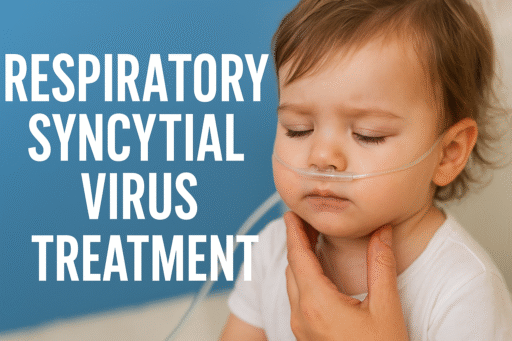

RSV Treatment: Understanding Supportive Care, Medical Management, and What to Expect
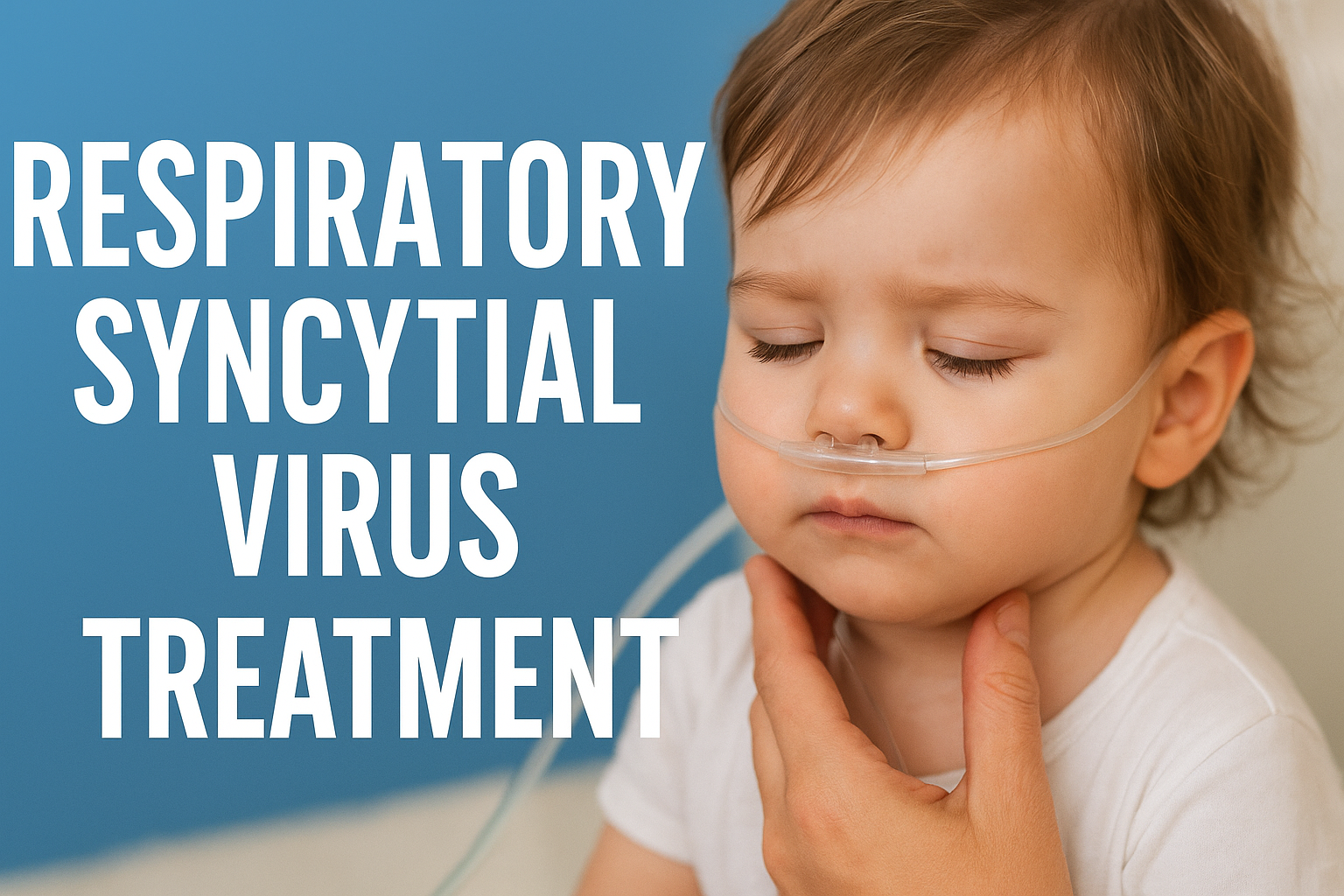
Respiratory Syncytial Virus (RSV) is a common respiratory virus that affects people of all ages, but it is especially significant in infants, young children, older adults, and individuals with weakened immune systems. While RSV is widely known, questions about RSV treatment are common, particularly among parents and caregivers seeking reliable, clear information.
This article provides a comprehensive educational overview of RSV treatment options, including supportive care, medical management approaches, and what typically happens during recovery. The information shared here is for general knowledge only and should not be considered medical advice or a replacement for professional healthcare consultation.
What Is RSV and Why Treatment Matters
RSV primarily affects the respiratory tract and is one of the most frequent causes of respiratory illness in infants and young children. In many cases, RSV causes mild, cold-like symptoms. However, some individuals may experience more significant respiratory symptoms that require closer medical attention.
RSV treatment focuses on managing symptoms and supporting the body while the immune system clears the virus. Currently, there is no universal cure that directly eliminates RSV, which is why supportive care plays a central role.
Is There a Specific Cure for RSV?
At present, there is no specific antiviral cure routinely used for RSV in otherwise healthy individuals. RSV treatment typically does not involve antibiotics because RSV is a viral infection, not a bacterial one.
Instead, healthcare providers emphasize:
-
Symptom relief
-
Breathing support when needed
-
Hydration and comfort
-
Careful monitoring
The approach to RSV treatment depends on factors such as age, overall health, and severity of symptoms.
Supportive Care as the Foundation of RSV Treatment
Supportive care is the most common form of RSV treatment and aims to help individuals remain comfortable while their bodies recover.
1. Hydration Support
Maintaining adequate fluid intake is essential during RSV infection. Hydration supports overall body function and helps thin respiratory secretions, making breathing more comfortable.
2. Rest and Comfort
Rest allows the body to focus energy on recovery. Calm, comfortable environments may help reduce breathing effort, especially in infants.
3. Monitoring Symptoms
Caregivers are often advised to observe breathing patterns, feeding habits, and overall responsiveness. Early recognition of worsening symptoms allows for timely medical evaluation.
RSV Treatment in Infants and Young Children
RSV treatment in infants focuses primarily on observation and supportive measures. Infants may be more sensitive to breathing changes due to smaller airways.
Common Supportive Measures Include:
-
Keeping nasal passages clear
-
Ensuring regular feeding or fluid intake
-
Monitoring breathing rate and effort
-
Providing a calm environment
Healthcare professionals may offer specific guidance based on the infant’s condition and risk factors.
Hospital-Based RSV Treatment
In some cases, individuals with RSV may require hospital-based care. This does not mean the illness is uncommon, but rather that additional support is needed during recovery.
Hospital care may involve:
-
Oxygen support to assist breathing
-
Monitoring vital signs
-
Fluid support if feeding is difficult
-
Close observation by medical staff
Hospital treatment focuses on supporting respiratory function until symptoms improve.
RSV Treatment in Older Adults and High-Risk Individuals
Older adults and individuals with chronic health conditions may experience RSV differently. RSV treatment in these populations also emphasizes supportive care and monitoring.
Healthcare providers may assess:
-
Respiratory function
-
Oxygen levels
-
Underlying health conditions
Early evaluation helps determine the appropriate level of care.
Medications and RSV Treatment
For most people, RSV treatment does not include specific medications to eliminate the virus. However, healthcare providers may recommend medications to help manage symptoms in certain situations.
Examples may include:
-
Fever-reducing medications (as advised by a professional)
-
Treatments addressing underlying conditions
-
Supportive respiratory therapies
Medication use depends on individual health needs and professional guidance.
What to Expect During RSV Recovery
RSV recovery timelines vary, but many people begin to improve within one to two weeks. During recovery, symptoms often lessen gradually.
Common signs of improvement include:
-
Reduced coughing
-
Easier breathing
-
Improved appetite
-
Increased activity levels
Some mild symptoms may persist for a short time as the respiratory system fully recovers.
Preventive Measures and RSV Management
While prevention is not treatment, preventive measures can reduce exposure and limit spread.
These include:
-
Frequent handwashing
-
Avoiding close contact with sick individuals
-
Cleaning commonly touched surfaces
-
Practicing good respiratory hygiene
Preventive habits are especially important for households with infants or older adults.
RSV Treatment and Follow-Up Care
Follow-up care may be recommended for individuals who experienced more noticeable symptoms. Healthcare providers may advise ongoing monitoring to ensure full recovery.
Caregivers are encouraged to:
-
Follow medical guidance
-
Attend scheduled follow-ups
-
Monitor respiratory health
Open communication with healthcare professionals supports effective RSV management.
Emotional Support for Families and Caregivers
Caring for someone with RSV can be stressful, particularly when symptoms affect breathing. Understanding RSV treatment options and knowing what to expect can help reduce anxiety.
Families are encouraged to:
-
Ask questions
-
Seek professional reassurance
-
Access reliable health information
Education plays a vital role in confidence and preparedness.
Final Thoughts
RSV treatment focuses on supportive care, symptom management, and careful observation. While RSV does not currently have a universal cure, most individuals recover fully with appropriate care and monitoring.
Understanding RSV treatment helps caregivers and individuals make informed decisions, recognize when medical evaluation may be helpful, and support recovery in a safe and effective way.







“Great post — I learned new information and will share it.”