

Early Signs, Warning Symptoms, and What Parents Should Know
Respiratory Syncytial Virus, commonly known as RSV, is one of the most common respiratory infections affecting infants and young children worldwide. While RSV often causes mild cold-like symptoms in older children and adults, it can be more serious in infants, especially those under one year of age. Understanding RSV symptoms in infants is critical for early recognition, appropriate care, and timely medical attention.
This article provides a detailed, educational overview of RSV symptoms in infants, how symptoms may progress, risk factors, and when caregivers should seek professional medical help.
What Is RSV and Why It Matters in Infants
RSV is a highly contagious respiratory virus that infects the lungs and breathing passages. Most children encounter RSV by the age of two, but infants are particularly vulnerable due to their developing immune systems and smaller airways.
RSV infections tend to occur seasonally, often during colder months, and spread easily through:
-
Coughing and sneezing
-
Close contact with infected individuals
-
Touching contaminated surfaces
In infants, RSV can sometimes lead to complications such as bronchiolitis or pneumonia, which is why symptom awareness is so important. You can also check Respiratory Syncytial Virus (RSV): Causes, Symptoms, Risk Factors, and Prevention Explained
Early RSV Symptoms in Infants
In many cases, RSV begins with mild symptoms that may resemble a common cold. Early signs in infants can include:
1. Runny Nose
A clear or slightly thick nasal discharge is often one of the first symptoms. In young infants, even mild congestion can interfere with feeding and sleeping.
2. Mild Cough
A soft or occasional cough may appear early. This can gradually become more noticeable over several days.
3. Sneezing
Frequent sneezing is common as the virus irritates the nasal passages.
4. Low-Grade Fever
Some infants may develop a mild fever, while others may not have a fever at all.
5. Decreased Appetite
Infants with RSV may feed less due to nasal congestion or fatigue.
At this stage, symptoms are often manageable at home under guidance from a healthcare provider.
Progressive RSV Symptoms in Infants
As RSV infection progresses, symptoms may become more pronounced, especially in younger infants.
1. Persistent Coughing
The cough may become more frequent and severe, sometimes disrupting sleep.
2. Wheezing
Wheezing is a high-pitched sound that occurs during breathing and indicates airway inflammation.
3. Rapid or Labored Breathing
Infants may breathe faster than usual or show visible effort when breathing.
Signs of breathing difficulty may include:
-
Flaring nostrils
-
Chest retractions (skin pulling in between ribs)
-
Belly breathing
4. Irritability or Lethargy
An infant may appear unusually fussy or unusually sleepy and less responsive.
Severe RSV Symptoms in Infants
In some cases, RSV can become serious and require immediate medical attention.
1. Difficulty Breathing
Breathing may appear shallow, rapid, or strained. Any signs of struggling to breathe should be evaluated promptly.
2. Pauses in Breathing (Apnea)
Some young infants may experience brief pauses in breathing, especially during sleep.
3. Bluish Color of Lips or Fingertips
A bluish tint can indicate insufficient oxygen levels and requires urgent medical care.
4. Poor Feeding or Dehydration
Signs of dehydration may include:
-
Fewer wet diapers
-
Dry mouth
-
No tears when crying
RSV Symptoms in Newborns
Newborns may show different symptoms compared to older infants. In very young babies, RSV symptoms may include:
-
Reduced activity
-
Poor feeding
-
Apnea without obvious cold symptoms
Because symptoms can be subtle, newborns with RSV should be monitored closely by healthcare professionals.
Risk Factors for Severe RSV in Infants
Certain infants are at higher risk of developing severe RSV symptoms, including:
-
Premature infants
-
Infants under six months of age
-
Babies with chronic lung conditions
-
Infants with congenital heart conditions
-
Infants with weakened immune systems
These infants may require closer observation or medical care if infected.
How RSV Is Diagnosed
RSV is typically diagnosed based on symptoms and physical examination. In some cases, healthcare providers may use:
-
Nasal swab tests
-
Oxygen level monitoring
-
Imaging studies if complications are suspected
Diagnosis helps guide appropriate care and monitoring.
General Care and Monitoring at Home
For mild RSV symptoms, healthcare providers may recommend supportive care such as:
-
Keeping the infant well-hydrated
-
Ensuring adequate rest
-
Using a cool-mist humidifier
-
Keeping nasal passages clear
Parents should always follow professional guidance and avoid giving infants medications without approval.
When to Seek Medical Attention
Caregivers should seek immediate medical attention if an infant shows:
-
Difficulty breathing
-
Blue or gray skin coloration
-
High fever in very young infants
-
Signs of dehydration
-
Extreme fatigue or unresponsiveness
Prompt evaluation can help prevent complications.
RSV Prevention Tips
While RSV cannot always be prevented, steps that may reduce risk include:
-
Frequent handwashing
-
Avoiding close contact with sick individuals
-
Cleaning frequently touched surfaces
-
Limiting exposure during RSV season
Healthcare providers may offer preventive options for high-risk infants.
Final Thoughts
RSV is a common viral infection, but in infants, it deserves careful attention. Understanding early, progressive, and severe RSV symptoms allows caregivers to respond appropriately and seek timely medical care when needed.
Most infants recover with supportive care, but recognizing warning signs can make a critical difference. Education, observation, and professional guidance are key components of protecting infant health during RSV season.
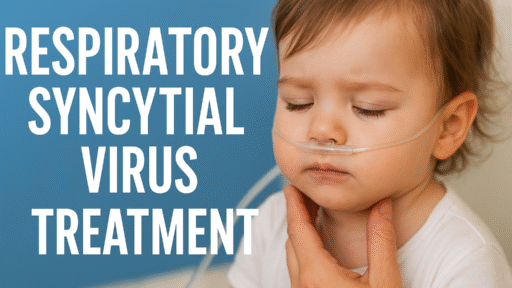








“RSV is a common respiratory virus in infants that often starts with cold-like symptoms but can become serious. Early recognition of warning signs and timely medical care are essential to protect a baby’s health.”
Weight Control Supplements: What They Are, How They Work, and What to Know Before Using Them
Respiratory Syncytial Virus, commonly known as RSV, is one of the most common respiratory infections affecting infants and young children worldwide.