
Respiratory Syncytial Virus (RSV): Causes, Symptoms, Risk Factors, and Prevention Explained
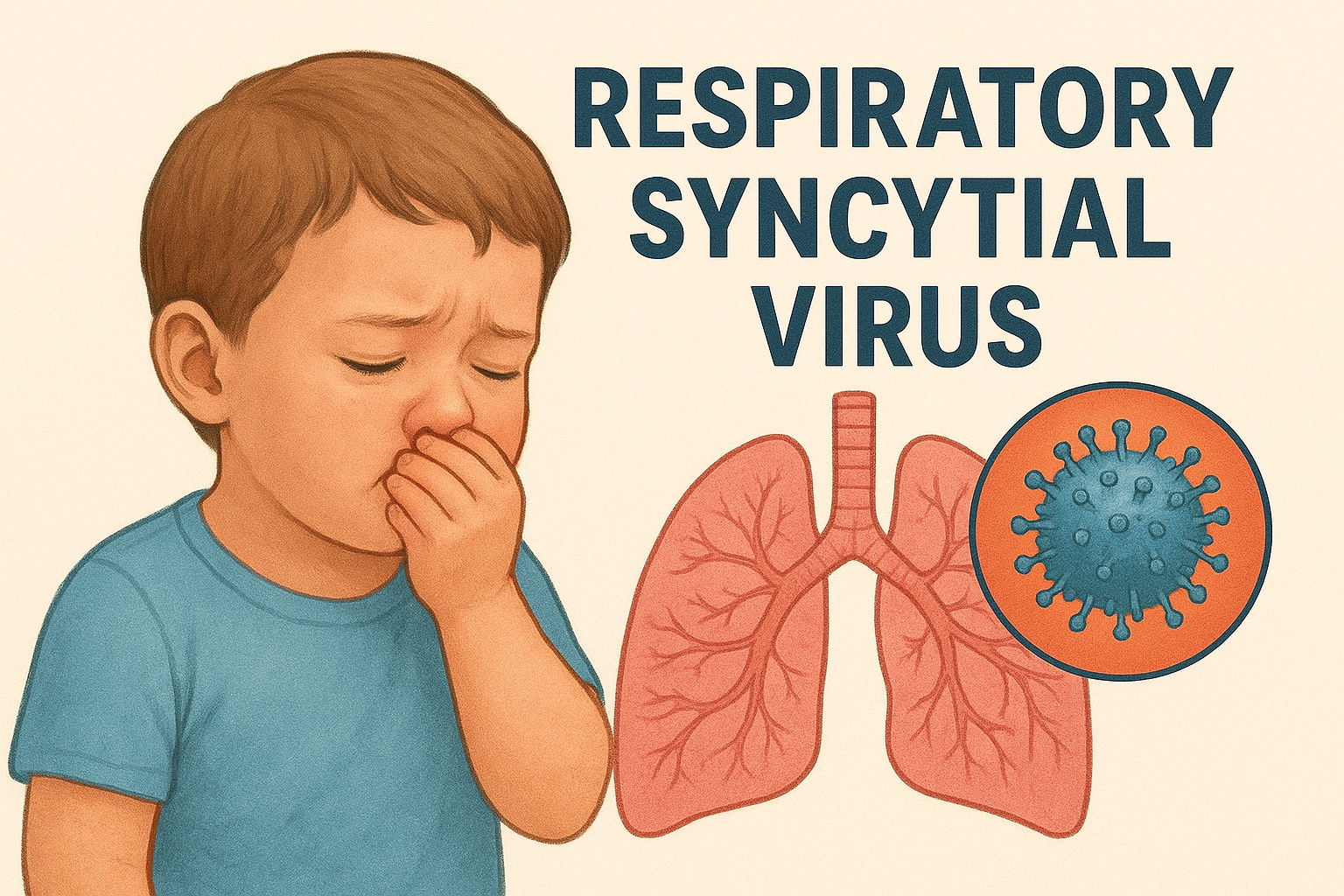
Respiratory Syncytial Virus, commonly known as RSV, is a widespread respiratory virus that affects people of all ages. While RSV often causes mild, cold-like symptoms in healthy adults, it can lead to more serious respiratory illness in infants, young children, older adults, and individuals with weakened immune systems. Due to its seasonal patterns and impact on public health, RSV remains a significant topic in healthcare awareness and education.
This article provides a comprehensive, easy-to-understand overview of RSV, including how it spreads, common symptoms, who is most at risk, and general prevention strategies. The content is intended for educational purposes only and does not replace professional medical advice.
What Is Respiratory Syncytial Virus (RSV)?
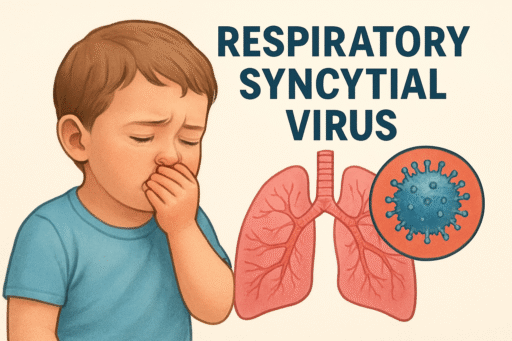
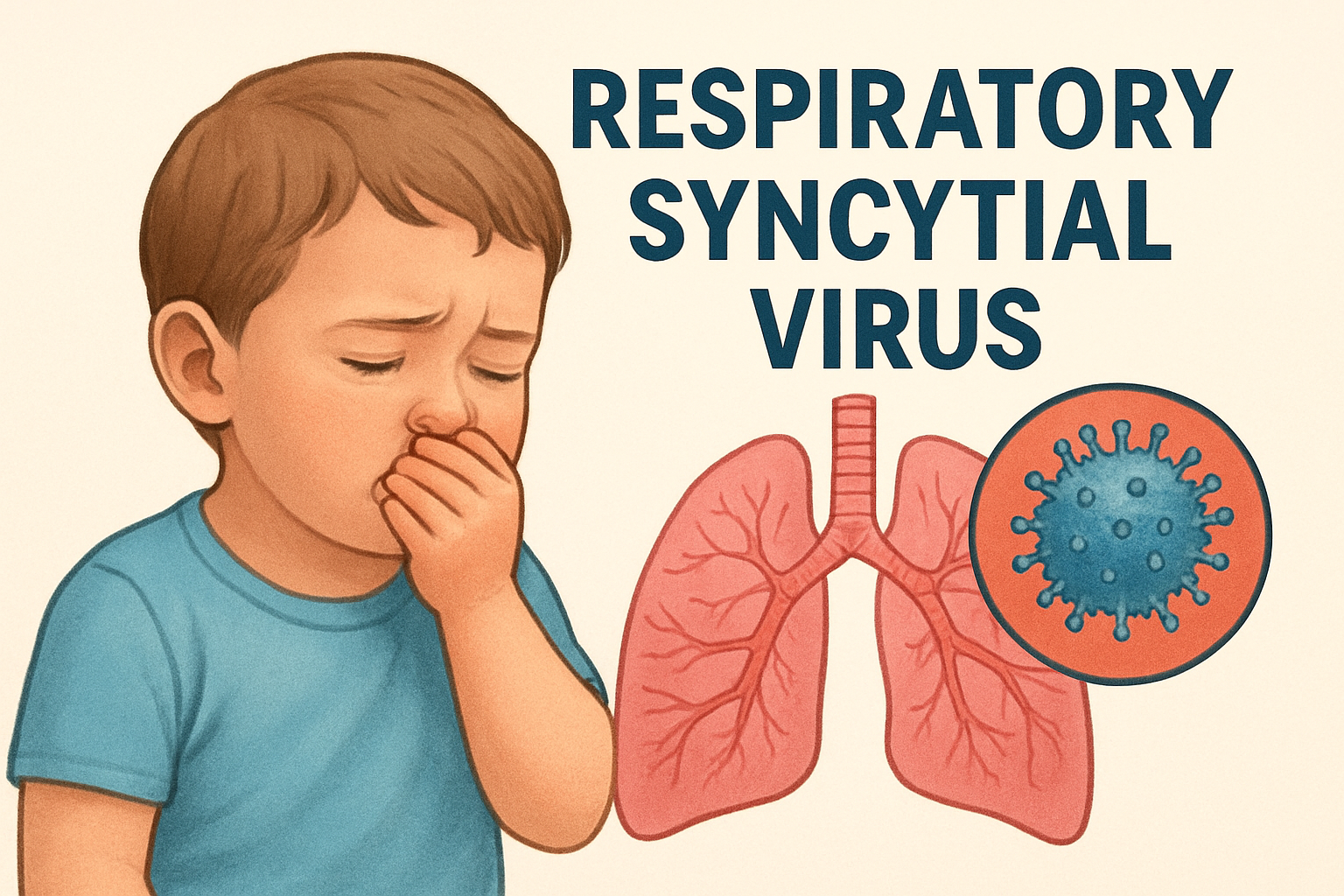
Respiratory Syncytial Virus is a contagious virus that infects the respiratory tract, including the nose, throat, and lungs. RSV is one of the most common causes of respiratory infections in infants and young children worldwide, but adults can also become infected.
Most RSV infections are mild and resolve on their own. However, in some cases, RSV can lead to more serious respiratory conditions, particularly in vulnerable populations.
How RSV Spreads
RSV spreads easily through close contact and shared environments. Common ways the virus spreads include:
-
Direct contact with respiratory droplets from coughing or sneezing
-
Touching contaminated surfaces and then touching the face
-
Close personal contact, such as kissing or holding hands
RSV can survive on hard surfaces for several hours, making it easy to transmit in homes, schools, childcare centers, and healthcare facilities.
Seasonal Patterns of RSV
RSV infections typically follow seasonal trends. In many regions, RSV activity increases during cooler months and declines during warmer seasons. Seasonal outbreaks contribute to higher hospital visits, especially among infants and young children.
Understanding these seasonal patterns helps healthcare systems prepare and helps families take preventive measures during high-risk periods.
Common Symptoms of RSV
RSV symptoms vary depending on age, health status, and immune response. Symptoms often appear within several days of exposure.
Typical Symptoms
-
Runny nose
-
Nasal congestion
-
Coughing
-
Sneezing
-
Mild fever
-
Decreased appetite
In many cases, these symptoms resemble those of a common cold.
More Severe Symptoms
In certain individuals, RSV may lead to more serious respiratory symptoms, such as:
-
Wheezing
-
Difficulty breathing
-
Rapid breathing
-
Chest retractions
-
Fatigue
Severe symptoms are more common in infants, older adults, and people with underlying health conditions.
Who Is Most at Risk for Severe RSV Infection?
While RSV can affect anyone, some groups are more vulnerable to complications.
Infants and Young Children
RSV is one of the leading causes of lower respiratory infections in infants. Premature babies and infants under six months are at higher risk.
Older Adults
Adults aged 65 and older may experience more severe RSV infections, especially if they have existing respiratory or heart conditions.
People with Chronic Health Conditions
Individuals with lung disease, heart disease, or compromised immune systems may face increased risk.
Individuals in Group Settings
People in childcare centers, nursing homes, or shared living environments are more likely to be exposed.
RSV in Infants and Children
In young children, RSV is a common cause of bronchiolitis and pneumonia. Symptoms in infants may include:
-
Irritability
-
Reduced feeding
-
Lethargy
-
Breathing difficulties
Parents and caregivers are often advised to monitor symptoms closely during RSV season.
RSV in Adults
In healthy adults, RSV often causes mild respiratory symptoms similar to a cold. However, older adults or those with chronic conditions may experience more significant respiratory complications.
Adults may underestimate RSV because symptoms can appear mild at first, making awareness especially important for high-risk populations.
How RSV Is Diagnosed
RSV diagnosis is typically made by healthcare professionals using:
-
Clinical evaluation
-
Symptom assessment
-
Laboratory testing when necessary
Testing decisions depend on symptoms, age, and risk factors.
General Management and Supportive Care
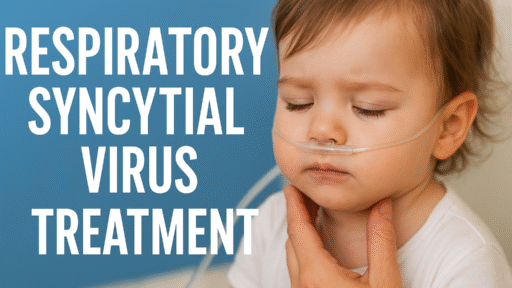
There is no single universal treatment for RSV. Management typically focuses on supportive care and symptom relief under medical guidance. Hospital care may be required in severe cases, particularly for infants or older adults.
It is important to consult qualified healthcare professionals for personalized evaluation and care decisions.
Prevention Strategies for RSV
While RSV cannot always be avoided, general prevention measures can reduce the risk of transmission:
Good Hygiene Practices
-
Frequent handwashing
-
Cleaning commonly touched surfaces
-
Avoiding close contact with sick individuals
Protecting Vulnerable Individuals
-
Limiting exposure during peak RSV season
-
Maintaining clean indoor environments
Public Health Awareness
Increased awareness helps families and caregivers recognize symptoms early and seek appropriate care when necessary.
RSV and Public Health Impact
RSV contributes significantly to seasonal respiratory illness burden worldwide. It places strain on healthcare systems during peak seasons, especially pediatric and geriatric care services.
Public health education plays an important role in reducing transmission and ensuring timely medical attention for high-risk individuals.
RSV Compared to Other Respiratory Viruses
RSV shares symptoms with other respiratory viruses, including influenza and the common cold. However, RSV is particularly notable for its impact on infants and older adults.
Understanding differences between respiratory viruses helps improve awareness and response during seasonal outbreaks.
Long-Term Outlook
Most individuals recover fully from RSV infections. However, severe cases may require medical intervention. Ongoing research continues to explore improved prevention strategies and public health responses.
Staying informed and practicing preventive measures remain key components of reducing RSV-related complications.
Conclusion
Respiratory Syncytial Virus is a common yet significant respiratory infection that affects millions of people worldwide each year. While often mild, RSV can lead to serious illness in infants, older adults, and individuals with certain health conditions.
Awareness, preventive hygiene practices, and timely medical consultation play an important role in managing RSV’s impact. Education and public health efforts continue to be essential in reducing transmission and protecting vulnerable populations.