


You remove your cake from the oven, let it cool and take that first taste — only to find it as dry as sawdust. Your heart sinks. All that time, all those ingredients and now you have to serve a cake that’s crumbly rather than moist. But the good news: A dry cake is not without hope. Whether you overbaked by a couple of minutes, failed to measure your flour properly or were plagued with an oven temperature problem, there are plenty of tried-and-true methods for salvaging your dry cake and turning it into something tasty.
This guide will take you step-by-step through proven, real-world methods. Here are 4 ways to salvage a dry cake. Without further ado, let’s find out the simple syrup solution or creative frosting trick you need to know that can save your cake project. Let’s spin that baking disappointment into a triumph.
Why Cakes Dry Out in the First Place
Before we get into the business of fixing your dry cake, it’s useful to understand why this happened. And if you know why, well then you won’t encounter the problem next time, and can choose the best rescue method for your needs.
It’s Always Overbaking’s Fault
The simplest reason cakes dry out is that you leave them in the oven too long. Just a few minutes (like five) extra can suck the life of your cake. Oven temperatures differ, and what takes 30 minutes in one oven might take only 25 in another. Bake according to a recipe without the progress check for doneness, you risk overbaking.
Too Much Flour Ruins Everything
When you reach into the bag with your measuring cup and scoop flour, you’re packing in way more of it than is called for. This results in a dry, hard cake that no amount of baking can solve. To measure flour correctly, you should spoon it into the measuring cup and level it off with a knife. That one simple switch can eliminate all dry cakes.
Not Enough Fat or Liquid
They’re made moist by things like butter, oil, eggs, and liquids such as milk or water. Too few of these ingredients — or, if you accidentally use less than your recipe calls for — and your cake will be dry. Fat also helps make a tender crumb, so cutting back on butter or oil can impact both moisture and texture.
Opening the Oven Door Too Frequently
Each time you crack your oven door to peek at your cake, you release heat. That can result in temperature swings that will promote uneven baking and moisture loss. It’s difficult not to want to have a peek at your cake — but don’t until you’re about three-fourths the way through baking.
Fast Working Remedies
If your cake has recently emerged from the oven, and you can touch it and know it’s dry, act quickly. Both of these quick fixes will work best if you apply them while your cake is still warm and fresh from the oven; a warmed-up cake allows moisture to be absorbed more readily.
The Simple Syrup Method
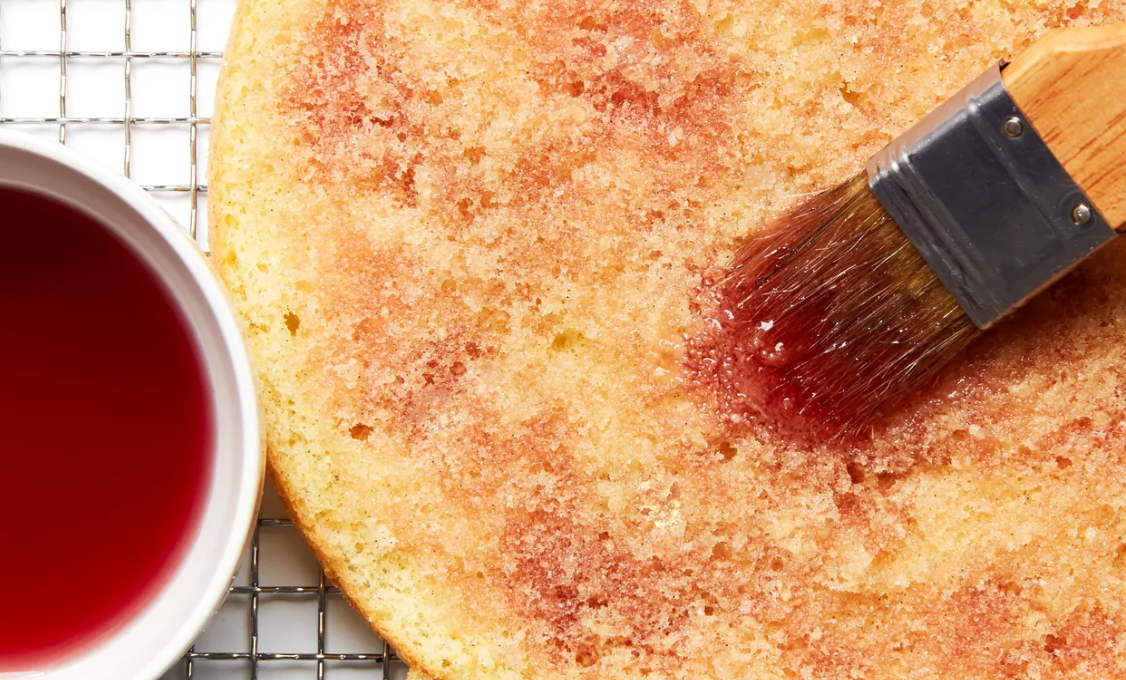
Simple syrup is a baker’s secret for bringing cakes back to life with a splash of moisture. It’s literally sugar and water boiled together until the sugar disappears. Here’s how to use it:
- Prepare your simple syrup by adding 1 cup of water and 1 cup of sugar in a small saucepan.
- Let the mixture cook over medium heat while stirring until the sugar dissolves thoroughly.
- Allow the syrup to cool slightly (you want it warm, not boiling hot).
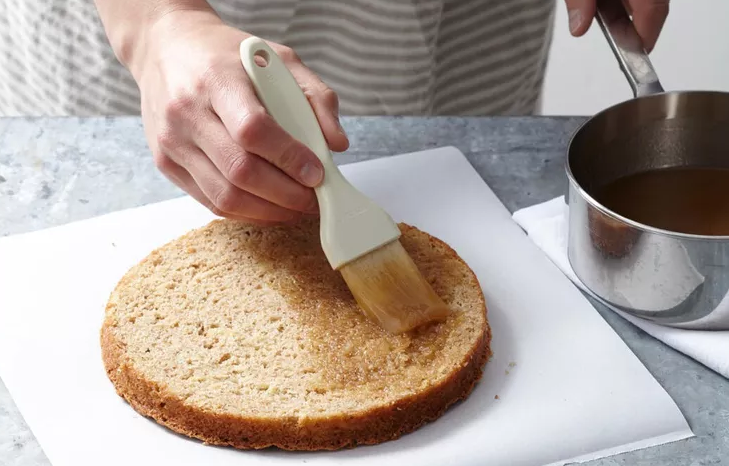
- Poke holes all over the top of your cake with a wooden skewer or toothpick.
- Brush or pour syrup over the cake, allowing it to soak in through the holes.
- Wait for about 10-15 minutes then try again if the cake is very dry.
That sugar in the syrup is not merely adding sweetness — it’s also to help the liquid bind with its mate, your cake. You could flavor your simple syrup by adding a few drops of vanilla extract, almond extract, citrus zest or even a splash of liqueur if you’re making an adult dessert.
Milk or Cream Soak
For a less sweet variation, you can substitute milk or cream for the simple syrup. It’s a great technique, especially with cakes that are going to be frosted — that way you don’t add even more sugar.
- Warm up about half a cup of milk or cream.
- Poke holes in your cake as you would with the simple syrup method.
- Pour (very slowly so it can soak in well) the warm milk over cake until all of it is absorbed.
This is particularly good on vanilla, chocolate or butter cakes.
Fruit Juice Rescue
If your cake has fruit flavors (say, lemon, orange or strawberry) you can add back moisture with fruit juice. It’s the same process as with the simple syrup method, except you’re using juice instead. This enhances what works now AND corrects the dryness!
For a lemon cake use (fresh) lemon juice and add some sugar. For chocolate cake, experiment with orange juice. The acidity in the fruit juice works to tenderize the crumb of the cake, too.
Moisture-Adding Frosting and Filling Techniques
The easiest way to make a dry cake better? Smother it in enough mouthwatering moisture on the outside that no one cares about the inside. A little extra frosting and filling can work wonders on a dry cake.
Generous Buttercream Application
Not only does thick buttercream frosting taste good, but it can also transfer moisture into the cake over time. The fat in the buttercream is a barrier that locks in any moisture still lurking around your cake, adding its own richness as well.
- Frost over a just-warm, not-hot cake. The heat encourages the frosting to melt a little and absorb slightly into the surface of the cake.
- Pile on more frosting than you might, and ensure every morsel of the cake is accounted for.
- Allow the frosted cake to rest in the refrigerator for a couple of hours. This time allows the moisture from the frosting to absorb into the cake.
How to Fix a Dry Cake After Baking
Cream Cheese Frosting Works Wonders
The cream cheese in this recipe ensures the frosting is moister than buttercream. It’s more pliable and spreads more evenly, which will allow it to work its way into the surface of the cake better. It’s a great one to use if you bake carrot or red velvet cakes, or anything with warm spices.
Whipped Cream and Ganache Layers
Trying to keep a layer cake moist? Add some moisture between each layer by filling with whipped cream or chocolate ganache. These fillings are a fat and liquid powerhouse, infusing your cake from the inside out.
Use fluffy clouds of whipped cream or ganache to sandwich those cake layers together. You might even want to spread a thin layer of fruit preserves or curd for more moisture and flavor. Because let’s face it, moist fillings with a good frosting will even make the driest cake palatable and even yummy.
The Make-It-Into-Something-Else Approach
If at this point your cake is not salvageable by such fixes, don’t throw it out. Turn it into a whole new dessert that is supposed to be made with dry cake.
Cake Pops Save the Day
Cake pops are essentially crumbled cake mixed with frosting, shaped into balls and covered in chocolate. They’re made from cake scraps, so your dry cake is just the thing for these.
- Crumble your whole cake into fine crumbs in a large bowl.
- Add frosting gradually, stirring until your mixture holds together when you press it. You want it moist enough to allow you to make balls, but not so wet that your mixture turns into mush.
- Roll them into balls, add lollipop sticks and dunk them in melted chocolate.
- Let them cool and set in the refrigerator, and you have a different dessert entirely that no one will ever guess came from a baking mistake.
Trifle Disguises Everything
A trifle is cake, custard or pudding, whipped cream and fruit layered in a giant glass bowl. The custard and cream are so rich that all of the moisture seeps into the cake, so it’s not an issue at all.
- Cut your dry cake into cubes.
- Layer them in a trifle bowl with vanilla pudding or custard, whipped cream and fresh berries.
- Continue to layer, finishing at the top of the bowl.
- Refrigerate for a minimum of four hours — overnight is even better. The cake will soak up all that moisture and taste as if it had been designed to be like this.
Bread Pudding Transformation
Cake is such a great thing to use for bread pudding because it’s already sweet and flavored. This is particularly effective with chocolate, vanilla, or spice cakes.
- Cut your cake into cubes and put in a baking tray.
- In a bowl, whisk together eggs, milk, cream, sugar and vanilla, along with any of your favorite spices.
- Carefully pour this custard mixture over the cake cubes, pressing them down to make sure they are well moistened by the liquid.
- Let it cool for 30 minutes, then bake at 350°F until the custard is set.
- Serve it warm with ice cream or whipped cream, and no one will know that it began as a dry cake.
For more tips on perfecting your baking techniques, check out King Arthur Baking’s comprehensive guide.
Storage Methods Which Avert Likewise Drying Out
After you’ve saved your dry cake, be sure to store it in a way that prevents it from getting stale all over again. Even a perfectly moist cake can end up dry if stored the wrong way.
Plastic Wrap Is Your Friend
Immediately after it cools entirely, wrap your cake tightly in plastic wrap. Cover every outside surface without missing a spot. The plastic wrap creates a seal that locks the moisture in.
For extra security, wrap in a second layer of plastic wrap or place it in an airtight container after wrapping. If you plan to eat it all within two days, store it at room temperature; otherwise, refrigerate for up to a week.
The Apple Slice Trick
This is a very old baker’s trick. Place a fresh apple slice on a little plate right next to the cake container. The apple adds moisture to the cake and keeps it moist, as well. You should replace the apple slice on a frequent basis, every two to three days.
Refrigeration Versus Room Temperature
Many cakes remain moister at room temperature, but confections with frostings based on dairy should be refrigerated. If you intend to refrigerate your cake, let it come to room temperature before serving. Cold cake also tastes drier than it really is, because the fats in its batter have solidified in the refrigerator.
Prevention Tips for Next Time
The best way to remedy a dry cake? Do not bake one at all. The following hints will make you the hero in keeping your cakes firm and moist forever.
Use an Oven Thermometer
Home ovens are typically 25 degrees hotter or cooler than their temperature setting reads. An oven thermometer can be had for less than ten dollars, and it tells you the real temperature inside your oven. This basic little tool keeps your cookies from being overdone and gives you perfect results every time.
Check for Doneness Early
Begin checking your cake about five minutes before the recipe states it should be done. Insert a toothpick in the center — if it comes out with just a few moist crumbs (not wet batter), your cake is ready. The point is, cakes carry over cook from residual oven heat even after you take them out of the oven so a little underdone is better than over.
Measure Flour Correctly Every Time
Always spoon the flour into your measuring cup and level it off with the straight edge of a knife. Do not scoop from the bag. Better still, measure out your flour with a kitchen scale. Most recipes that reference weights recommend 120 to 125 grams per cup of all-purpose flour.
Don’t Skip the Fat
If a recipe insists upon butter or oil, use the amount specified. Do not use applesauce or yogurt to “healthify” the recipe, unless it already is written specifically for those substitutions. Fat contributes to the moistness and tenderness of cakes.
Moisture Comparison Table
| Method | Speed | Efficiency | Best for | Difficulty |
|---|---|---|---|---|
| Simple Syrup | Quick (15 min) | Very high | Every type of cake | Easy |
| Milk Soak | Quick (10 min) | High | Vanilla, chocolate cakes | Easy |
| Generous Frosting | Moderate-High (2 hours) | High | Layer cakes | Easy |
| Cake Pops | Slow (3 hours) | Very high | Super dry cakes | Medium |
| Trifle | Slow (4+ hours) | Very high | Any cake flavor | Easy |
| Fruit Juice | Quick (15 min) | Medium-High | Fruit flavored cake recipes | Easy |
When to Quit and Try Again
Occasionally a cake is so dry and overbaked there’s no fixing it to enjoyable. If your cake is charred around the outside, crumbled into bits or tastes bitter from overbaking, go ahead and start again.
Luckily though, most dry cakes can be saved using the techniques above. Even if the cake seems beyond redemption, give the cake pop or trifle a shot rather than tossing it. You’d be amazed at how much difference these make.
The Science Behind Cake Moisture
Cakes require the right amount of support and tenderness. Structure comes from flour and eggs; tenderness and moisture come from fat, sugar and liquid. When you bake a cake, heat draws the liquids out of it and coagulates the proteins in flour and eggs. Bake too long, and all the liquid has evaporated and you’ve got a dry cake.
Sugar is a hygroscopic ingredient, meaning it draws and holds water molecules — which is why simple syrup works in rehydrating. The sugar here, becoming gluey when water is mixed in also then binds to the water and prevents evaporation or absorption by dry flour particles. This is also why underbaked cakes are a little more moist — they retain more liquid.
Fat rather coats the flour particles, so they can’t drink up too much liquid, and the crumb stays tender. This is why fat-rich frostings or fillings can make a dry cake feel moist, even if it’s already baked.
Frequently Asked Questions
My cake is dry, can I fix it the following day?
You can revive a dry cake tomorrow with simple syrup or a milk soak! Pierce the cake and pour on your liquid of choice. The cake absorbs moisture when it is not fresh; warm cakes absorb liquid more readily than cold ones. But if it’s been in the fridge, let the cake come to room temperature.
Does over-frosting covering a dry cake taste better?
Absolutely. And the thick frosting on it will shield against some of the moisture from the cake being transferred to the air, while infusing some of its fat and liquid over time. Frost with buttercream, cream cheese frosting or ganache for best results. Be sure to coat every exposed surface, then let the frosted cake sit for a couple of hours before serving.
Is it more than just water?
That said, using even the most tried-out cake will be transformed by a soak of simple syrup; not only does it generally hydrate better than water — sugar likes to stick to stuff, and it forms a major part of the structure in cakes like these — but it adds sweetness that helps balance out some of that lost due to over-baking. Sugar is hygroscopic, which means it draws in and holds water molecules. This keeps the liquid from running right through the cake or evaporating. What is the benefit of impregnating one’s cake with plain water?
Can you microwave a dry cake with water to moisten?
This isn’t recommended. Since microwaves cook unevenly and overcook the proteins in eggs or flour, a cake can turn either tough or rubbery. In the event that you have to microwave, put a cup of water in with your cake and heat for about 10-15 seconds. The steam from the water may add a hint of moisture, but it’s not all that effective.
How can I tell if my cake is beyond saving?
If your cake is burnt, tastes bitter, has crumbled to dust or has hard, crunchy edges all the way around, you’re probably better off just starting again. If, though, it is only dry but intact and still delicious, you can revive it employing the techniques outlined in this article. If you want to hedge your bets, go for the cake pop or trifle route — it will salvage even very dry cakes.
Does adding simple syrup make the cake too sweet?
It can play sweet, but you control the action by tuning the sugar-to-water ratio. For a less sweet background, use a 1:2 rather than the 1:1 ratio of sugar to water. Flavored liquids like coffee, fruit juice or even milk can also be used in place of simple syrup. The trick is moisture, not necessarily sugar.
Can I use these techniques on store-bought cakes?
Yes, they work on any dry cake — homemade or store-bought. Store-bought cakes can often benefit from simple syrup or milk soaks, as they are more likely to contain preservatives that dry the cake out. The trifle method is especially well-suited to the drier store-bought cake.
Can I freeze a cake after soaking it with simple syrup?
Yes, you can freeze a cake after giving it the simple-syrup treatment. Wrap it snugly in plastic wrap, then aluminum foil before freezing. When you defrost the cake, the simple syrup will freeze with it and help keep your cake moist. Thaw it, completely defrosting in its wrapper at room temperature before unwrapping.
In Conclusion on Saving Dry Cakes
A dry cake does not have to be a sad cake. With the right techniques, you could put some moisture back in there and make something delicious. Quick and efficient, simple syrup is still the easiest way to go for most applications. If your cakes are super dry you can make cake pops, trifles or bread pudding out of them and have a totally new dessert — concealing the initial problem.
The big takeaway is: Cakes collapse and baking fails are a vessel for learning. Every failed cake is a lesson in oven temperatures, ingredient measurements or baking times. Next time, you’ll test for doneness a tad earlier, measure your flour more carefully or buy that oven thermometer you’ve been considering.
With these quick “rescue” tricks up your sleeve, you’ll likely never have to toss a cake (or sweet roll or bread) that turns out dry again. And with a bit of ingenuity and the hints in this guide, you can change those baking flops into sweet wins. Happy baking, and keep in mind that even the pros have off days. What counts is figuring out how to fix it and then pulling forward.