

Function, Types, Testing, and Treatment Insights
Introduction
The estrogen receptor (ER) plays a crucial role in how the body responds to estrogen, a key hormone responsible for growth, reproduction, and overall health. Understanding estrogen receptors is especially important in the context of breast cancer, hormone therapy, and endocrine health.
In this guide, you’ll learn what estrogen receptors are, how they function, their role in diseases, and the latest treatment options available.
What Is an Estrogen Receptor?
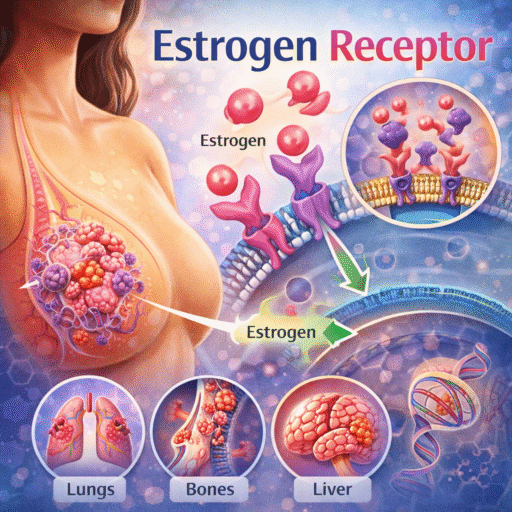
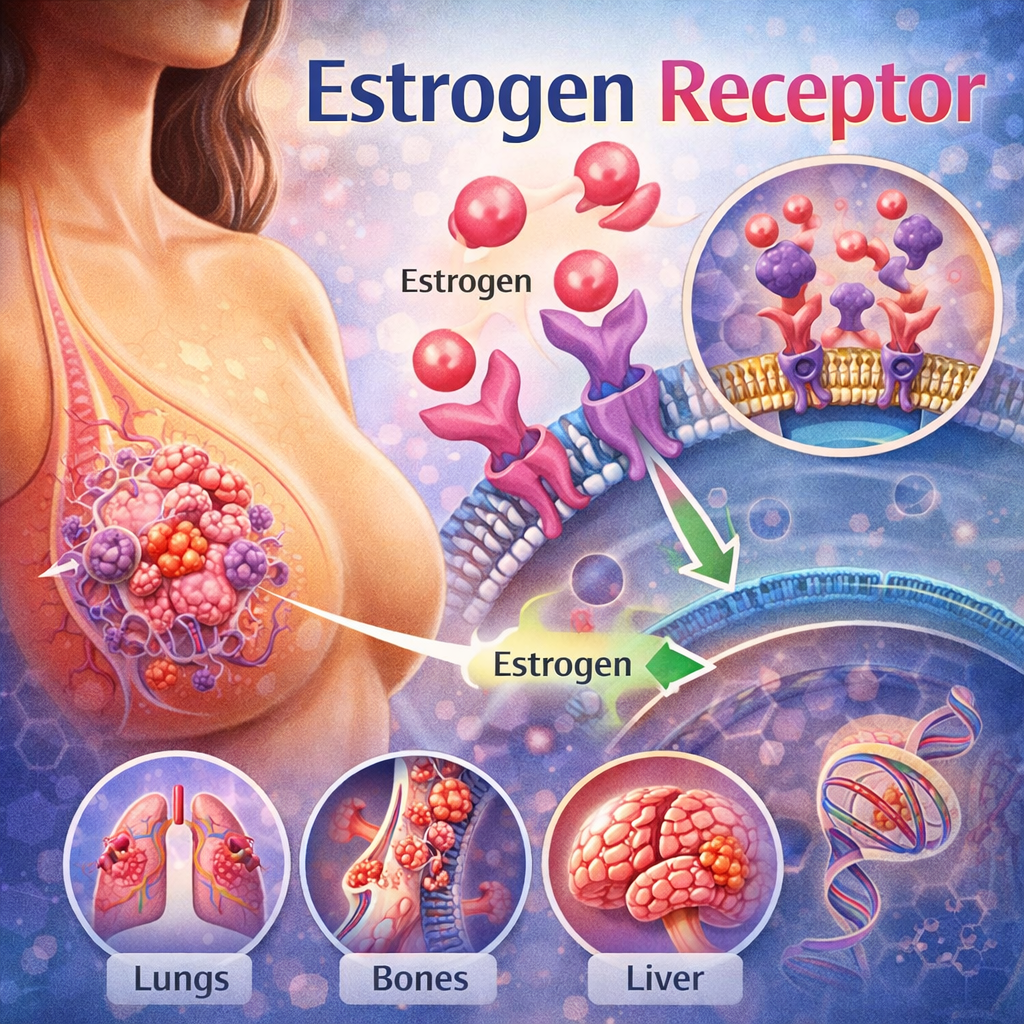
An estrogen receptor is a type of protein found inside or on the surface of certain cells. When estrogen binds to these receptors, it activates specific genes that regulate cell growth and function.
These receptors are most commonly found in:
-
Breast tissue
-
Ovaries
-
Uterus
-
Bones
-
Brain
They are essential for maintaining hormonal balance and reproductive health.
Types of Estrogen Receptors
There are two primary types of estrogen receptors:
1. ER Alpha (ERα)
-
Found mainly in the breast and uterus
-
Plays a key role in cell proliferation
-
Often associated with breast cancer growth
2. ER Beta (ERβ)
-
Found in ovaries, prostate, lungs, and brain
-
Helps regulate anti-inflammatory and protective functions
-
May counterbalance the effects of ERα
Understanding these receptor types is critical for targeted therapies and personalized medicine.
Estrogen Receptor and Breast Cancer
One of the most important clinical uses of estrogen receptor testing is in breast cancer diagnosis and treatment.
What Does ER-Positive Mean?
-
ER-positive breast cancer means cancer cells grow in response to estrogen
-
About 70–80% of breast cancers are ER-positive
What Does ER-Negative Mean?
-
Cancer cells do not respond to estrogen
-
May require more aggressive treatments like chemotherapy
Estrogen Receptor Testing
Doctors use ER testing to determine whether cancer cells are hormone-sensitive.
Common Testing Methods
-
Immunohistochemistry (IHC) – most widely used
-
Biopsy samples – taken from tumor tissue
Why Testing Matters
-
Guides treatment decisions
-
Helps predict prognosis
-
Determines eligibility for hormone therapy
Treatments Targeting Estrogen Receptors
For ER-positive conditions, especially breast cancer, several effective treatments target estrogen receptors.
1. Selective Estrogen Receptor Modulators (SERMs)
-
Example: Tamoxifen
-
Blocks estrogen from binding to receptors
2. Aromatase Inhibitors
-
Reduce estrogen production in the body
-
Common in postmenopausal women
3. Selective Estrogen Receptor Degraders (SERDs)
-
Break down estrogen receptors
-
Used in advanced cancer cases
Role in Hormone Therapy and Menopause
Estrogen receptors also play a major role in hormone replacement therapy (HRT).
Benefits
-
Reduces menopausal symptoms
-
Supports bone health
-
Improves quality of life
Risks
-
May increase risk of certain cancers
-
Requires medical supervision
Estrogen Receptors in Men
Although often associated with women, estrogen receptors are also important in men.
They help regulate:
-
Bone density
-
Libido
-
Sperm production
Imbalances can lead to hormonal disorders and require medical evaluation.
Emerging Research and Future Treatments
Ongoing research is exploring:
-
Targeted cancer therapies
-
Gene-based treatments
-
Improved diagnostic tools
Advancements in estrogen receptor science are opening doors to more personalized and effective care.
When to See a Doctor
Consult a healthcare provider if you experience:
-
Unusual breast changes
-
Hormonal imbalances
-
Persistent menopausal symptoms
-
Family history of hormone-related cancers
Early diagnosis can significantly improve treatment outcomes.
Conclusion
The estrogen receptor is a vital component of the body’s hormonal system, influencing everything from reproductive health to cancer development. With advancements in medical research and targeted therapies, understanding estrogen receptors has become key to improving diagnosis, treatment, and long-term health outcomes.