
Types, Benefits, and What You Need to Know
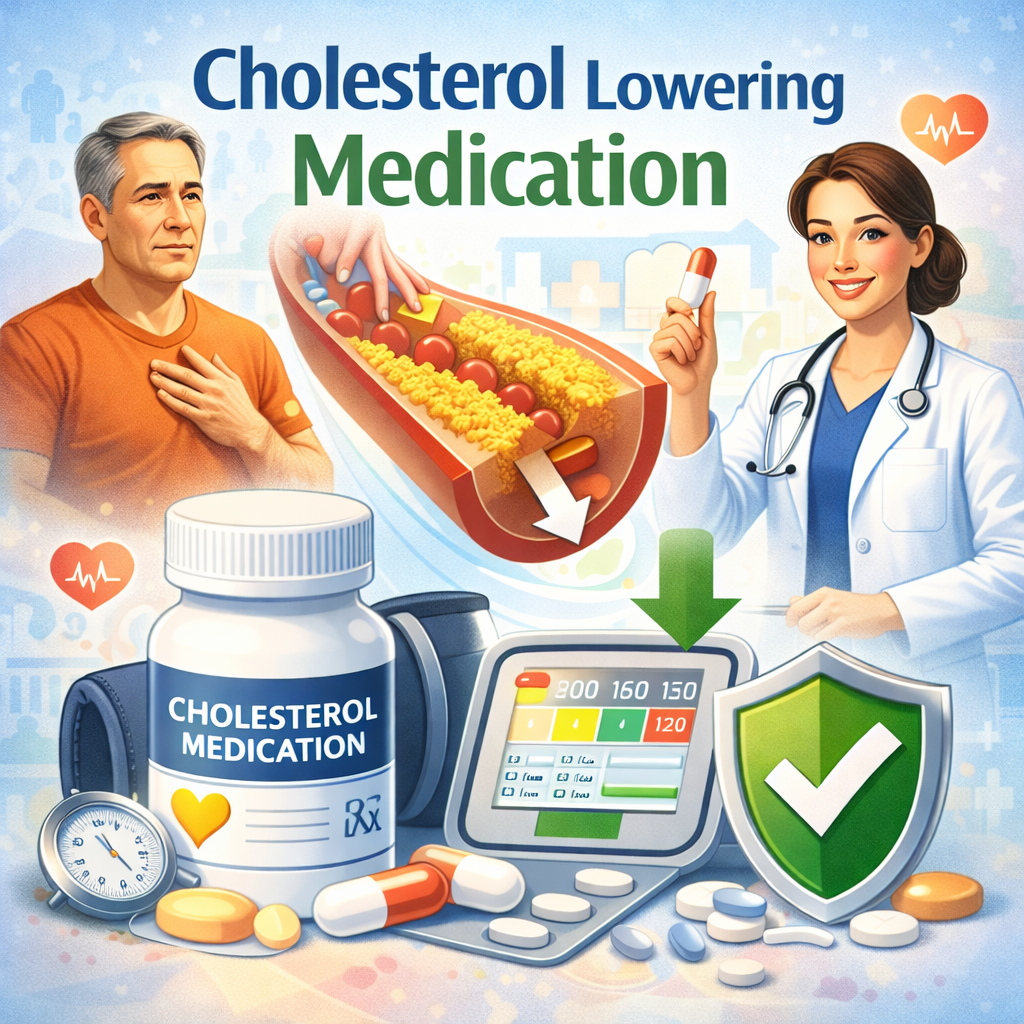
High cholesterol is one of the leading risk factors for heart disease and stroke, two of the most common causes of death worldwide. When lifestyle changes such as diet and exercise are not enough, doctors often recommend cholesterol lowering medication to help control cholesterol levels and reduce cardiovascular risk.
Understanding how these medications work and who needs them can help you make informed decisions about your heart health.
What Is Cholesterol?
Cholesterol is a fat-like substance found in the blood that your body needs to build healthy cells. However, too much cholesterol can lead to the formation of fatty deposits in blood vessels, making it harder for blood to flow through arteries.
There are two major types of cholesterol:
-
LDL (Low-Density Lipoprotein) – Often called “bad cholesterol” because it can build up in artery walls.
-
HDL (High-Density Lipoprotein) – Known as “good cholesterol” because it helps remove excess cholesterol from the bloodstream.
When LDL cholesterol becomes too high, doctors may prescribe cholesterol lowering drugs to prevent complications such as heart attack or stroke.
Who Needs Cholesterol Lowering Medication?
Not everyone with high cholesterol needs medication. Doctors usually recommend it for people who:
-
Have very high LDL cholesterol levels
-
Have already been diagnosed with heart disease
-
Have diabetes
-
Have a family history of high cholesterol
-
Are at high risk of cardiovascular disease
Before prescribing medication, healthcare providers typically evaluate cholesterol levels, age, lifestyle, blood pressure, and other risk factors.
Common Types of Cholesterol Lowering Medications
Several medications are used to lower cholesterol levels. Each works in a different way.
1. Statins
Statins are the most commonly prescribed cholesterol lowering medications. They work by blocking a substance the liver needs to produce cholesterol.
Common statins include:
-
Atorvastatin (Lipitor)
-
Simvastatin (Zocor)
-
Rosuvastatin (Crestor)
-
Pravastatin
Statins are highly effective at reducing LDL cholesterol and lowering the risk of heart attacks and strokes.
2. Bile Acid Sequestrants
These medications help the body eliminate cholesterol by binding to bile acids in the digestive system.
Examples include:
-
Cholestyramine
-
Colesevelam
-
Colestipol
They are often used when statins alone are not enough.
3. Cholesterol Absorption Inhibitors
These drugs reduce the amount of cholesterol absorbed from food in the intestines.
The most common example is:
-
Ezetimibe (Zetia)
Ezetimibe is sometimes combined with statins for greater cholesterol reduction.
4. PCSK9 Inhibitors
PCSK9 inhibitors are newer medications used for people with very high cholesterol or genetic cholesterol disorders.
Examples include:
-
Alirocumab
-
Evolocumab
These medications are usually given by injection and can significantly reduce LDL cholesterol levels.
5. Fibrates
Fibrates are mainly used to lower triglycerides, another type of fat in the blood.
Common fibrates include:
-
Fenofibrate
-
Gemfibrozil
They may also slightly increase HDL (good cholesterol).
Benefits of Cholesterol Lowering Medication
Taking prescribed cholesterol medication can provide several important health benefits:
✔ Lower LDL (bad cholesterol) levels
✔ Reduce the risk of heart attack and stroke
✔ Improve overall cardiovascular health
✔ Help prevent plaque buildup in arteries
For people at high risk of heart disease, these medications can be life-saving.
Possible Side Effects
Like all medications, cholesterol lowering drugs may cause side effects in some people. Common ones include:
-
Muscle pain
-
Digestive problems
-
Fatigue
-
Mild liver enzyme changes
Serious side effects are rare, but patients should always follow their doctor’s advice and attend regular checkups while taking these medications.
Lifestyle Changes That Support Cholesterol Treatment
Medication works best when combined with healthy lifestyle habits. Doctors often recommend:
🥗 Eating a heart-healthy diet rich in fruits, vegetables, and whole grains
🏃 Exercising regularly
🚭 Avoiding smoking
⚖ Maintaining a healthy weight
🍔 Limiting saturated and trans fats
These habits can improve cholesterol levels and enhance the effectiveness of medications.
Final Thoughts
Cholesterol lowering medication plays a crucial role in preventing heart disease and protecting long-term health. While lifestyle changes remain the foundation of cholesterol management, medications such as statins, PCSK9 inhibitors, and other therapies provide powerful tools for people at higher risk.
If you have concerns about your cholesterol levels, consult a healthcare professional to determine whether cholesterol medication or lifestyle adjustments are the right approach for you.