



What It Is, How It Works, and Important Considerations
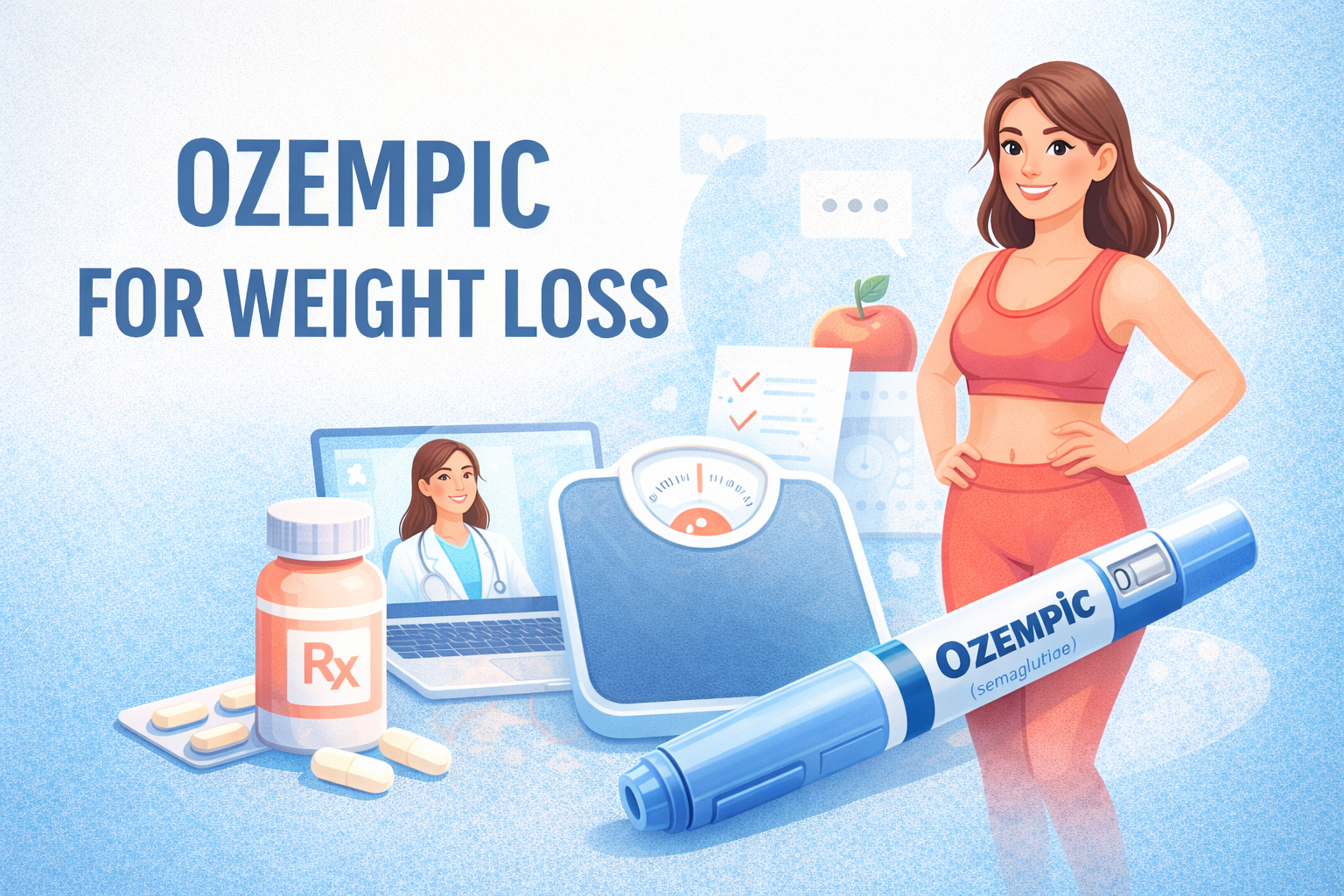
Ozempic has gained significant attention in recent years, particularly in conversations about weight management. Originally developed for blood sugar control in people with type 2 diabetes, Ozempic is now frequently discussed in relation to weight loss. As interest grows, many people are seeking reliable, factual information to understand what Ozempic is, how it works, and what considerations are involved when it is used in a weight management context.
This article provides an informational overview of Ozempic for weight loss, focusing on how it functions, who may be prescribed it, and why medical supervision is essential. The content is educational only and does not replace professional medical advice.
What Is Ozempic?
Ozempic is the brand name for semaglutide, a prescription medication that belongs to a class of drugs known as GLP-1 receptor agonists. These medications were initially developed to help manage blood glucose levels in individuals with type 2 diabetes.
Over time, researchers observed that some people using Ozempic experienced reduced appetite and gradual weight loss. This led to increased interest in its potential role in medically supervised weight management programs.
How Ozempic Works in the Body
Ozempic works by mimicking a hormone in the body called GLP-1 (glucagon-like peptide-1). This hormone plays a role in several key processes related to appetite and digestion.
Key Effects of Ozempic
Helps regulate blood sugar levels
Slows gastric emptying, which can increase feelings of fullness
Influences appetite control centers in the brain
Because of these effects, some individuals may naturally eat less while using the medication, which can contribute to weight reduction over time.
Ozempic and Weight Loss: Why It’s Discussed
Although Ozempic is not primarily marketed as a weight loss drug in all regions, its effects on appetite and satiety have made it a topic of interest in weight management discussions.
Healthcare professionals may consider Ozempic for certain individuals when:
Weight-related health risks are present
Other weight management strategies have not been effective
Medical evaluation supports its use
It is important to note that Ozempic is not appropriate for everyone, and eligibility is determined by a licensed healthcare provider.
Medical Supervision Is Essential
Ozempic is a prescription-only medication, meaning it should only be used under medical supervision. A healthcare provider evaluates factors such as:
Medical history
Current health conditions
Medications being taken
Individual health goals
Medical oversight helps ensure safety, proper dosing, and ongoing monitoring.
Ozempic in Telehealth and Weight Management Programs
With the rise of telehealth, Ozempic is sometimes discussed within structured, medically supervised weight management programs offered online. These programs typically include:
Health assessments
Virtual consultations with licensed professionals
Ongoing follow-ups
Telehealth models aim to increase access while maintaining professional standards of care.
Potential Benefits of a Medically Guided Approach
When Ozempic is used as part of a supervised program, the focus is not solely on medication but on long-term health outcomes.
Common Program Components
Nutrition education
Physical activity guidance
Behavioral support
Regular progress monitoring
Medication is considered one tool within a broader health strategy.
Important Considerations and Safety Factors
As with any prescription medication, Ozempic has considerations that should be discussed with a healthcare provider.
General Safety Considerations
Not suitable for all individuals
Requires consistent monitoring
Side effects vary between individuals
Lifestyle changes remain important
Healthcare professionals determine whether benefits outweigh risks for each patient.
Ozempic vs. Lifestyle-Only Weight Management
Weight management approaches vary widely. Some people pursue lifestyle-based strategies alone, while others explore medically supervised options.
Lifestyle-Focused Approaches
Diet and nutrition planning
Physical activity
Behavioral changes
Medically Supervised Approaches
Medical evaluation
Prescription options when appropriate
Structured support
Both approaches can be effective depending on individual circumstances.
Managing Expectations About Weight Loss
It’s important to maintain realistic expectations when discussing Ozempic for weight loss. Weight changes typically occur gradually and depend on multiple factors, including:
Individual metabolism
Adherence to medical guidance
Lifestyle habits
Overall health
No medication guarantees specific outcomes, and sustainable progress often requires time and consistency.
Cost, Access, and Insurance Considerations
Access to Ozempic varies depending on location, healthcare system, and insurance coverage. Some individuals may encounter:
Prescription eligibility requirements
Insurance limitations
Out-of-pocket costs
Reviewing coverage and discussing options with a healthcare provider is essential.
Why Education Matters in Weight Management
Education empowers individuals to make informed decisions. Understanding how medications like Ozempic work helps people evaluate whether a medically guided approach aligns with their health goals.
Well-informed patients are better equipped to:
Ask relevant questions
Follow medical recommendations
Maintain long-term wellness habits
Final Thoughts
Ozempic for weight loss is part of a broader conversation about medically supervised weight management. While it has gained attention due to its effects on appetite and metabolism, it is not a universal solution and should only be considered with professional guidance.
Weight management is a personal journey, and the most effective approach is one that prioritizes safety, sustainability, and individualized care.








“Ozempic is a game-changer for weight loss! 🚀 Appetite suppression + improved insulin sensitivity = real results 💪. Definitely consult a doc, but game face is on
This weight loss treatment is very good 😊
Ozempic has helped so many, but it comes with risks.