


Gyms: A Comprehensive Guide to Modern Fitness Centers, Benefits, Services, and How to Choose the Right One
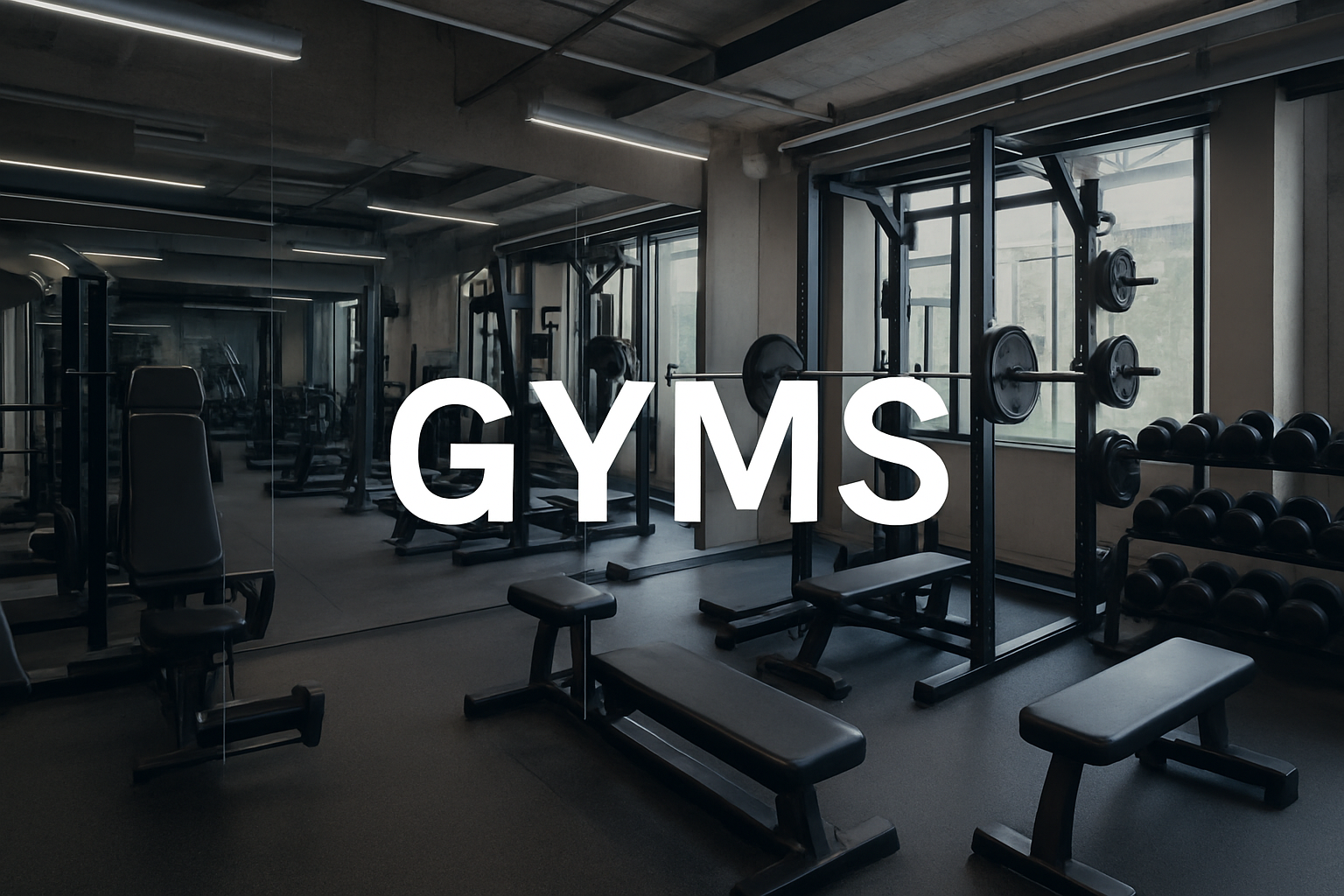
Gyms have become essential spaces for people who want to improve their physical fitness, adopt a healthier lifestyle, or simply stay active throughout the week. With the growing awareness of wellness and physical activity, the fitness industry continues to expand worldwide, offering a wide range of gym types, equipment, membership plans, and training programs. Whether you’re a beginner exploring fitness options or a seasoned athlete looking for a professional training environment, understanding the role of gyms in overall wellness can help you make informed decisions.
This comprehensive guide covers what gyms offer, the benefits of joining one, the different types of gyms available, and key factors to consider before choosing a membership.
What Is a Gym?
A gym short for “gymnasium” is a dedicated facility where people engage in physical exercises using various workout machines, free weights, cardio equipment, and fitness accessories. Modern gyms often include additional services such as personal training, group classes, nutrition guidance, and wellness programs.
Gyms cater to people of all ages, fitness levels, and goals, including:
Weight management
Strength development
Flexibility improvement
Cardiovascular fitness
Stress reduction
General physical activity
Because of their structured environment and professional equipment, gyms offer a reliable space for consistent and safe workouts.
Benefits of Joining a Gym
Joining a gym provides a wide variety of advantages beyond physical fitness. Here are some of the most notable benefits:
1. Access to Professional Equipment
Gyms provide machines and tools designed to support different types of workouts, such as:
Treadmills
Stationary bikes
Squat racks
Cable machines
Dumbbells and barbells
These allow you to train safely and effectively without having to invest in expensive equipment for home use.
2. Motivation and Accountability
Being surrounded by people focused on improving their health can be motivating. Many gym members feel more committed when they follow a routine or work alongside others with similar goals.
3. Structured Workout Options
Gyms offer a variety of fitness programs, such as:
Strength training
Cardio sessions
HIIT workouts
Yoga and stretching
Group fitness classes
These options help individuals stay engaged and avoid workout plateaus.
4. Support from Professional Trainers
Certified trainers can guide members through proper form, exercise selection, and personalized routines. This support is especially helpful for beginners.
5. Access to Group Classes
Group classes add excitement and structure to workouts. Common class types include:
Zumba
Cycling
Aerobics
Strength circuits
Dance fitness
These also help build a fitness community.
6. Improved Mental Wellness
Regular exercise is associated with increased energy, better sleep, and reduced stress. Gym spaces provide an environment where people can focus on their physical and mental well-being.
Types of Gyms
The fitness industry offers many types of gyms designed to fit different needs and preferences. Understanding these categories helps you choose a gym aligned with your goals.
1. Traditional Gyms
These are full-service gyms offering a mix of weight training, cardio machines, fitness classes, and sometimes amenities like showers and locker rooms.
2. 24-Hour Gyms
These gyms allow members to work out at any time. They are ideal for:
Shift workers
Busy professionals
Students with unpredictable schedules
Popular examples include Anytime Fitness and similar 24/7 access facilities.
3. Boutique Fitness Studios
These studios focus on specific types of workouts, such as:
Cycling
Pilates
Yoga
Boxing
Functional training
Boutique gyms offer personalized attention but often cost more.
4. Strength and Powerlifting Gyms
Equipped with squat racks, barbells, bumper plates, and platforms, these gyms appeal to individuals focused on strength training.
5. Sports and Athletic Centers
These centers include:
Indoor courts
Swimming pools
Running tracks
Performance training equipment
They attract athletes and sports enthusiasts.
6. Budget Gyms
Budget-friendly gyms offer essential workout equipment at low membership fees. They appeal to individuals seeking basic training without premium amenities.
Services Typically Offered at Gyms
Modern gyms often provide more than access to equipment. Common services include:
Personal Training
One-on-one sessions focused on safe and effective training.
Group Fitness Classes
Instructor-led sessions that make exercising more engaging.
Nutrition Support
Some gyms offer nutritional guidance or wellness assessments.
Locker Rooms and Showers
Convenient amenities for members who work out before or after work.
Mobile Apps
Many gyms now offer apps that help track workouts, schedule training, or access digital fitness programs.
How to Choose the Right Gym
Selecting a gym requires thoughtful consideration. Here are some factors that can help you make a confident choice:
1. Location
Convenience matters. Choose a gym close to your home or workplace to make it easier to stay consistent.
2. Operating Hours
If your schedule is unpredictable, a 24-hour gym may offer the flexibility you need.
3. Equipment Variety
Ensure the gym has the machines and tools that support your fitness goals.
4. Cleanliness and Safety
Hygiene is important. Clean equipment and sanitized spaces improve your overall experience.
5. Staff Friendliness
Supportive and professional staff create a welcoming environment.
6. Membership Cost
Compare prices, contracts, and benefits to find the best value.
7. Trial Periods
Many gyms offer free trials or guest passes. Testing the environment before signing up helps you make the right choice.
The Rise of Digital Fitness and Hybrid Gyms
In recent years, many gyms have adopted hybrid models that blend in-person workouts with digital tools. These features may include:
Virtual classes
Online coaching
Workout tracking apps
Wellness programs
Hybrid fitness allows members to stay active even on days they cannot visit the gym physically.
Conclusion
Gyms remain one of the most reliable, structured, and accessible places to maintain physical fitness. They provide a wide range of equipment, professional guidance, supportive communities, and flexible workout options for individuals at all fitness levels. Whether your goals include building strength, improving endurance, managing weight, or enhancing overall health, a gym membership can help you stay consistent and motivated.
When choosing a gym, consider factors like location, hours, cost, equipment variety, and overall atmosphere. With the right environment and routine, gyms can play a significant role in helping you achieve long-term wellness and an active lifestyle.









mrsqnonijsuwhnoxufiixglnzswwol
Wow interesting very informative and educative I really learnt alot of things I never knew before am happy to have access this page