


Imagine, you’re in the middle of creating your favorite homemade chocolate chip cookies and stop short realizing that you are out of eggs. Or perhaps you want to make a cake, but there’s no buttermilk in the refrigerator. Don’t panic! Knowing how to smartly substitute ingredients can be the difference between your recipe going south and being even more delicious than you imagined.
This is not about taking a random bunch of stuff and hoping it works. It’s learning what each ingredient does in a recipe and how to make substitutions that do the same ones. Whether it’s food allergies and dietary preferences, running out of a shelf-stable ingredient or simply wanting to experiment, this post has you covered via simple tips and tricks that will help make substitution success second nature.
The best part? Cooking is far less daunting once you pick up these tricks. You’ll feel ready to take on all of the recipes, even when you don’t have every single ingredient written on them.
Why the Ingredients in Makeup Matter to Begin With
Before we turn to substitutions, let’s discuss why the recipes ask for certain ingredients. Each and every element of a recipe has a function, and knowing how these different functions work can help you make better choices when it comes to subbing out ingredients.
The Science Behind Cooking
A mix of ingredients is not simply stuff that you cast into a pot. Each one serves a purpose:
- Structure builders: Flour, eggs and protein are your dish’s building blocks
- Moisture deliverers: Liquids such as milk, water and oil help ensure things aren’t dry
- Flavor boosters: Spices, herbs and extracts that make food taste better
- Leaveners: Elements such as baking powder, baking soda and yeast cause things to rise and become light in texture
- Binders: Eggs and starches bind it all together
- Fat: Butter, oil and cream help with richness, texture
The answer is: When you substitute an ingredient, you need to replace not only the ingredient but also its function. In sheer volume, a cup of water might take the place of a cup of milk; but it won’t contribute the same rich, fatty mouthfeel.
The Smart Swapper’s Golden Rules
Stick to following these simple rules, and never again will you have kitchen disasters of epic proportions.
Rule #1: Match the Purpose
Consider what the initial ingredient does. If you’re substituting in cookies, you want something that has equivalent fat content and moisture. Applesauce may cut fat, but it will not yield that same crisp texture butter would.
Rule #2: Consider the Ratios
Not all substitutions are one-to-one. You may find yourself needing slightly less or more of the substitute ingredient. For instance, when replacing sugar with honey you’d ordinarily use less of the sweetener since it’s stronger and also more wet.
Rule #3: Consider Culinary Consequence
Some swaps will alter the flavor of your finished dish. Subbing Greek yogurt for sour cream is great texturally, if you can’t taste it, all the better. You have to ask yourself if that flavor change plays well with your recipe.
Rule #4: When Not to Substitute
Some recipes are more forgiving than others. Soups, stews and casseroles tend to handle substitutions well. But what about fragile recipes like macarons, soufflés or puff pastry? Those actually require specific ingredients to function correctly.
How to Trade Dairy Like a Pro
Use non-dairy substitutes. Some common swaps include swapping out dairy products for non-dairy options, whether you have an intolerance or just no milk.
Milk Alternatives That Actually Work
| Original Ingredient | Best Substitute | Ratio | Best Use |
|---|---|---|---|
| 1 cup whole milk | 1 cup almond milk + 1 tbsp butter | 1:1 | Baking or cooking |
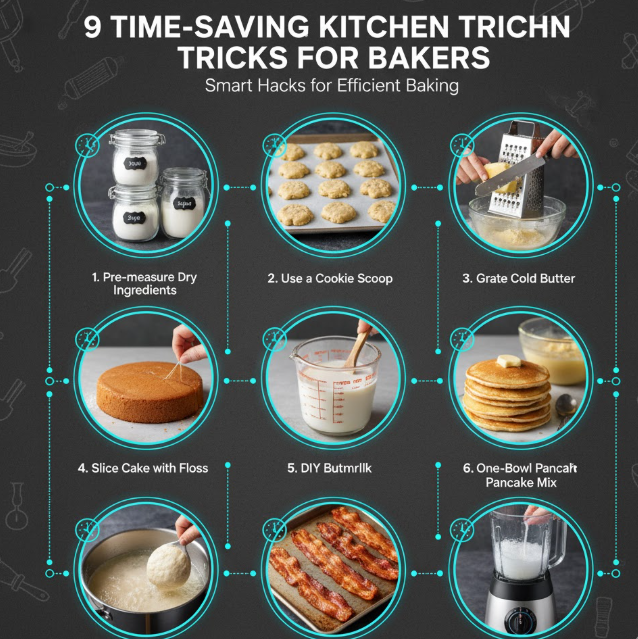
The Simple 20-Minute Buttermilk Trick Everyone Needs to Know
Don’t have buttermilk? No problem. Measure out one tablespoon of white vinegar or lemon juice in a measuring cup. Add regular milk until it reaches the one-cup line. Leave it for five minutes or until it begins to look a bit curdled. Boom—you’ve got buttermilk!
Butter Substitutes for Different Needs
When to replace butter: The thing with replacing butter is that it really depends on what you are making. Use coconut oil instead at a 1:1 ratio for baking cookies or cakes, though keep in mind that it will add a mild coconut flavor. Melted butter can be substituted with olive oil or vegetable oil for savory cooking. For a calorie reduction, feel free to sub halfway in most baking recipes with unsweetened applesauce.
Egg Replacements That Don’t Flop
Eggs can be tricky, because they do so many things: bind ingredients together; add moisture to the batter; create lift; and impart richness. The appropriate replacement will depend on the function of the egg in your recipe.
When Eggs Bind Ingredients Together
For recipes like meatballs, veggie burgers or cookies, which call for eggs as glue:
- Flax eggs: Mix 1 tablespoon flaxseed powder and add it to 3 tablespoons water. Set aside for 5 minutes to get gooey. This replaces 1 egg.
- Chia eggs: Same process as flax eggs but with chia seed instead
- Mashed banana: Use 1/4 cup per egg in sweet recipes such as muffins or pancakes
Lift and Fluffiness, Courtesy of Eggs
For cakes, cupcakes, and other baked things that need to puff up:
- Seltzer water: 1/4 cup seltzer water per egg
- Vinegar and baking soda: 1 tablespoon vinegar mixed with 1 teaspoon of baking soda per egg
- Commercial egg replacer: Prepare using package directions
The Moisture-Only Substitute
If it’s moisture, primarily (as in brownies), try this:
- 1/4 cup unsweetened applesauce for each egg
- 1/4 cup mashed sweet potato or pumpkin puree per egg
- 3 tablespoons of aquafaba (the liquid from a can of chickpeas) per egg
Flour Power: Switching Your Starches
Flour substitutes can be tricky because flours have personalities. There’s a reason it’s called “all-purpose” flour: It’s versatile and neutral.
Gluten-Free Flour Swaps
If you’re trying to eliminate gluten, don’t just use any old gluten-free flour and cross your fingers:
- Cup-for-cup blends: These are created to work in place of all-purpose flour at a 1-to-1 ratio. They work for most recipes.
- Almond flour: The best for cookies, cakes and pie crusts. Substitute 1 cup almond flour for every 1 cup all-purpose, but add an egg or other binding agent because it doesn’t contain gluten.
- Coconut flour: Super absorbent! Use only 1/4 to 1/3 cup coconut flour per 1 cup all-purpose flour, and add extra liquid.
- Oat flour: It makes great pancakes and muffins. Use 1 1/3 cups oat flour for every 1 cup all-purpose flour.
Regular Flour Swaps
- Cake flour instead of all-purpose: For every 1 cup all-purpose flour, use 1 cup + 2 tablespoons cake flour.
- All-purpose instead of cake flour: Subtract 2 tablespoons from each cup all-purpose, then add 2 tablespoons cornstarch
- Whole wheat flour instead of all-purpose: When using whole wheat in place of all-purpose, try starting with half and half to avoid heavy, dense results

How to Substitute Ingredients Without Ruining Recipes
Sweet Alternatives to Sugar
There is more to sugar than just sweetness. It plays a huge role in texture, browning and moisture when it comes to baked goods.
Natural Sugar Swaps
| Original | Sub | Amount to Use | Notes |
|---|---|---|---|
| 1 cup white sugar | Honey | 3/4 cup | Cut liquid by 1/4 cup. Add 1/4 tsp baking soda |
| 1 cup white sugar | Maple syrup | 3/4 cup | Cut liquid by 3 tablespoons. Works best in recipes with warm spices |
| 1 cup white sugar | Agave nectar | 2/3 cup | Cut liquid by 1/4 cup. Lower oven temp by 25°F |
| 1 cup white sugar | Coconut sugar | 1 cup | Equal amounts. Adds a slight caramel taste |
Low-Calorie Sweetener Tips
Artificial sweeteners such as Stevia or Splenda are not universally good substitutions, as they don’t offer the necessary body and texture that sugar does. They’re best for:
- Sweetening beverages
- No-bake desserts
- Recipes specifically created for sugar analogues
For baking, find “baking blend” products that mix artificial sweeteners with a little sugar to be more bakeshop friendly.
Oil and Fat Exchanges for Any Situation
Fats give food moisture, tenderness and flavor. They’re also required for high-heat cooking.
Cooking Oil Alternatives
If a recipe asks for vegetable oil or canola oil:
- Coconut oil, melted: Sub 1:1 for baking
- Olive oil: Good for savory recipes; use extra-light olive oil when baking to prevent overbearing flavor
- Butter that has been melted: For 1 cup oil, use 3/4 cup melted butter
- Applesauce: Use half the amount of oil when baking to cut calories and fat
When You Need High-Heat Cooking
Some oils are not built for high heat. For high-temperature frying or sautéing, use:
- Avocado oil (smoke point: 520°F)
- Refined coconut oil (smoke point: 450°F)
- Peanut oil (smoke point: 450°F)
Don’t reach for your best extra-virgin olive oil to sear meat, or you’ll end up with a smoky burnt mess (and bitter-tasting food).
Herb and Spice Substitutions
Fresh herbs aren’t always on hand, and there are times when you simply don’t have the right spice in your cupboard.
Fresh vs. Dried Herbs
Rule of thumb: 1 tablespoon fresh herbs = 1 teaspoon dried herbs
Dried herbs are more potent, so you’ll need less. But some herbs lose a lot when they’re dried:
- Basil, cilantro and parsley are all way better fresh
- Dried oregano, thyme and rosemary work really well
- Chives and dill lose flavor when dried, but are effective nonetheless
Common Spice Swaps
- No pumpkin pie spice? Combine cinnamon, nutmeg, ginger and cloves.
- No Italian seasoning? Mix together basil, oregano, thyme and rosemary.
- No allspice? Substitute with the same amount of cinnamon and nutmeg
- No cayenne pepper? Substitute 1/2 the quantity of crushed red pepper flakes
- No vanilla extract? Substitute vanilla bean paste, maple syrup or almond extract (use less – it is stronger)
Thickening Agents and Substitutes
Thickeners convert liquids to gravies, sauces and puddings. Each one works differently.
Cornstarch Alternatives
If a recipe tells you to use cornstarch to thicken:
- All-purpose flour: Use 2 tablespoons of all-purpose flour per 1 tablespoon cornstarch
- Arrowroot powder: 1:1 ratio. Perfect for sauces you want to freeze.
- Tapioca starch: 2 tablespoons per tablespoon of cornstarch—ideal for pie fillings
Making Slurries That Don’t Clump
Stir regularly while cooking, and be sure to mix your thickening agent with cold ingredients before adding to the hot food. This prevents lumps. Mix your thickener with a little cold water or broth, until smooth then slowly stir into the hot dish simmering on your stovetop.
Protein Swaps for Main Dishes
It’s easier than you might think to swap out the main protein in a recipe — especially when you know cooking times and textures.
Meat-to-Meat Substitutions
- Ground beef: Is changeable for most recipes with ground turkey, chicken or pork. Lower fat to cook with because they are leaner meats.
- Chicken breast: Can replace with turkey breast, pork tenderloin, or firm white fish (adjust cooking time)
- Beef roast: Swap it out for a pork shoulder or lamb shoulder prepared in the same way
Plant-Based Protein Options
- Crumbled tofu: For scrambles, stir-fries and casseroles
- Tempeh: Perfect for sandwich-making, bowls and anywhere you’d use slices of meat
- Lentils: Sub ground meat in tacos, spaghetti sauce or shepherd’s pie
- Chickpeas: Either mash them up and bind with a little mayo in place of tuna salad, or use whole in curries as you would chicken
For more information on plant-based cooking techniques, visit https://www.forksoverknives.com/
Baking Powder and Baking Soda Mix Ups
These two groups appear similar but work differently. You pick the wrong one, and it will ruin your recipe.
The Key Difference
- Baking soda requires acid (like buttermilk, yogurt or vinegar) to work
- Baking powder has acid in it, all it needs is liquid and heat
How to Substitute
- Out of baking powder: Substitute 1/4 teaspoon baking soda + 1/2 teaspoon cream of tartar per 1 teaspoon of baking powder called for.
- If you have no baking soda: Use 3 teaspoons baking powder (make sure it’s not old) instead of 1 teaspoon baking soda.
What to Do When Substitutions Don’t Work Out: A Troubleshooting Manual
Even the best-laid plans, however, don’t always yield perfect swaps. How to fix a few common mishaps.
Your Bakes Are Too Heavy
This occurs when you have used heavy flours or too little leavening. Next time:
- Add an extra 1/4 teaspoon baking powder
- Mix less; be more gentle
- Double check that your baking powder is not expired
Your Sauce Is Too Thin
If the thickener you substituted isn’t cooperating:
- Simmer it for a shorter time if you like it brothy
- Prepare a fresh thickening slurry and continue to add it in the same manner
- Add a bit of softened butter (it helps emulsify and will thicken)
Your Food Does Not Taste As You Would Like It To
Some flavor variation is normal with substitutions. To balance it:
- Sprinkle some salt for more taste altogether
- Mask bad tastes with spices or herbs
- Brighten the taste with a little bit of acid (lemon juice or vinegar)
Recipe Types and Their Flexibility
Not all recipes are created equal — when it comes to substitutions. Here’s a quick primer on what’s more forgiving, and what isn’t.
Most Flexible Recipes
- Soups and stews
- Stir-fries
- Casseroles
- Smoothies
- Sauces and marinades
- Muffins and quick breads
Moderately Flexible Recipes
- Cookies
- Cakes
- Pancakes and waffles
- Pizza dough
- Pasta dishes
Least Flexible Recipes
- Macarons
- Croissants and puff pastry
- Soufflés
- Meringues
- Custards and crème brûlée
- Angel food cake
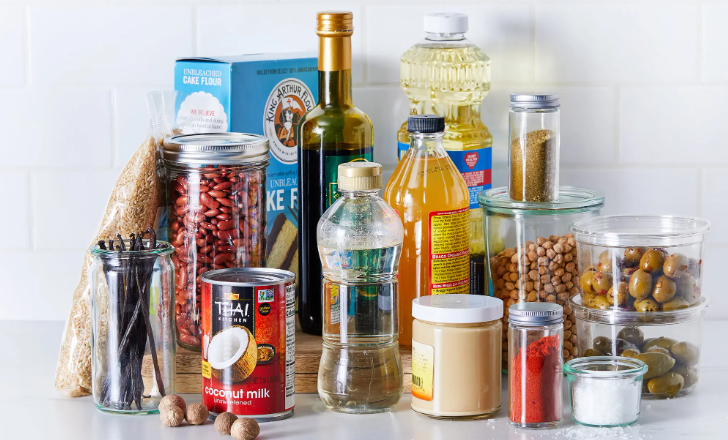
Building Your Substitution Pantry
For easy substitution later, have a few of these great all-purpose ingredients on hand:
Essential Staples
- Apple cider vinegar and lemon juice (for buttermilk and to provide acid)
- Cornstarch and flour (for thickening)
- Neutral oil and olive oil
- Honey or maple syrup
- Unsweetened plain yogurt (doubles as sour cream, buttermilk or mayo)
- Eggs (or flax seed for egg free)
Smart Add-Ons
- Vanilla extract
- Baking powder and baking soda
- Coconut milk (full fat for sour cream replacements)
- Various dried herbs and spices
- Unsweetened applesauce

How to Substitute Ingredients Without Ruining Recipes

FAQs
Can salted butter be used in place of unsalted butter?
Yes, just cut down the amount of salt in your recipe by 1/4 teaspoon for each stick of butter. Unsalted butter is the baking choice since it lets you have more control over the salt in your recipe.
What’s the best egg substitute for vegan baking?
It depends on the recipe. Flax eggs are perfect for cookies and quick breads. Aquafaba (chickpea liquid) is fantastic for meringues and stuff that needs to be fluffy. For heavier things like brownies, applesauce or mashed banana are fine.
Can I substitute Greek yogurt for sour cream?
Absolutely! Use a 1:1 ratio. Greek yogurt has that same acidity and texture. It’s also great in dips, on tacos, for baking and as a topping.
How can I replace self-rising flour?
For every 1 cup self-rising flour used, substitute an equal combination of all-purpose flour + 1 1/2 teaspoons baking powder + 1/4 teaspoon salt. Mix these together before using.
Can I substitute brown sugar for white?
Yes, in most recipes you should be able to swap 1:1. The brown sugar adds a little extra moisture and that deeper, caramel-y flavor. Your baked goods could be a touch softer, chewier.
What can I use for heavy cream replacement?
For cooking (not whipping): For 1 cup, mix 3/4 cup milk and 1/3 cup melted butter. For a healthier alternative, replace the whole milk with evaporated milk. For dairy-free: Use full-fat coconut milk (the thick part from a can that’s been refrigerated).
Can there be an alternative option to yeast in bread recipes?
Not so much for traditional yeasted breads. Baking powder and baking soda work differently. If you still have baking powder or baking soda, then make some quick bread — such as Irish soda bread or biscuits.
Coconut oil in place of vegetable oil?
Yes, at a 1:1 ratio. If you don’t like the taste of coconut, use refined coconut oil. Respect the fact that coconut oil hardens when cold, so some recipes may have a different texture.
Your Kitchen, Your Rules
Confidence in switching out ingredients is what turns a recipe-follower into an actual cook. Instead of panicking that you don’t have something and doing without it, well, you get creative.
So what’s the secret to making successful substitutions? Successful food substitutes are determined by three things: knowing what each ingredient is supposed to do, mastering some basic cooking principles and feeling free to experiment. Yes, not every swap will be a success on the first try, but hey — that’s how we learn.
Begin with easy swaps in forgiving recipes. Add a dollop of Greek yogurt to your next batch of muffins instead of sour cream. Substitute half of the oil with applesauce in brownies. Substitute fresh herbs for dried in your pasta sauce. As you become accustomed to these simple trade-offs, you will naturally begin attempting more daring swaps.
Just because recipes are not sacred texts engraved in stone. They’re guidelines, starting points, suggestions. The more you cook and get experimental with your substitutions, the more of an instinct you’ll develop for what works. You’ll begin to think about your pantry differently, more in terms of opportunities than constraints.
So the next time you’re missing an ingredient, don’t throw in the towel — or grab your coat and head to the grocery store. Don’t panic, consider what that ingredient is meant to do in the recipe and find a substitute. Your dish may not be what you were aiming for — but what you wound up with might be delicious. Who knows? Your twist may even be better than the original recipe!
Now get in that kitchen and cook with confidence. You’ve got this!