


There’s something magical about a perfectly baked pastry — that buttery aroma, the flaky layers, and the golden crisp bite that melts in your mouth. But let’s be honest — baking pastries isn’t just about following a recipe. It’s an art mixed with a bit of science and a lot of care. Whether you’re just learning or have baked for years, these 10 pastry tips professional bakers swear by will help you take your baking to a whole new level.
Keep your ingredients cold ❄️
If you’ve ever wondered why your pastry turns out dense instead of light and flaky, here’s the secret — cold ingredients are the key. Cold butter, cold water, and even a slightly chilled bowl can make a world of difference. When butter stays cold while mixing, it doesn’t fully blend into the dough. Instead, it creates tiny pockets that steam up in the oven, making your pastry rise and form those perfect layers.
A pro tip? Before you start, cut your butter into cubes and place it in the freezer for about 10 minutes. And if your kitchen is warm, chill your flour too. It might sound over-the-top, but professionals swear by it for consistently flaky results.
| Ingredient | Ideal Temperature | Why It Matters |
|---|---|---|
| Butter | 4°C / 39°F | Keeps layers flaky |
| Water | Ice-cold | Helps dough stay firm |
| Bowl | Chilled | Prevents butter melting too soon |
Don’t overwork the dough 🙅♀️
If pastry dough could talk, it would say — “please, be gentle.” The moment you start kneading too much, gluten begins to form. And while gluten is great for bread, it’s the enemy of a soft, flaky crust. Overworking turns the dough tough, chewy, and heavy.
Mix the dough just enough for everything to come together. You should still see small pieces of butter in it — those bits will melt in the oven, creating that dreamy flakiness. Remember, pastry dough doesn’t need a workout. Treat it like silk — soft, minimal handling, and always gentle.
Rest your dough before rolling 💤
This step is like a spa break for your dough. After mixing, let it rest in the fridge for at least 30 minutes. Why? Because during mixing, gluten strands tighten up. Resting helps them relax again, making it easier to roll out the dough without tearing or shrinking in the oven.
Many beginners skip this step, but pros never do. In fact, if you have time, let it chill overnight. You’ll notice a huge difference in texture and flavor.
Use the right type of flour 🌾
Flour isn’t one-size-fits-all. Different pastries need different textures, and that comes from the protein content in the flour.
Here’s a quick guide to help:
| Type of Flour | Protein % | Best For |
|---|---|---|
| All-purpose flour | 10–12% | General pastries, pies |
| Pastry flour | 8–9% | Light and tender pastries |
| Bread flour | 12–14% | Not ideal for pastries (too chewy) |
If you want that melt-in-your-mouth softness, pastry flour is your best friend. It gives structure without toughness — exactly what you want in croissants, puff pastry, and tarts.
Measure precisely — baking is science ⚖️
Cooking allows you to guess; baking doesn’t. Even a few extra grams of flour or butter can change everything. That’s why professional bakers rely on kitchen scales, not cups. Measuring by weight gives consistent results every time.
A quick example:
1 cup of flour can weigh anywhere from 120g to 150g depending on how it’s packed.
That’s a 25% difference — enough to ruin texture or balance.
So, invest in a digital scale. It’s small, cheap, and probably the most important tool in your baking kit.
Handle butter with care 🧈
Butter is the heart of pastry — its flavor, texture, and rise depend on how you treat it. If your butter melts too early, your pastry will end up greasy instead of airy. On the other hand, if it’s too hard, it won’t mix evenly and could tear the dough.
The trick? Keep your butter cold but pliable. When laminating (layering dough and butter), the two should have similar firmness so they roll smoothly. You can test it by pressing gently — it should dent but not sink.
And always use good-quality butter. European-style butter with higher fat content (around 82–85%) gives richer taste and better texture.
Keep your workspace cool 🌬️
Ever wondered why professional bakeries are often a bit chilly? It’s because a warm environment can ruin a pastry before it even hits the oven. Butter starts melting fast when exposed to heat, which can destroy those carefully built layers.
If your kitchen gets warm, here’s what to do:
Work near a fan or AC.
Cool your rolling pin in the fridge.
Roll your dough in short bursts, putting it back in the fridge whenever it feels too soft.
Small adjustments like these can make a big difference.
Egg wash matters 🥚
You’ve probably noticed that perfect golden-brown shine on bakery pastries — that’s thanks to an egg wash. It’s usually a mix of beaten egg (sometimes with milk or water) brushed on the pastry before baking.
It gives a beautiful sheen, helps browning, and can even act as glue when you’re sealing edges. But there’s a catch — don’t overdo it. Too much egg wash can drip and burn. A light, even coating with a soft brush is all you need.
Quick recipe:
1 egg + 1 tablespoon milk = glossy, deep brown finish
1 egg white only = pale but crisp finish
1 egg yolk only = rich golden color
Bake at the right temperature 🔥
Pastries are sensitive to heat. Too low, and they’ll turn soggy; too high, and the outside burns before the inside sets.
Always preheat your oven — that’s non-negotiable. A cold oven won’t let the butter steam fast enough to create lift. Most pastries bake between 375°F–425°F (190°C–220°C), depending on the type.
Here’s a simple guide:
| Pastry Type | Temperature (°F) | Time (approx.) |
|---|---|---|
| Puff pastry | 400°F | 20–25 min |
| Pie crust | 375°F | 45–60 min |
| Croissants | 375°F | 18–22 min |
| Danish pastry | 400°F | 12–15 min |
And whatever you do, resist the urge to open the oven door too often — that heat loss can make pastries collapse.
Patience is your secret ingredient ⏳
Good pastries can’t be rushed. Every step — chilling, folding, resting — has a purpose. Skipping one might save time but will cost you quality.
Professionals say that pastry baking is more about timing than talent. Let dough chill when it needs to. Let it bake fully before cutting. Allow it to cool before glazing. It’s these small acts of patience that separate average pastries from unforgettable ones.
Extra tips bakers rarely share 😉
Here are a few hidden gems that don’t always make it into cookbooks:
Add a teaspoon of vinegar or lemon juice to your dough — it weakens gluten slightly, keeping it tender.
Always rotate your tray halfway through baking for even browning.
Brush off excess flour when rolling; it can make the crust dry or bitter.
Store baked pastries in an airtight container with a paper towel to absorb moisture.
These are the little secrets professionals use quietly — but now you know too!
FAQs About Perfect Pastry Making 🧁
Q1: Why does my pastry shrink after baking?
Because the dough wasn’t rested long enough. Resting relaxes gluten, preventing shrinkage. Always chill your dough before baking.
Q2: Can I use margarine instead of butter?
Technically yes, but you’ll lose flavor and flakiness. Butter has the right fat-to-water balance that gives pastries their signature texture.
Q3: How do I know when my pastry is done?
Look for a golden-brown color and firm, crisp texture. The pastry should lift slightly from the pan edges when fully baked.
Q4: My dough keeps cracking when I roll it — why?
It’s likely too cold or dry. Let it sit at room temperature for a few minutes, and if still cracking, sprinkle a bit of cold water while rolling.
Q5: Can I freeze pastry dough?
Absolutely! Wrap it tightly in plastic and freeze for up to 3 months. Thaw it in the fridge overnight before using.
Final thoughts 🥐
Perfect pastry isn’t luck — it’s about technique, timing, and a bit of love for the craft. These ten tips are what professional bakers live by, but they’re not complicated once you understand why they work. Start small, practice often, and soon you’ll find your pastries looking — and tasting — bakery-level good.
And here’s the best part: once you master the basics, you can play with flavors, shapes, and fillings. From buttery croissants to fruity tarts, your kitchen can become your own little bakery. So go ahead — chill that butter, dust that counter, and bake something worth bragging about. 🧡
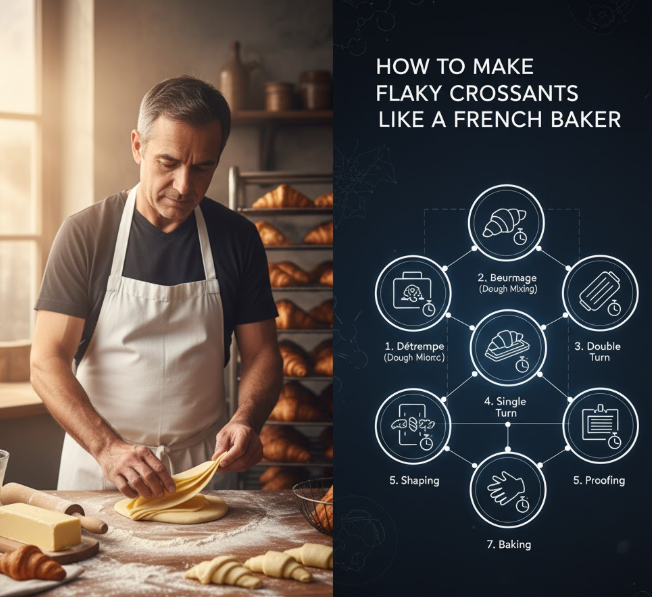
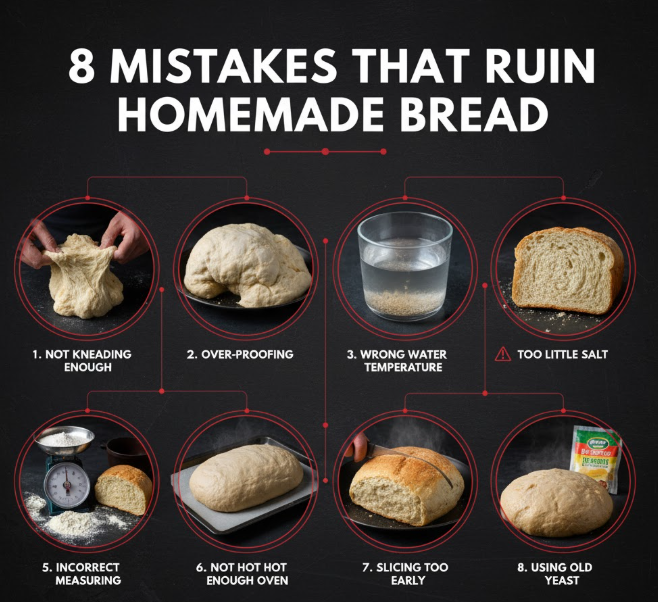
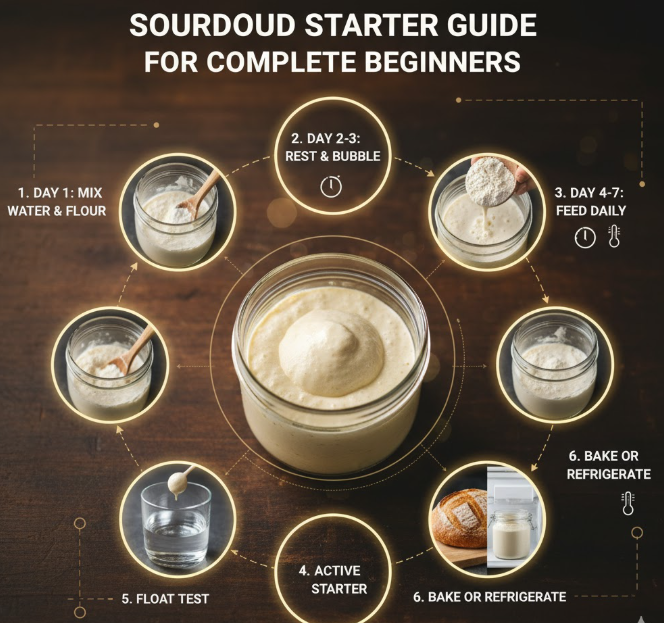






I really like this baking method because every step is simple, clear, and very easy to understand for beginners.
I like this method every step guide one by one everyone totally understand easily.
Nice… It will go a long way to help out